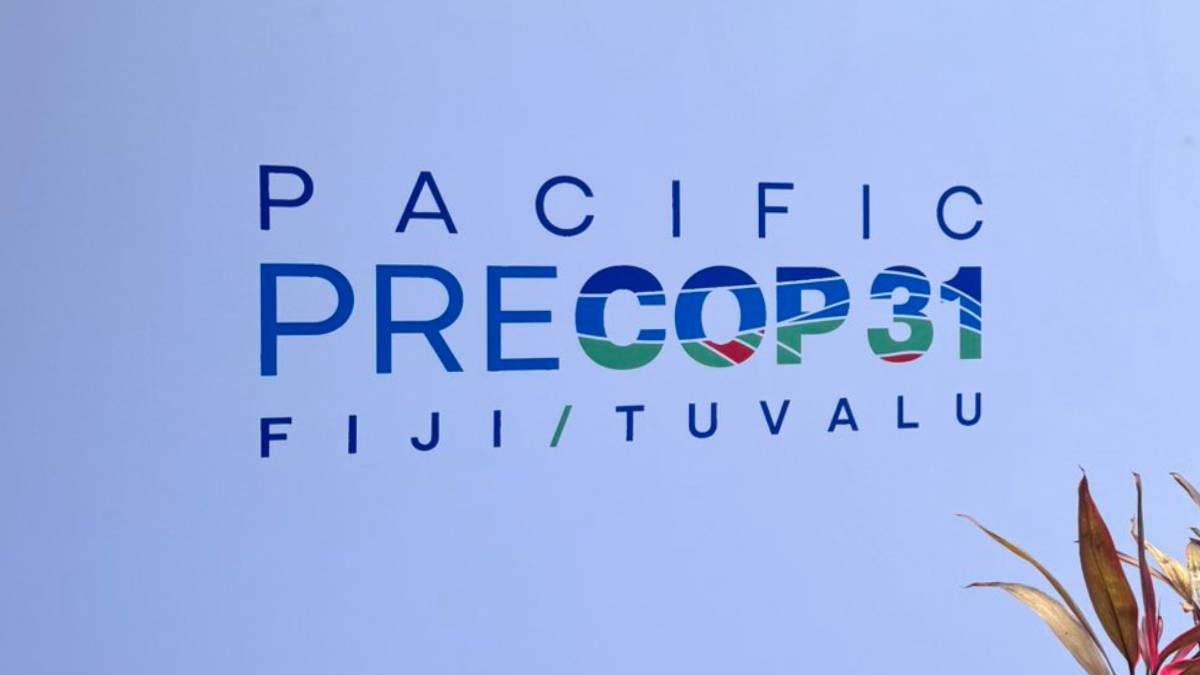
Fiji is putting Pacific priorities and solutions at the centre of global climate discussions as more than 50 countries gather in the country from today for the 2026 Pacific Pre-COP meeting.
Prime Minister Sitiveni Rabuka says we know the science have spoken, our own eyes have seen and he says he knows, doing nothing is no longer neutral, it is a choice.
The Prime Minister is asking the leaders who come to our shores to see, and listen with an open heart to those of us on the front line and to come ready to accelerate and deliver the effort needed to keep our promise, to honour our shared moral and legal obligation to limit global average temperature rise to 1.5 degrees Celsius.
He says every fraction of a degree of human-driven warming moves us beyond the balance set by God's creation and inflicts further harm on homes and villages and livelihoods.
Rabuka is asking world leaders and Ministers to come with the courage to face down the forest-filled addictions and greed that continues to fuel this crisis, for we cannot, in good faith, allow it to unfold and grow any further.
Traditional fishing grounds could be lost if global temperatures overshoot 1.5 degrees “ Dr VareaBy Rashika Kumar 04/10/2026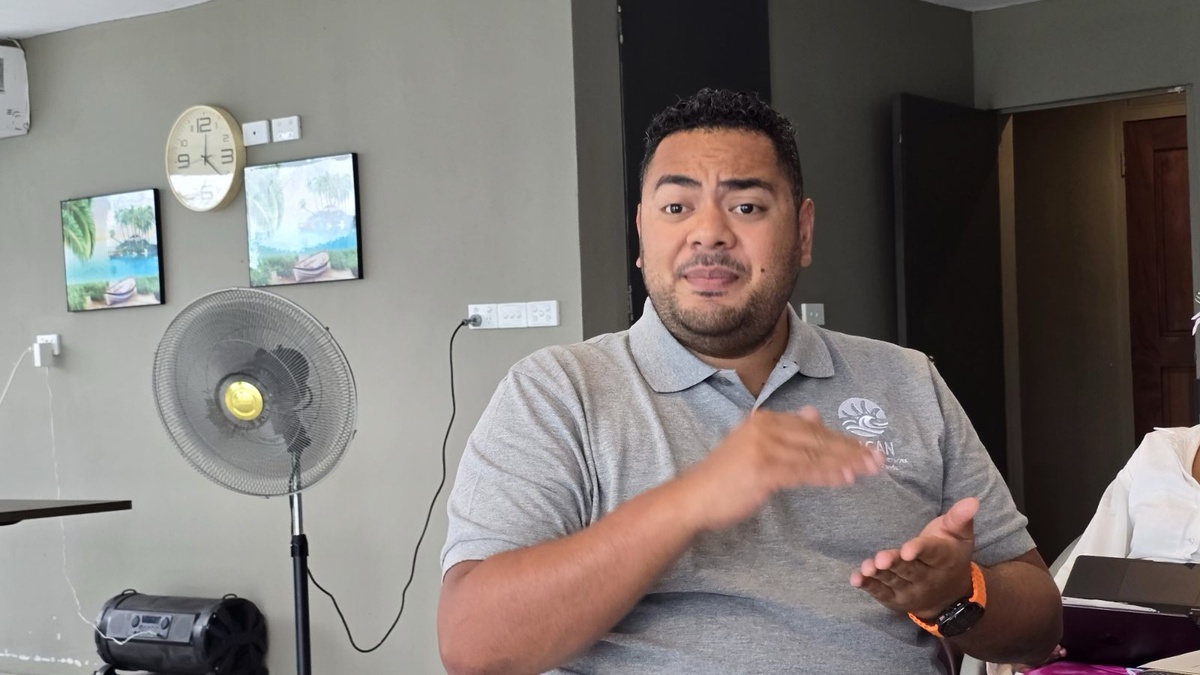 Traditional fishing grounds could be lost if global temperatures overshoot 1.5 degrees Celsius, as fish are forced to move to new feeding grounds, according to Pacific Islands Climate Action Network Director Dr Rufino Varea.
While speaking to fijivillage News, Dr Varea says an overshoot scenario could see customary and traditional fishing grounds lost as fish move to newer feeding grounds.
He says natural cycles would also be disrupted, affecting spawning and breeding seasons, while practices observed and practised by traditional Pacific communities for generations could also be at risk of being lost.
Dr Varea says the Pacific is already experiencing climate change impacts, although the region has not yet reached an overshoot beyond 1.5 degrees Celsius.
He says the current El Niño event is contributing to some of the impacts being experienced, while continued carbon dioxide emissions from countries that produce and use large amounts of fossil fuels are warming the planet.
Dr Varea says oceans and forests can absorb only a limited amount of excess emissions, and emissions are being released at a rate beyond the planet's ability to remain in balance.
He says while an overshoot beyond 1.5 degrees Celsius may be temporary, some of its consequences would be permanent.
Dr Varea says native forests and endemic species could be threatened with extinction when temperatures exceed 1.5 degrees, and returning below the threshold would not bring extinct species back.
He says this is why the Pacific's message has always been 1.5 to stay alive.
Varea says 1.5 degrees Celsius is the threshold the Pacific cannot surpass, with higher temperatures bringing increasingly severe impacts including sea level rise, mass coral bleaching, saltwater intrusion into freshwater supplies and displacement of communities.
He says the Pacific's priorities at pre-COP and COP31 are centred on four thematic pillars.
One of which is keeping 1.5 alive and maintaining it as the primary goal under the Paris Agreement.
Varea says the International Court of Justice advisory opinion on climate change states that all states have an obligation to ensure they keep 1.5 degrees as the primary goal under the Paris Agreement.
The second priority is climate finance, with Dr Varea calling for more simplified and accessible finance to flow into the Pacific so communities can receive the support needed to respond to climate change.
Dr Varea says the Pre-COP31 coming to the Pacific provides an opportunity to bring the stories and lived experiences of frontline communities into international discussions.
He says many Pacific communities do not have the funding to engage directly in the process, making it important that their voices are heard in these spaces.
The Pacific Pre-COP31 starts in Nadi tomorrow and concludes on Friday while COP31 will be held in Antalya, Turkiye next month.
Dramasi women wake up at 2am to collect water as climate change dries up water sourcesBy Rashika Kumar 04/10/2026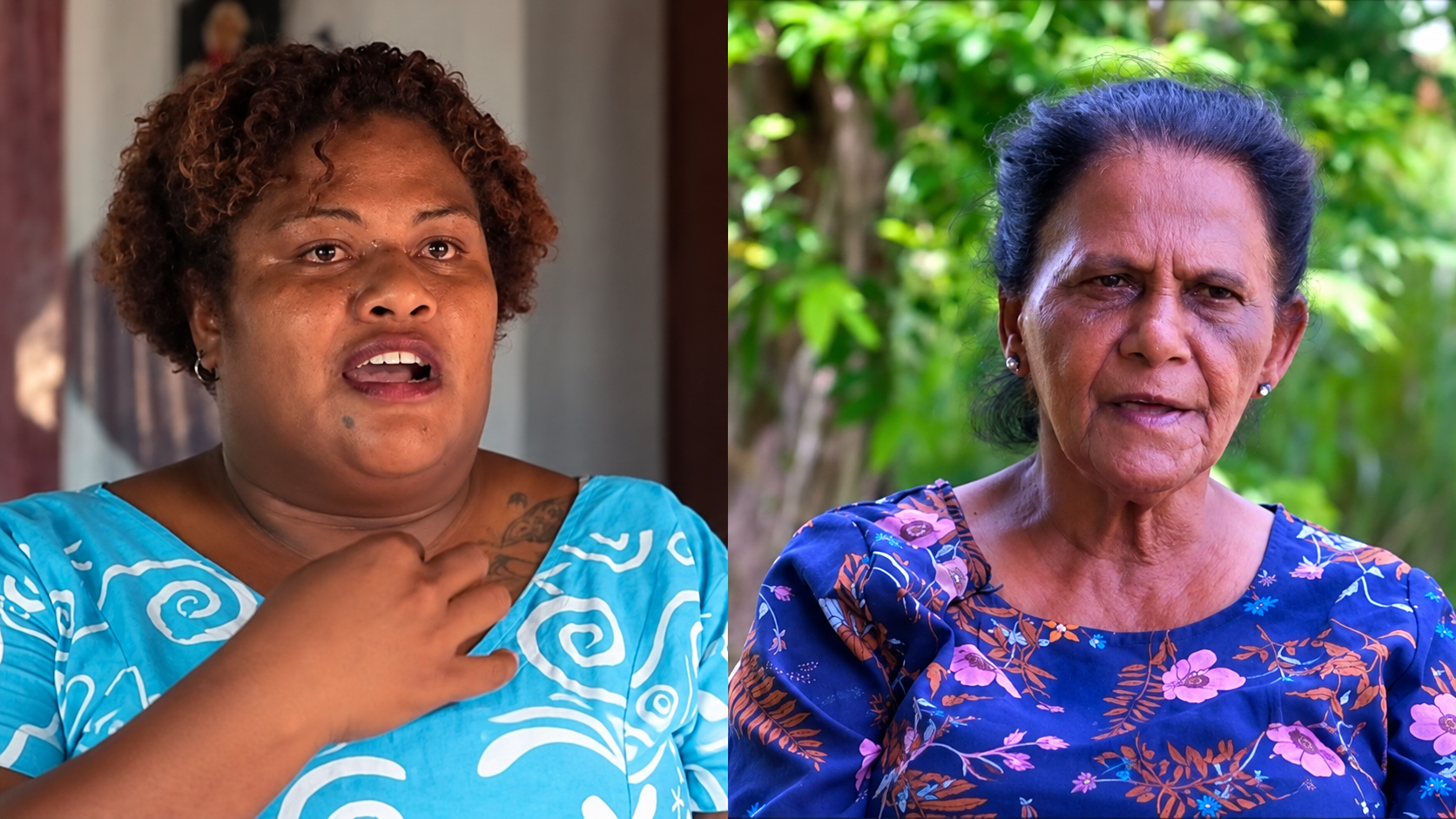 Women in Dramasi, Tavua are waking up as early as 2 or 3 in the morning and climbing over a hill to collect water as climate change continues to dry up water sources in the community.
Pacific Centre for Peacebuilding Executive Director Florence Swamy says the women have to collect water during the night because if they wait until the sun comes up, animals go to the water source and contaminate it.
She says the water source is a river or small creek, but the impact of prolonged dry conditions is clear, with some of the creeks in Dramasi now so dry that they look like roads.
Swamy says women have to carry the water back to their homes, adding to the pressure they already face every day.
She says the women the Centre worked with, aged between about 21 and 65, would start their day at around 4.30 or 5 in the morning by preparing breakfast and lunch for the men before they leave for the farms, gold mines in Vatukoula or odd jobs around Tavua and Ba.
She says the women then prepare their children for school, complete household work, tend to market gardens around their homes and meet their community obligations.
Swamy says their days can continue until around 10.30 or 11 at night, before some women wake again at 2 or 3 in the morning to collect water.
She says the lack of water is affecting hygiene, including how women teach young girls about hygiene, as well as water for daily use and market gardening.
Swamy says this has become a food security issue because women can no longer rely on their gardens to provide food, which can then affect the health and well-being of families.
She says access to the community is also becoming a problem, as roads have not been properly maintained and commercial water suppliers have stopped going to the area because the condition of the roads is damaging their vehicles.
Swamy says one of the women, Urmila Prasad, is also an advisory councillor and is actively raising the concerns of the community with authorities.
She says the Centre has also brought women from Dramasi together with women from nearby Korovou to form a joint multicultural and multi-ethnic network.
Swamy says the network gives the women a platform to collectively raise issues with authorities, including water, which is a concern for both Indo-Fijian and iTaukei women.
She says the women are already demonstrating leadership in their homes, and the network is helping them amplify their needs and take leadership in addressing issues affecting their communities.
Swamy says the challenges in Dramasi are not limited to climate change, as the community is also a sugarcane farming community facing the existing pressures in the sugar industry.
She says young people are also leaving the community to look for work elsewhere, with labour migration bringing additional social problems.
Swamy says older people are increasingly looking after their grandchildren because their parents have left to find work, sometimes for long periods, and in some cases money does not come back.
She says this leaves older people relying on limited social welfare support to care for their grandchildren.
Swamy says the Centre worked with about 16 women from 12 households in Dramasi as part of its Women’s Peacebuilding Leadership Programme and Climate Change and Conflict Programme.
She says the Centre has also worked with women in nearby Korovou, where livelihoods are being affected by the loss of mangroves and declining crab catches.
Swamy says the women in Korovou traditionally relied on crabbing for their livelihoods, but mangroves are being cut down and ecosystems are being destroyed, resulting in fewer crabs.
She says the women are now having to go further into the sea and spend longer periods standing in the water to catch enough crabs to sell.
Swamy says this is affecting their physical health, including their knees, because they are spending longer periods in cold water, while exposure to the sun is also a concern.
She says pollution around the expanding town is another problem, with flooding carrying waste into the mangroves and affecting marine life.
Swamy says the women from the two communities are now working together through their joint network, allowing them to bring different strengths and concerns together and collectively advocate for their communities.
She says the Centre’s advocacy going into the Pacific Pre-COP31 discussions is that climate change must be viewed beyond its physical effects and the infrastructure required to respond to it.
Swamy says the impacts on communities must also be considered as a human security and conflict prevention issue because as resources become scarce, competition and tensions can increase.
She says communities must have access to climate financing so they can build resilience, rather than climate financing being directed only towards solutions after problems occur.
Swamy says it is important that the experiences and needs of communities such as Dramasi and Korovou are reflected in discussions on climate change and climate financing.
Questions have been sent to the Water Authority of Fiji regarding the water situation in Dramasi.
Negotiators from about 36 countries are convening in Nadi from tomorrow until Friday for Pre-COP31 to discuss key issues ahead of COP31.
The Pacific Pre-COP31 discussions will focus on four key pillars including keeping 1.5°C within reach, enhancing access to climate finance, elevating the ocean-climate nexus, and amplifying Pacific voices and leadership.
Praising resilience while expanding fossil fuels is an excuse for inaction“ Archbishop ChongBy Rashika Kumar 04/10/2026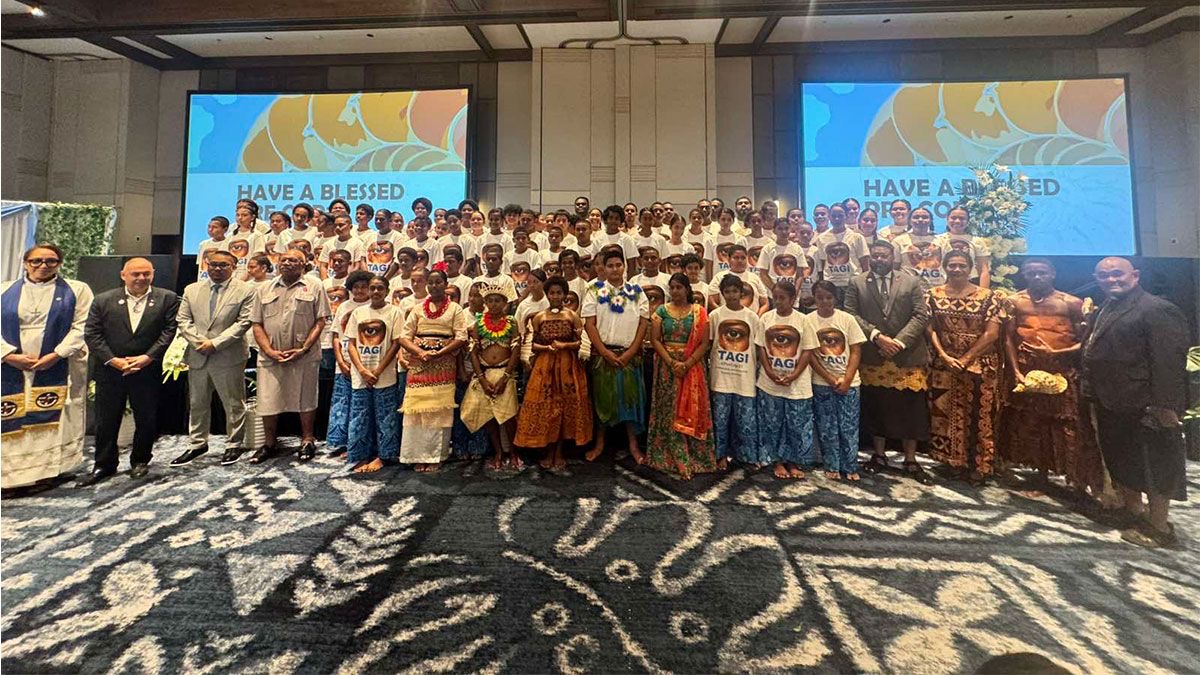 Praising Pacific Islanders for being strong and resilient while continuing to expand fossil fuels becomes a moral excuse for inaction, delaying climate finance and leaving Pacific communities to bear the consequences of an atmospheric crisis they did not cause.
This has been highlighted by the Head of the Catholic Church in Fiji Archbishop Peter Loy Chong while delivering a reflection during the Ecumenical and Inter-Faith Sunday Service at the Crowne Plaza Hotel in Nadi ahead of Pre-COP31, which begins tomorrow.
He says Pacific Islanders have for too long been praised for their resilience while the expansion of fossil fuels continues.
Archbishop Chong says resilience is no longer enough and the world must acknowledge the vulnerability and suffering of Pacific communities.
He says the theology of vulnerability demands that diplomatic and polite language is stripped away and the world honestly acknowledges the grave moral wound at the centre of the climate crisis.
He says Pacific communities are hurting, their land is dry and their suffering is profoundly unjust.
Archbishop Chong says global leaders and polluting industries should not stand at the foot of Pacific communities’ suffering and admire how bravely they carry the burden of climate change.
He stresses it is a sin before the Creator for wealthy nations and extractive industries to applaud the sacrifice of Pacific communities while granting new drilling licences, burning more coal and offering empty pledges.
Archbishop Chong says true ecological conversion demands that repentance be matched by restitution and justice.
He demands uncompromising and radical reductions in emissions, full accountability for loss and damage, direct, grant-based climate finance, not loans and subsidiarity and inclusive governance, so people who are victims of climate change are invited into important climate meetings.
He adds the world must turn grief into justice, vulnerability into solidarity and collective will into the salvation of the common home.
Negotiators from about 36 countries are convening in Nadi from tomorrow until Friday for Pre-COP31 to discuss key issues ahead of COP31.
The Pacific Pre-COP31 discussions will focus on four key pillars including keeping 1.5°C within reach, enhancing access to climate finance, elevating the ocean-climate nexus, and amplifying Pacific voices and leadership.
Doing nothing on climate change is a choice - RabukaBy Rashika Kumar 05/10/2026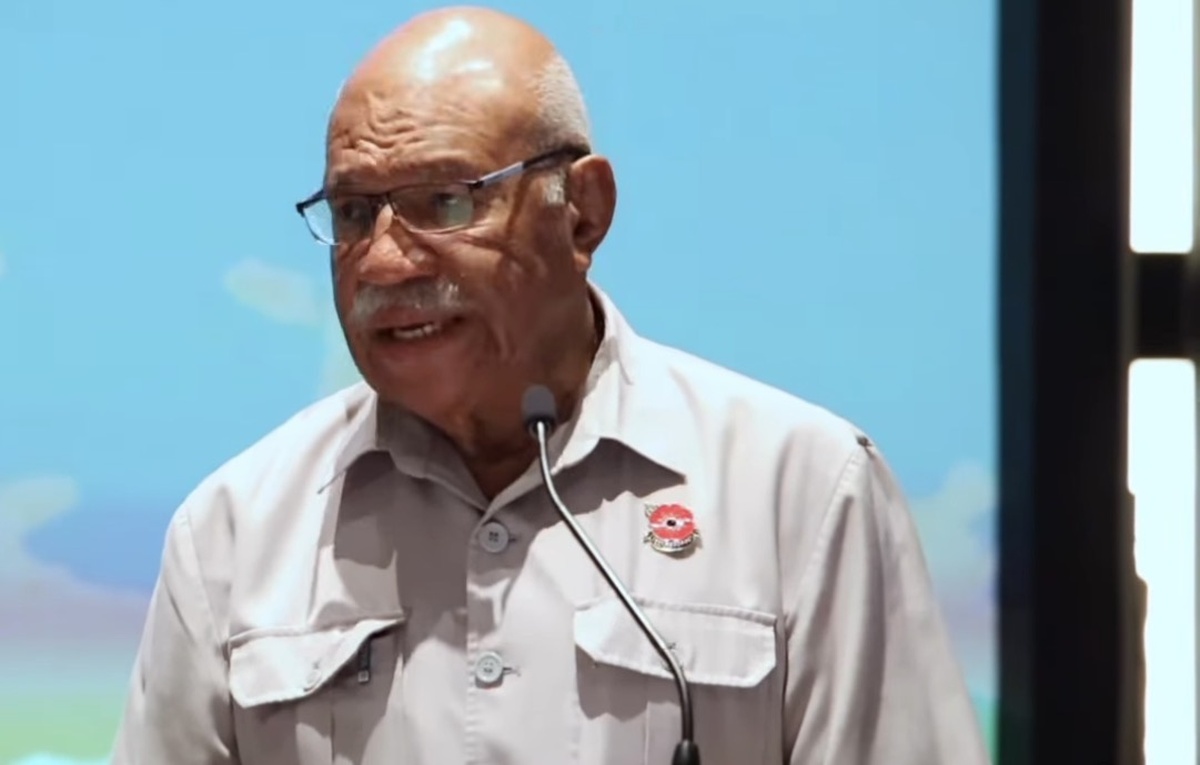 As Ministers and world leaders from more than 50 countries gather in Nadi for Pacific Pre-COP31 from today, Prime Minister Sitiveni Rabuka says we know the science have spoken, our own eyes have seen and he says he knows, doing nothing is no longer neutral, it is a choice.
While speaking during the Ecumenical and Inter-Faith Sunday Service at the Crowne Plaza Hotel in Nadi, Rabuka says climate change is not only a scientific problem or an economic one, it is a moral one.
While highlighting scriptures from the book of Leviticus, he says the earth is not ours to exhaust, adding it says no one should carry a burden forever, and it says, there comes a time to set things right.
Rabuka stresses we carry a burden that we did not create.
He says our elders never separated land from sea or people from their place of Vanua.
Rabuka says the Vanua is one living whole and what wounds one part, wounds all of it.
He says when the tide reaches our homes, when the reef our grandmothers knew grows pale, when a village must pack up and move to higher ground, that is not a statistic, it is a family, it is a sacred trust being broken.
The Prime Minister is asking the leaders who come to our shores to see, and listen with an open heart to those of us on the front line and to come ready to accelerate and deliver the effort needed to keep our promise, to honour our shared moral and legal obligation to limit global average temperature rise to 1.5 degrees Celsius.
He says every fraction of a degree of human-driven warming moves us beyond the balance set by God's creation and inflicts further harm on homes and villages and livelihoods.
Rabuka is asking world leaders and Ministers to come with the courage to face down the forest-filled addictions and greed that continues to fuel this crisis, for we cannot, in good faith, allow it to unfold and grow any further.
Rabuka says Fiji and Pacific leaders will be clear over the coming days that in addition to addressing the core drivers of the climate crisis, action must be taken to tackle the impacts we already face.
He says leaders and Pacific negotiators alike will deliver a clear message on the need for finance to reach the communities who need it, not someday, but now, as an act of justice, not charity.
Ministers, leaders and negotiators from more that 50 countries are convening in Nadi from today until Friday for Pre-COP31 to discuss key issues and their agenda for COP31.
The Pacific Pre-COP31 discussions will focus on four key pillars including keeping 1.5°C within reach, enhancing access to climate finance, elevating the ocean-climate nexus, and amplifying Pacific voices and leadership.
Pacific priorities take centre stage as Pre-COP31 beginsBy Priya Nand 05/10/2026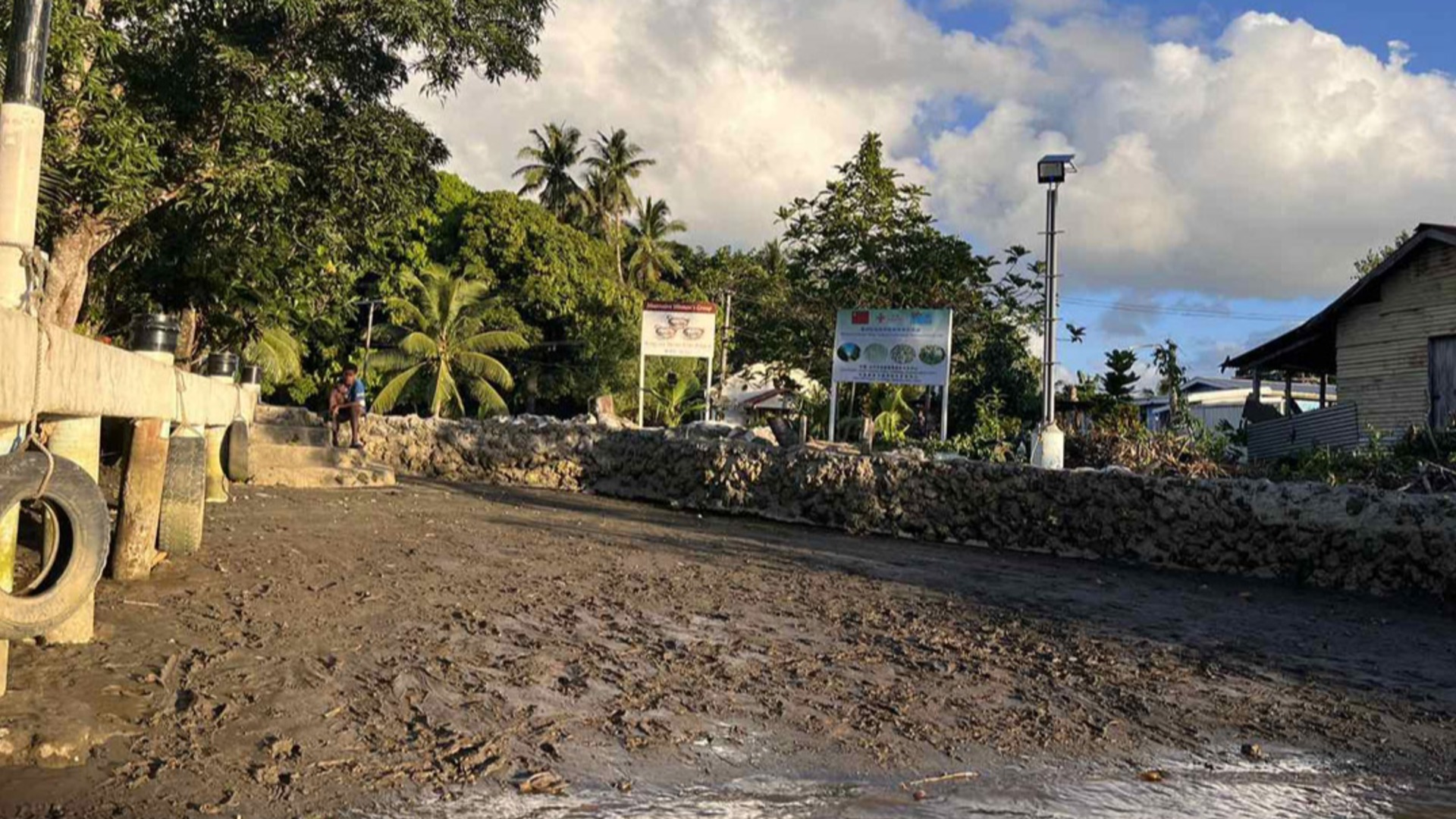 Fiji is putting Pacific priorities and solutions at the centre of global climate discussions as more than 50 countries gather in the country from today for the 2026 Pacific Pre-COP meeting.
Minister for Information, Environment and Climate Change Lynda Tabuya says the Pacific’s influence on global climate action has always been greater than its size.
Tabuya says Pre-COP will help turn climate commitments into practical action, including securing greater investment in blue economy solutions to protect the oceans.
She says renewable energy strengthens resilience, reduces fuel costs and supports sustainable development across the region.
Pre-COP is being co-hosted by Fiji and Australia from today until Thursday, while a special Leaders’ event will take place in Tuvalu from today to tomorrow.
The meeting is the last major Ministerial meeting before COP31 in Antalya, Türkiye.
Keeping the 1.5 degrees Celsius target within reach, accelerating the clean energy transition, safeguarding the ocean and unlocking finance for vulnerable countries will be key areas of discussion.
The meeting comes as climate-related disasters including glacier collapse, heatwaves and tropical storms continue to affect millions of people around the world.
The organisers say collective action has already brought projected global warming down from four degrees Celsius to 2.6 degrees, following the Paris Agreement in 2015.
International Energy Agency figures show renewables now account for more than 34 percent of electricity generation worldwide, compared with 23 percent in 2015.
Renewables are also now the cheapest form of energy generation globally and the fastest to deploy, with twice as much renewable capacity forecast to be installed from 2025 to 2030 compared with 2019 to 2024.
Fiji will also host the Vale ni Vanua Knowledge Exchange programme, highlighting youth climate leadership, the latest climate science and solutions to climate impacts in maternal health, the ocean and agriculture.
Meanwhile, Tuvalu’s Minister for Climate Change and the Environment, Dr Maina Vakafua Talia says the Leaders’ event will bring global decision-makers to the frontlines of climate change and show the impacts faced by communities.
He says Tuvalu is a low-lying atoll nation, with an average height of just two metres above sea level, and decisions made at Pre-COP and COP31 will be felt by its communities first.
Australian Minister for Climate Change and Energy Chris Bowen says the Pacific is at the frontline of the climate crisis, where the effects of climate change are real and immediate.
Bowen says hosting Pre-COP in the Pacific is bringing global attention to the impacts, opportunities and priorities of the region.
COP31 President and Türkiye’s Minister for Environment, Urbanization and Climate Change Murat Kurum says promises do not hold back the sea or shield homes from fire, and only delivery can save people.
Kurum says the COP31 Presidency has an action plan covering electrification, zero waste, resilient cities and oceans, all supported by finance.
He says the aim is to have the world arrive in Antalya ready to deliver results.
Over the four days, leaders and delegates will take part in sessions and bilateral meetings focused on climate action, clean energy, investment and resilience.
Pacific must be at centre of global climate decision-making – TabuyaBy Rashika Kumar 05/10/2026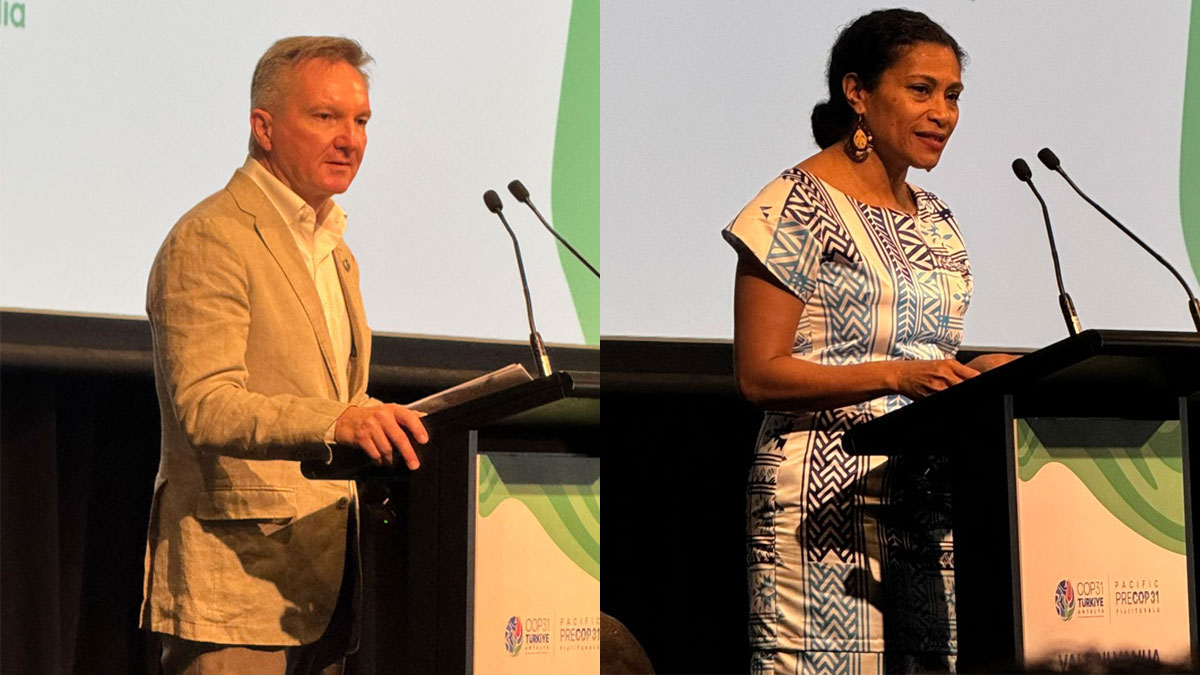 Climate decisions are only as strong as the voices that shape them.
This has been highlighted by Minister for Environment Lynda Tabuya while opening the Pacific Pre-COP31 at Sofitel Resort, where she has stressed that we have to be present to be heard.
The Minister is appealing to COP President and co-chair to join Fiji and the Pacific as they lobby to get the oceans on the climate agenda.
Tabuya stresses that the Pacific must continue to fight to protect Na Moana, the ocean.
She is urging people to tell the leaders plainly what further warming would mean for their communities, and show them where finance is failing, and where it is working.
Australia’s Minister for Climate Change and Energy Chris Bowen says the leaders must use COP31 to elevate the views and the experiences of the Pacific in the COP processes, which have not been heard strongly enough in the past.
He says no one is more important in that process than the Pacific.
Bowen stresses that the Pacific, which has done so little to cause climate change, and has so much at stake in combating climate change.
The Australian Minister says there are four nations in the world that, on a sober reading of the projections, face the very real risk of being submerged and 3 of them are here in the Pacific.
Bowen says 34 leaders, influential people, presidents of multilateral development banks, will be going to Tuvalu tomorrow to lift the profile of these issues on the world stage.
He says the fact that some of the nations that need climate finance for adaptation the most are those who struggle to get it the hardest and the fact that oceans, which are so important in terms of the potential outcomes, the potential mitigation, but also the impacts, have not featured so strongly in public negotiations in years past.
He says that Fiji is again calling on the world to match ambition with delivery.
Bowen says Australia is a proud member of the Pacific family and shares the region, ocean and future with Pacific countries.
He says the work being done at Pre-COP31 is important as countries seek to build consensus across more than 190 parties ahead of COP31 in Antalya.
Bowen says Australia will leave no stone unturned to ensure the Pacific’s voices are heard and that COP31 delivers meaningful progress.
He says the COP must focus on implementation and acceleration, including delivering on renewable energy and energy efficiency commitments.
Bowen says he is confident COP31 will be remembered as a meeting where the world took a forward step and recognised that multilateralism matters more than ever.
He says it should also be remembered as a COP where a region that has not had its voices heard strongly enough, like the Pacific, has its voices heard by the end of the conference.
Ministers, leaders and negotiators from more that 50 countries are convening in Nadi from today until Friday for Pre-COP31 to discuss key issues and their agenda for COP31.
Hosted by Australia in Fiji and Tuvalu, the Pacific Pre-COP31 discussions will focus on four key pillars including keeping 1.5°C within reach, enhancing access to climate finance, elevating the ocean-climate nexus, and amplifying Pacific voices and leadership.
Remote and maritime schools to receive solar power with AUD$1M assistanceBy Rashika Kumar 05/10/2026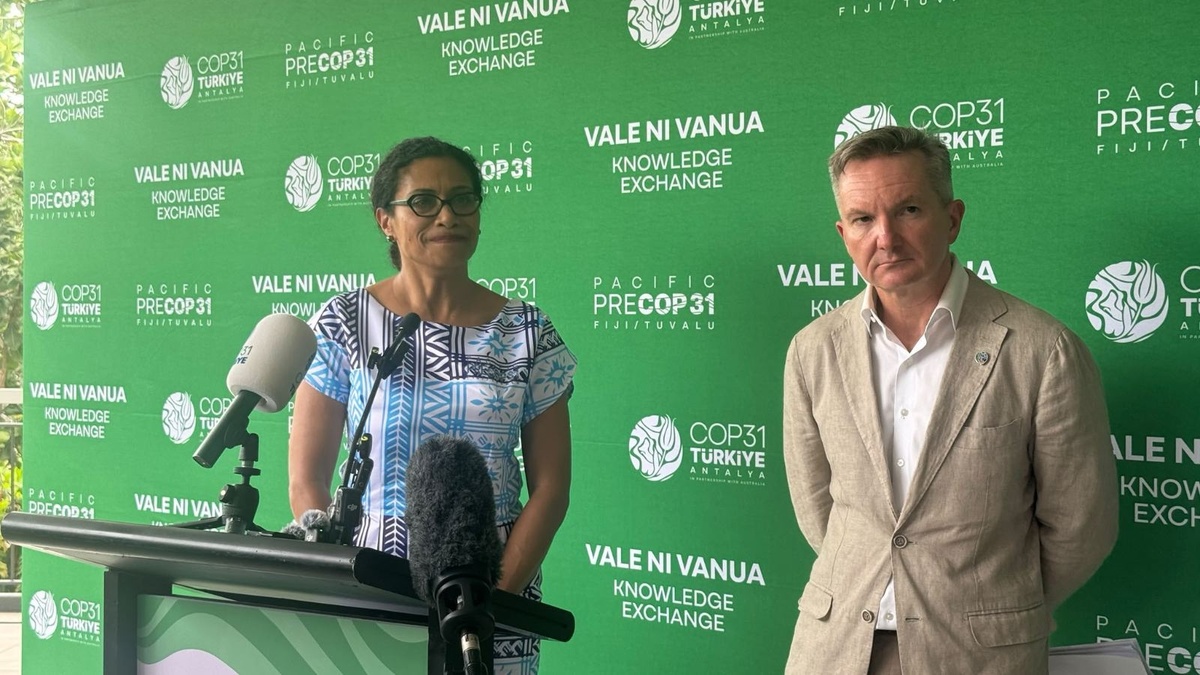 Schools in remote and maritime areas are expected to be equipped with solar energy as Australia has announced AUD$1 million for the It's Time Foundation to work with the Fiji's Ministry of Education.
This has been announced by Australian Minister for Climate Change and Energy Chris Bowen while speaking during a press conference with Minister for Environment Lynda Tabuya during Pacific COP31 at Sofitel Resort in Denarau.
Bowen says this is the sort of practical action that Australia takes to help the Pacific transition away from fossil fuels.
While responding to a question by fijivillage News on what assurance can Fiji and the Pacific get that our voices will be heard during COP31 negotiations as Australia remains a coal and gas exporter, Bowen says the way to transition away from fossil fuels is to build more renewable energy, to replace the need for fossil fuel and that is what they are doing in Australia.
Bowen says Australia's increased use of home batteries has reduced gas demand, while the country is building renewable energy capacity to replace coal-fired power.
He says Australia, despite accounting for only 1 percent of global emissions, can work with other countries to address the remaining 99 percent and support a transition away from fossil fuels by tackling both demand and supply.
Meanwhile, in response to Australian media questioning Bowen on Australian taxpayers money, Tabuya says the Pacific is grateful for Australia's support and for helping Fiji and Tuvalu host Pre-COP31.
She says Pacific countries may disagree with Australia on some issues, but it is important to find common ground and agree on action going into COP31.
Bowen has reassured that Pacific Climate Ministers will meet with him every day during COP31 to be updated on negotiations, obstacles and challenges and to discuss the way forward.
He says Pacific Ministers will be part of the process and will not be called into discussions only after agreements have already been reached.
Bowen says he cannot guarantee that the COP31 decision will reflect everything Pacific Ministers want, as negotiations involve around 190 countries and require consensus.
He says the process will require goodwill, flexibility and pragmatism, but the Pacific will be more at the table than it has been at a COP before.
Tabuya adds the Pacific is grateful for Australia's commitment to renewable energy.
She says many Pacific communities are not connected to the electricity grid and have an opportunity to move directly to renewable energy rather than relying on fossil fuels.
Tabuya says Fiji is calling on Australia and the international community to support the Pacific through climate finance and projects that will enable a just transition away from fossil fuels.
She says developed countries must commit to reducing greenhouse gas emissions and support countries that are most affected by climate change.
Pre-COP continues throughout the week, with more than 35 Ministers, leaders and other delegates going to Tuvalu tomorrow, with discussions resuming in Fiji from Wednesday until Friday.
Pacific women face loss, displacement and deepening poverty due to climate change - NabulivouBy Rashika Kumar 05/10/2026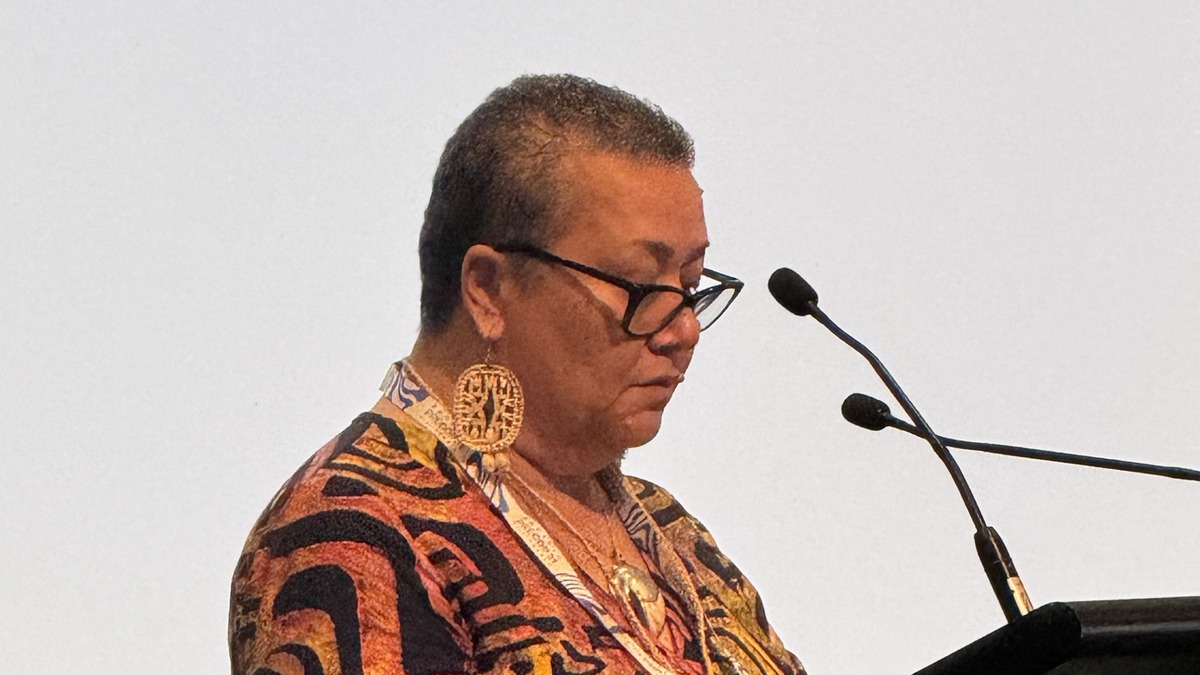 Pacific women and girls are facing loss and damage, displacement, gender-based violence and deepening poverty as the impacts of climate change intensify.
This has been highlighted by Diva for Equality Director Noelene Nabulivou during the Pacific Pre-COP31 Opening Plenary Session at Sofitel Resort in Denarau.
Nabulivou says Pacific women and communities are experiencing irreversible impacts on indigenous land, waterways and food systems, while climate change is also contributing to forced displacement and heightened gender-based violence.
She says women are also confronting patriarchal and ecocidal forces that exploit communities, the environment and the ocean.
Nabulivou says Pacific women are calling for urgent climate action, including a just phase-out of fossil fuels, climate finance based on the 1.5-degree Celsius target and stronger gender-responsive climate policies.
She says compromising on the 1.5-degree Celsius threshold could have devastating consequences for frontline Pacific communities.
Nabulivou says women and gender-diverse people must be placed at the centre of climate decision-making as governments work towards COP31.
Ministers, leaders and negotiators from more that 50 countries are convening in Nadi from today until Friday for Pre-COP31 to discuss key issues and their agenda for COP31.
Hosted by Australia in Fiji and Tuvalu, the Pacific Pre-COP31 discussions focuses on four key pillars including keeping 1.5°C within reach, enhancing access to climate finance, elevating the ocean-climate nexus, and amplifying Pacific voices and leadership.
Pacific can now demand climate action as a legal obligation – ShaheedBy Rashika Kumar 06/10/2026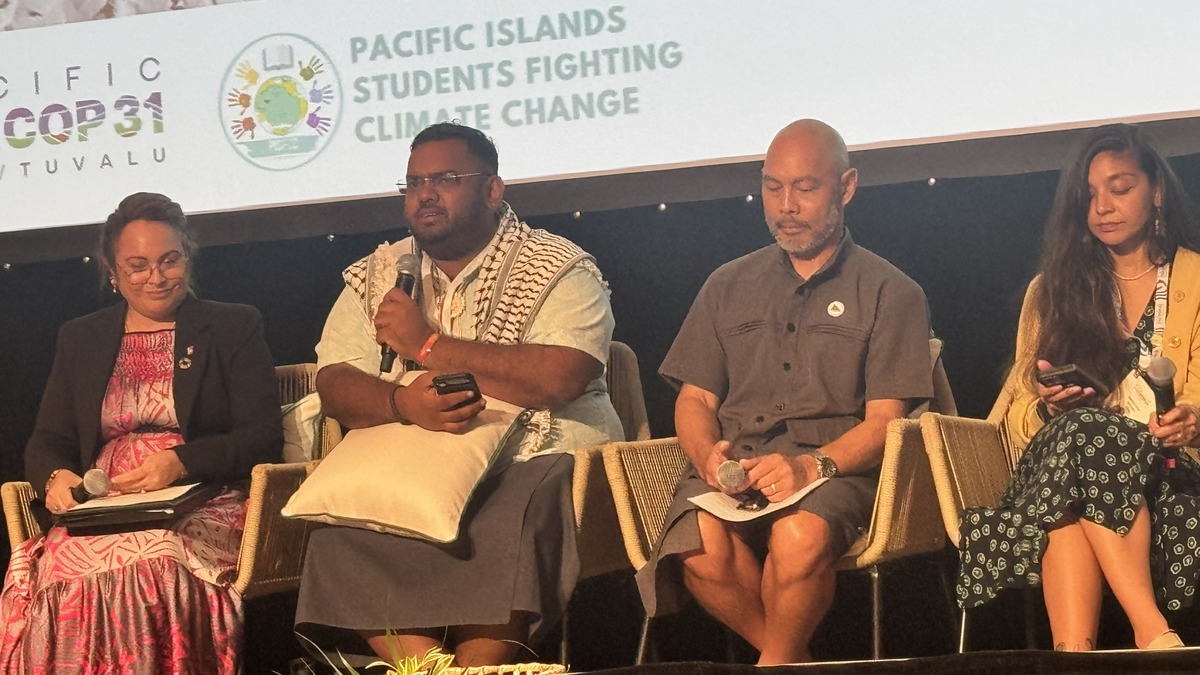 The Pacific can now approach climate negotiations from a stronger position by demanding climate action as a legal obligation rather than simply asking for assistance.
This has been highlighted by Pacific Islands Students Fighting Climate Change Engagement and Outreach Lead Abdul Mufeez Shaheed during a panel discussion on the sidelines of the Pacific Pre-COP31 in Nadi.
Shaheed says the International Court of Justice advisory opinion has given the Pacific greater legal clarity and a stronger position in climate negotiations.
He says they go into COP, they go into negotiations with a much stronger position, where they no longer talk about losing their home if nothing happens but can now say that they are required by law to do this.
Shaheed says climate change is not simply a political issue for Pacific communities, but an issue affecting human rights, livelihoods, culture, homes and future generations.
He says the ICJ has clarified that states have a duty to prevent significant harm to the climate system and that where states fail to act, there must be a remedy.
Shaheed says the next step is to ensure climate harm experienced by communities is properly documented.
He says the impacts of climate change are often felt most by women, girls, young people and marginalised communities, and these experiences need to form part of how climate harm is assessed.
He stresses our stories are not decorations for a panel but are evidence.
Shaheed says every nationally determined contribution, national adaptation plan and climate law in the Pacific should be tested against the ICJ advisory opinion.
He says young people should be involved as co-authors in developing these policies rather than being brought in only for consultation.
Shaheed says the focus must now be on ensuring the legal clarity provided by the ICJ reaches communities.
Nawajikuma families face repeated flooding, call for better drainage and river protectionBy Rashika Kumar 07/10/2026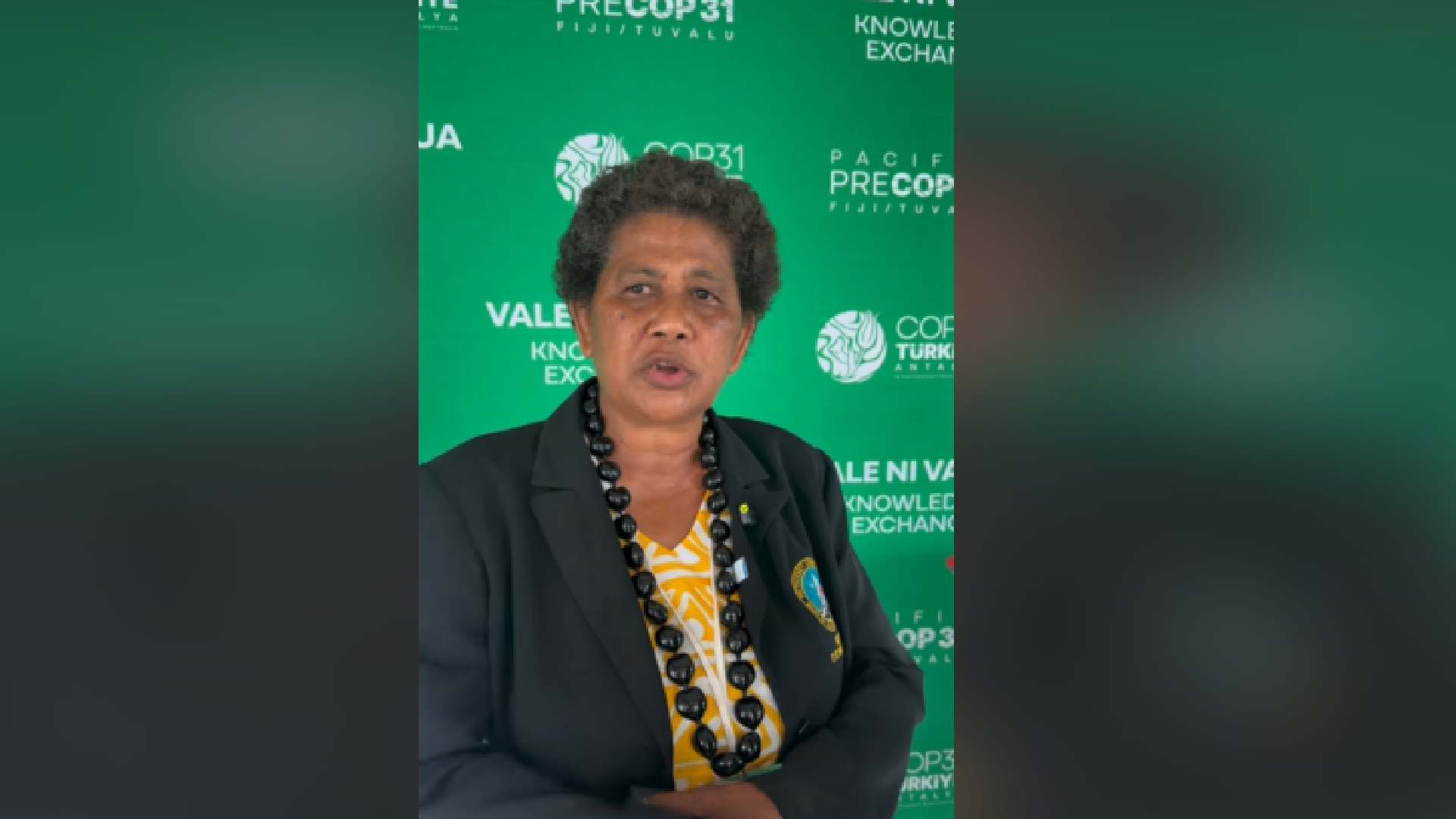 Families in Nawajikuma Settlement in Nadi continue to face flooding caused by poor drainage, rising river levels and soil erosion, with residents having to move to an evacuation centre when water level rises.
64-year-old Vasiti Vosawale Lesavua, who lives in Nawajikuma Settlement near Nawaka, says flooding has become a major challenge for the densely populated settlement, which is home to about 100 families or about 400 to 500 people.
Lesavua says the settlement is easily affected by floods because of poor drainage, while the Nadi River and Nawaka River also contribute to flooding during natural disasters.
She says the development of the back road has also contributed to the flooding, while water from the Nawaka River can come from behind the settlement without residents realising it is rising.
Lesavua says residents often focus on the Nadi River, but flooding from the Nawaka River can come with great force and cause significant damage.
She says when the river level starts rising or there is heavy rain, she tells her children to collect what they need in their school bags, along with food and containers to collect water.
Lesavua says residents usually move to Saint Andrews Primary School, which serves as an evacuation centre.
She says the situation becomes particularly dangerous at night when residents have to cross the main Nadi Back Road to reach the evacuation centre.
Lesavua says there was an incident when the water level was so high that residents could not cross the road, forcing people to cling to a rope placed across the road to reach the other side.
She says it is very risky because residents cannot carry their belongings when the water level is high.
Lesavua says flooding usually occurs during the cyclone season from November to April or when there is heavy rain, and it can happen about twice a year depending on rainfall.
She says climate change is also contributing to the problem, with soil erosion causing the river to become wider and the river banks to become lower.
Lesavua says trees along the river banks have also been cut down, while bamboo that once helped protect the banks has been washed away.
She says heavier rainfall then contributes to further erosion, landslides and flooding, allowing water to enter the settlement.
She says many residents have limited financial capacity, with most people earning only enough to meet their daily subsistence needs.
Lesavua says this makes it difficult for families to save enough money to raise their houses and foundations to protect themselves from flooding.
Speaking to fijivillage during Pre-COP31, Lesavua says she wants leaders and ministers to understand the challenges faced by communities such as Nawajikuma and provide support.
She is calling for a better drainage system as the settlement has two rivers and a drain running between them.
Lesavua is also calling for some form of man-made river bank or a wall along the back river to help prevent soil erosion and reduce flooding.
She says there are many organisations willing to assist, but they first need to know about the challenges communities are facing.
Lesavua says raising the issue at Pre-COP31 could help bring attention and support to Nawajikuma.
She says participating in Pre-COP31 has been an eye-opener for her and she is thankful to the Pacific Centre for Peacebuilding for allowing her to participate.
Fiji commits US$10M to Pacific Resilience FacilityBy Rashika Kumar 07/10/2026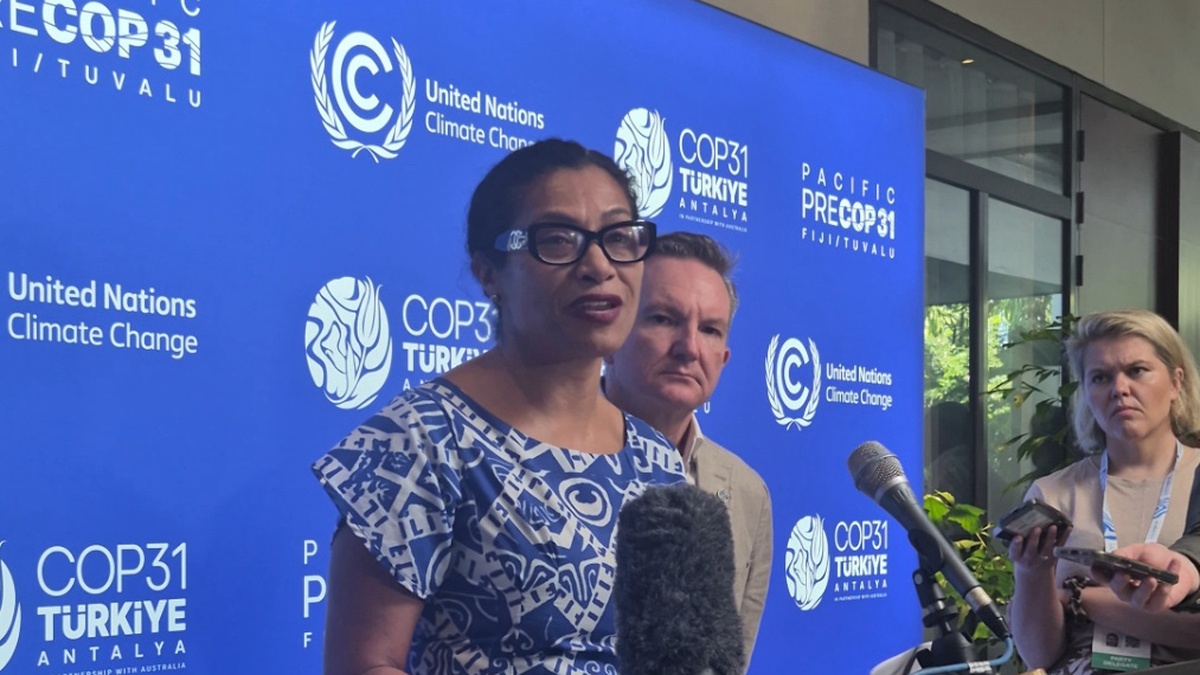
Fiji has committed US$10 million to the Pacific Resilience Facility, strengthening its contribution to a regional fund aimed at helping Pacific countries respond to the impacts of climate change.
This has been announced by Prime Minister Sitiveni Rabuka during the Pacific Pre-COP in Nadi.
He confirmed the amount will be facilitated over a 5-year period.
Australian Climate Change and Energy Minister Chris Bowen welcomed the contribution, saying the Pacific Resilience Facility is designed by the Pacific for the Pacific.
Bowen also announced a AUS$3 million contribution to the Climate Infrastructure for Resilient Coastlines and Riverbanks project, which will support climate-resilient infrastructure in Fiji, Papua New Guinea, Kiribati and Tuvalu.
Minister for Environment and Climate Change Lynda Tabuya says Fiji’s contribution demonstrates that Pacific countries are not simply asking the international community for assistance, but are also investing in their own resilience.
Tabuya says Fiji is committed to helping itself while calling on global partners to invest in the Pacific Resilience Facility.
The facility has a target of US$500 million.
Tabuya says the Pacific is united in taking its priorities to COP31, including keeping global warming within the 1.5 degrees Celsius limit.
She says the impacts of climate change are already being experienced across the Pacific, including through sea level rise, coastal erosion and damage to infrastructure.
Tabuya says Fiji’s US$10 million commitment is part of the Pacific’s effort to build its own resilience while encouraging greater international support.
Bowen says the Pacific Resilience Facility is being built step by step through contributions from countries around the world.
He says Australia’s additional $3 million commitment will support four projects, including upgrades to the Kings Road and Queens Road in Fiji.
Tabuya says some coastal roads in Fiji will need to be repaired, while others may eventually need to be relocated because of climate impacts.
She says Fiji will also need to contribute from its own national budget towards relocation and other resilience work.
The Pacific Pre-COP is continuing in Nadi ahead of COP31 in Türkiye next month.
Fiji has committed US$10 million to the Pacific Resilience Facility, strengthening its contribution to a regional fund aimed at helping Pacific countries respond to the impacts of climate change.
This has been announced by Prime Minister Sitiveni Rabuka during the Pacific Pre-COP in Nadi.
He confirmed the amount will be facilitated over a 5-year period.
Australian Climate Change and Energy Minister Chris Bowen welcomed the contribution, saying the Pacific Resilience Facility is designed by the Pacific for the Pacific.
Bowen also announced a AUS$3 million contribution to the Climate Infrastructure for Resilient Coastlines and Riverbanks project, which will support climate-resilient infrastructure in Fiji, Papua New Guinea, Kiribati and Tuvalu.
Minister for Environment and Climate Change Lynda Tabuya says Fiji’s contribution demonstrates that Pacific countries are not simply asking the international community for assistance, but are also investing in their own resilience.
Tabuya says Fiji is committed to helping itself while calling on global partners to invest in the Pacific Resilience Facility.
The facility has a target of US$500 million.
Tabuya says the Pacific is united in taking its priorities to COP31, including keeping global warming within the 1.5 degrees Celsius limit.
She says the impacts of climate change are already being experienced across the Pacific, including through sea level rise, coastal erosion and damage to infrastructure.
Tabuya says Fiji’s US$10 million commitment is part of the Pacific’s effort to build its own resilience while encouraging greater international support.
Bowen says the Pacific Resilience Facility is being built step by step through contributions from countries around the world.
He says Australia’s additional $3 million commitment will support four projects, including upgrades to the Kings Road and Queens Road in Fiji.
Tabuya says some coastal roads in Fiji will need to be repaired, while others may eventually need to be relocated because of climate impacts.
She says Fiji will also need to contribute from its own national budget towards relocation and other resilience work.
The Pacific Pre-COP is continuing in Nadi ahead of COP31 in Türkiye next month.