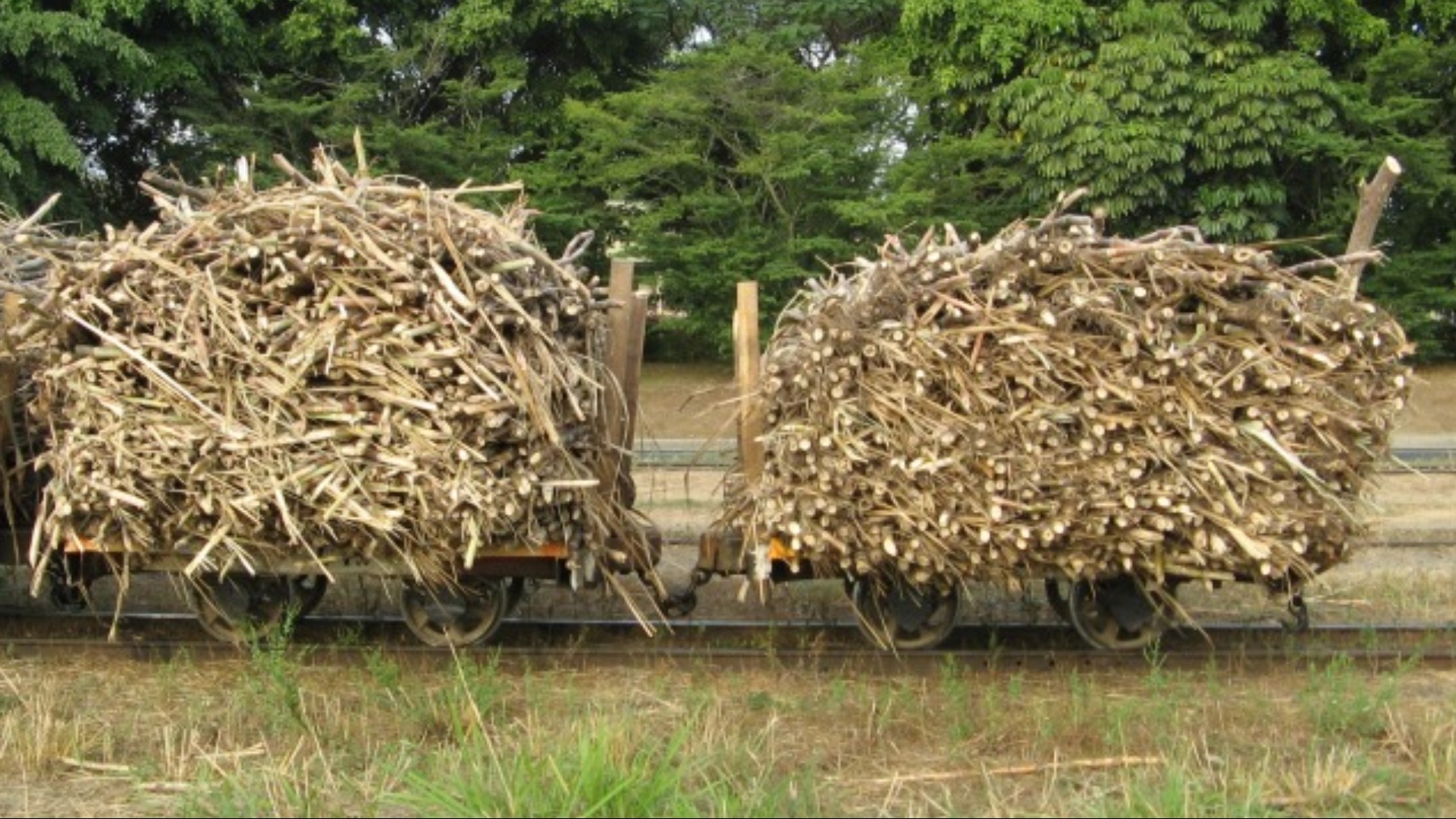
The Sugar Cane Growers Council and the National Farmers Union are strongly opposing Fiji Sugar Corporation's proposal to discontinue tramline operations for both Rarawai Mill (Tavua District) and Lautoka Mill, effective from the 2026 crushing season.
The matter is now before the Sugar Industry Tribunal.
The Council says they understand that this matter is of serious concern to many growers, particularly those whose farms have historically depended on tramline access for cane delivery.
They say tramlines have been part of the cane transport system for generations and continue to provide an important service, especially for growers in areas where road access, lorry availability, fuel costs, and distance to mill remain major challenges.
The Council says any decision to close tramlines must not be made purely from an operational or cost saving perspective.
They stress it must be assessed from the grower’s perspective as well.
The Council says for growers, the question is not simply whether tramlines are convenient or inconvenient.
They say the real question is what happens after the tramline is closed, who carries the additional cost, and whether the alternative system is practical and affordable.
The Council says if tramlines are discontinued, affected rail growers will be forced to rely entirely on lorry transport.
They say this will increase cartage costs, create pressure on already limited transport capacity, and place further burden on growers at a time when fuel prices, harvesting costs, mechanical harvesting charges, and general farm expenses are already rising.
They are particularly concerned that growers in remote, marginal, and tramline dependent areas will be disadvantaged the most with additional burden on transport cost.
The Council says these growers would face longer delivery distances, higher transport charges, delays in harvesting, and uncertainty during peak crushing periods and such risks cannot be ignored, especially when fuel price is on increasing trend.
The Council is calling for proper consideration of pertinent issues suggesting a full cost benefit analysis showing the true financial impact on growers, FSC, lorry operators, and the wider industry.
They call for protection against cost transfer to growers, particularly where growers have no practical alternative but to use more expensive transport.
They also call for proper consultation with affected growers, especially those in Rarawai and Lautoka mill areas who will be directly impacted.
The Council says the possibility of strengthening tramline use for carting billet cane by utilizing cage bins would increase rail cane volume and reduce transport costs.
They are reassuring growers that no final decision has been communicated at this stage as the matter remains before the Sugar Industry Tribunal, and they will continue to strongly represent the interests of growers through the proper process.
The Council is urging growers to remain in touch, informed, and united as they would be conducting consultation with cane growers in respective areas affected by the proposed closure.
They are encouraging affected growers to attend the meetings so that their practical issues can be properly recorded and represented.
Council CEO Vimal Dutt emphasized that the closure of tramlines cannot be treated as a simple operational adjustment.
He says for growers, it directly affects cost, access, harvesting readiness, and delivery security. Any reform must be properly costed, properly consulted, and properly transitioned.
Dutt adds until that clarity exists, the Council cannot support a proposal that risks shifting additional burden onto our cane growers.
Meanwhile, NFU General Secretary Mahendra Chaudhry says the application to the Sugar Industry Tribunal makes absolutely no sense.
Chaudhry is reminding FSC that as late as July 2025 the former Minister for the Sugar Industry Charan Jeath Singh had issued a directive to FSC to immediately reactivate the rail line from Lausa Loop to Tawatawa Point in Tavua to reduce high transport cost for farmers.
He says they understand a government grant of $1.7 million was paid to FSC to carry out urgent maintenance and repair work which was completed around September 2025.
Chaudhry asks why then is FSC proposing to discontinue the rail service now.
The General Secretary says right now, considering the soaring cost of fuel it would make perfect sense to reactivate all rail lines which were closed over the years by FSC, passing on additional transportation cost to the farmers.
The Union is calling on the government to direct FSC to withdraw its application and abide by the ministerial directive issued in July 2025.
Chaudhry says this is another case of the government’s right hand not knowing what its left hand is doing.
Ministry of Agriculture and Sugar Industry Permanent Secretary Andrew Tukana says the Ministry is independent in the matter and if submissions are made, they have not been enlightened about it yet.
He says they will be informed once the Tribunal makes a decision.
Questions have been sent to FSC.
They are yet to respond.