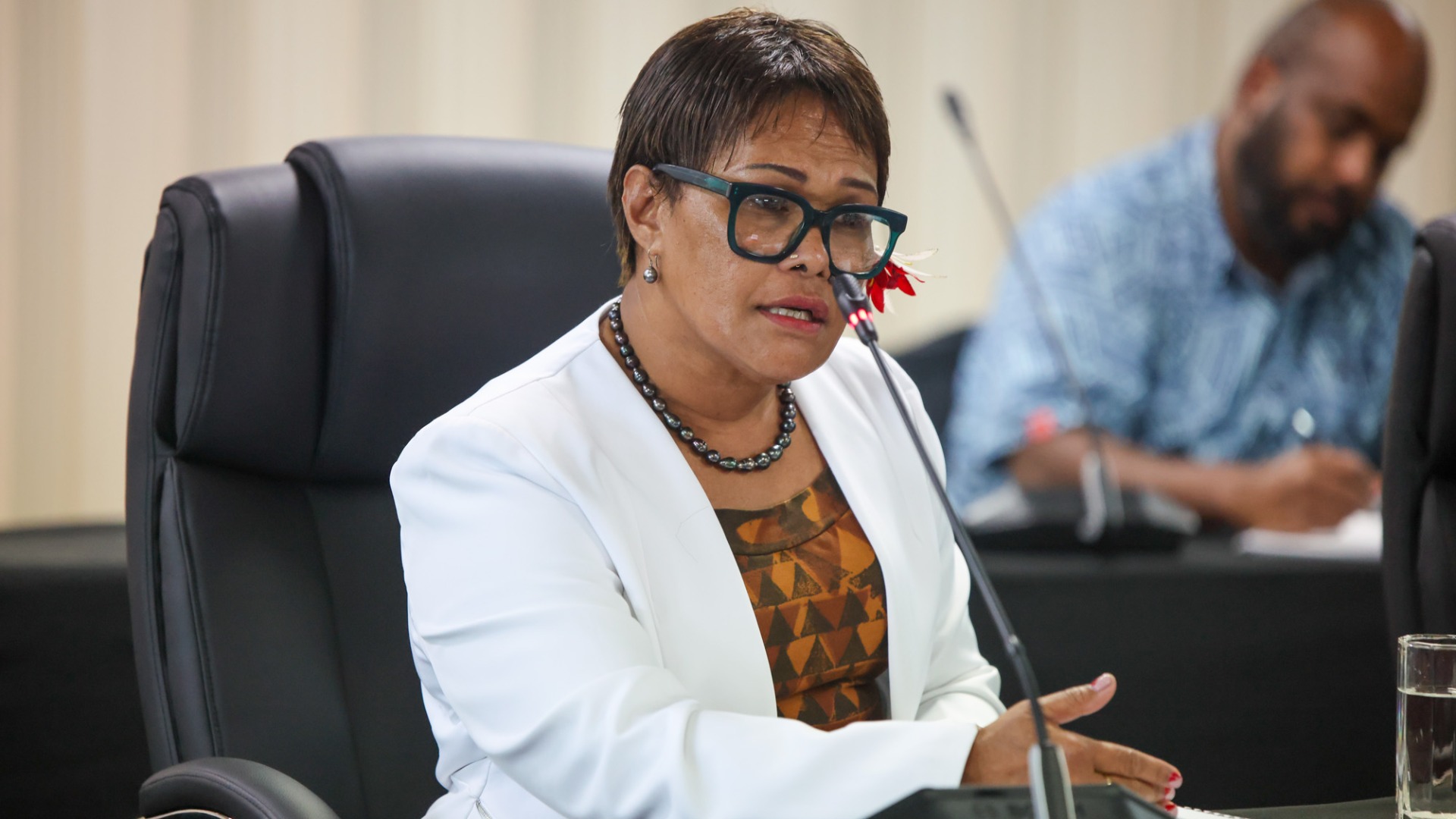
Acting FICAC Commissioner Lavi Rokoika has made a submission to remove the Attorney General as the reporting authority for FICAC and for either the Judicial Services Commission or the Constitution Offices Commission to make recommendations on the appointment of the Commissioner to the Parliament.
While making a submission to the Constitution Review Commission, Rokoika says FICAC Act talks about mandatory reporting to the Attorney General and they believe it weakens the independence of FICAC.
She says they have removed references to the Attorney General in their submission, and the basis for that proposed removal is their belief that if there is an investigation against any of the executives, for instance the Attorney General, it could pose difficulties for the commission.
Rokoika proposes that reporting to be done to Parliament as a whole, not to a particular office holder to safeguard the institution.
FICAC has also made a submission that any form of appointment or recommendation by either the Judicial Services Commission or the Constitution Offices Commission needs confirmation by Parliament.
She says the Parliament would be the best institution to scrutinize the appointment of the Commissioner as Parliamentarians are elected.
When questioned by Commission Chair Sevuloni Valenitabua on why unlike other commissions, FICAC needs an oversight of the Parliament, Rokoika says this is to avoid the current problem they are in with respect to the case in court regarding the validity of the Acting Commissioner's appointment.
INSERT: Rokoika on scrutiny 22 apr
While responding to a question by Commissioner John Fatiaki on whether FICAC is weaponized, Rokoika says that is not an issue for FICAC, but the issue lies with public perception, and that in itself is a concern for them because it affects accountability and international ratings in terms of what the public perceives as weaponisation.
Rokoika says FICAC has a lot of mechanisms in place that safeguard the offices, in terms of how complaints are handled and when it comes up to the office of the Commissioner and goes down to investigations.
She has also made a submission for the protection of whistleblowers be explicitly included in the Constitution to strengthen safeguards for informants.
She also submits for the Commissioner to be a qualified judge and the removal be done similar to how a judge is removed from their position for misbehaviour.
Rokoika also says that the tenure for the Commissioner should be 3 years and not the current 7 years.
On accountability, the Acting Commissioner says FICAC must submit annual and special reports to the Parliament and ensure they are made publicly available.
When questioned by Valenitabua on whether the powers of FICAC be transferred to the ODPP, Rokoika says this should remain a specialised entity as it focuses on anti-corruption and only branches out to electoral offences.
The Commission continues receiving submissions throughout the week and will be going to the public in May.