News
Health
All participants in HIV rapid assessment admit reusing needles due to lack of access to sterile syringes
Ministry working on needle and syringe programme - Dr Lalabalavu
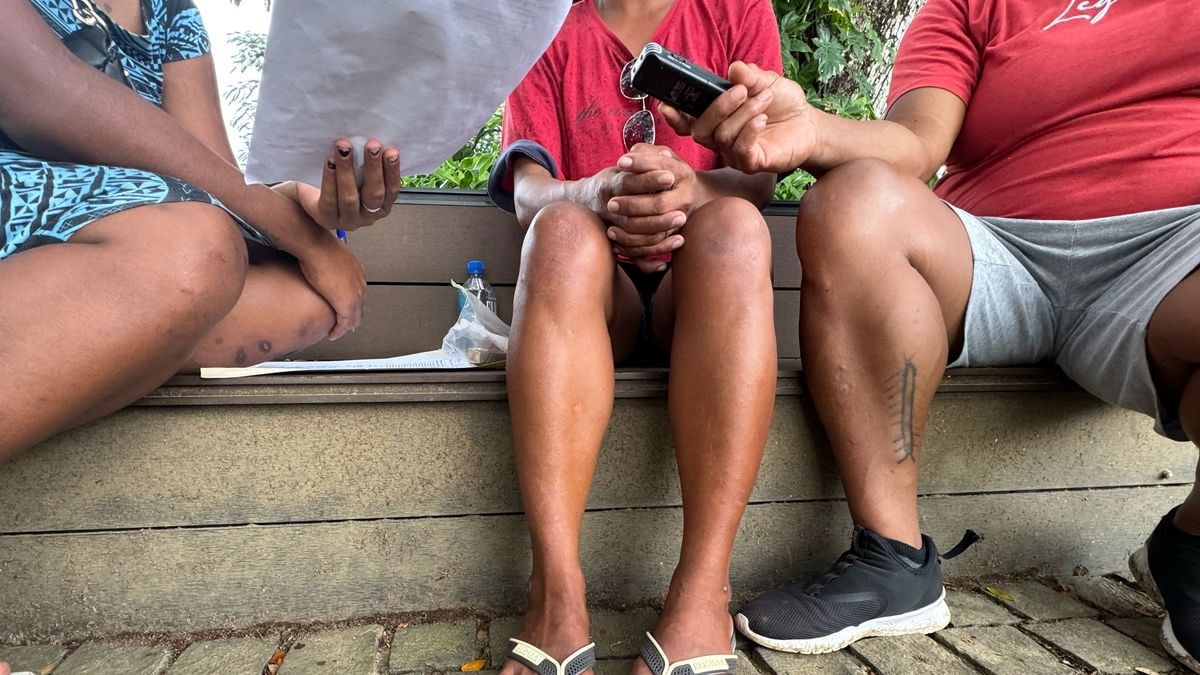
Among people starting HIV treatment in 2024, 48 percent were people who inject drugs, highlighting the disproportionate impact on this group. This has been highlighted in a rapid assessment report titled “This is the Health Crisis of Our Time: A Rapid Assessment of Injecting Drug Use and HIV in Suva, Fiji”.Commissioned by the World Health Organization’s Division of Pacific Technical Support and the United Nations Development Programme, the assessment was carried out on the request of Fiji’s Ministry of Health by the Kirby Institute at the University of New South Wales, Fiji National University and the Australian Injecting and Illicit Drug Users League. The study, funded by The Global Fund, provides an in-depth assessment of drug use, risk behaviors, health-seeking behaviours, and gaps in service delivery, to strengthen Fiji’s public health response. According to the report, all participants in the rapid assessment interviews reported that because of a lack of access to sterile needle or syringes, they had at some time reused a needle/syringe after someone else.It reveals that unsafe injecting practices, driven by an absence of harm reduction services such as needle or syringe programmes, are putting people who inject drugs in Fiji at increased risk of HIV transmission.It reports that reusing needles or syringes places them at high risk of HIV, viral hepatitis, and other injection-related infections. The report states that while so-called “bluetoothing” has been widely reported in the media, the researchers found little evidence of this high-risk practice, which involves sharing blood between users after one person has injected a drug. Methamphetamine was the most commonly injected drug. According to the report, many participants reported that their first injection – often with a potentially contaminated needle/syringe – occurred when trying the drug for the first time. The report states that this means that people, particularly young people, are at risk of HIV and hepatitis from the very first moment they use drugs. Compounding the issue, most had low awareness of HIV, and many faced difficulties accessing HIV testing and treatment services. It says the most pressing recommendation of the rapid assessment is to make sterile needle or syringes available and accessible to people who inject drugs. According to the report needle or syringe programmes (NSP) are an evidence-based, public health and human rights intervention that enables people who inject drugs to protect their health and access essential services without stigma. Minister for Health Dr Atonio Lalabalavu says the Ministry recognises the vital role of sterile needles and syringes in preventing new infections linked to equipment sharing. He says the National HIV Outbreak and Cluster Response Taskforce, with their international partners, is working to rapidly introduce a needle and syringe programme as part of their urgent public health response.Dr Lalabalavu says such programmes are recommended by WHO and several other health partners, and implemented in over 90 countries worldwide. WHO Director of Pacific Technical Support and WHO Representative to the South Pacific, Dr Mark Jacobs says evidence-based interventions, such as needle and syringe programmes, are proven to prevent HIV and hepatitis, save lives, and protect communities. He says this assessment gives them the data that can guide action, strengthen public health responses, and ensure that every person at risk has access to the care and prevention services they need.The lead researcher on the study, Kirby Institute Professor Lisa Maher, says the findings provided important baseline data.She says they are now working with the Ministry of Health and key partners on HIV prevention and harm reduction, including the implementation of the needle and syringe programme. Professor Maher adds in collaboration with AIVL, they recently trained 15 people who inject drugs to conduct peer education and outreach with their communities. She says people who inject drugs will need to be front and centre of the response in order to stop this epidemic.UNDP Resident Representative in the Pacific Office in Fiji, Munkhtuya Altangerel says the findings of this assessment are a wake-up call for all of us.Altangerel says Fiji’s HIV epidemic is not just a health issue – it is a development and human rights challenge that threatens lives, communities, and progress. He says we must act decisively and urgently to scale up harm reduction, expand access to HIV testing and treatment, and ensure that no one is left behind.Altangerel says to tackle Fiji’s escalating HIV epidemic, the Ministry of Health, in collaboration with WHO, UNDP and partners, is implementing a comprehensive HIV Surge Strategy (2024–2027) and HIV Outbreak Response Plan. He says this includes expanding HIV testing and treatment services, strengthening outreach to key populations, and fast-tracking the introduction of harm reduction measures such as Needle or Syringe Programmes (NSPs). He says these efforts aim to reduce new infections, improve access to treatment, and ensure stigma-free, confidential care for all. Altangerel adds that without urgent intervention, the number of people living with HIV in Fiji is projected to rise dramatically, with severe health and social consequences. The study combined a desk review of quantitative data, one-on-one interviews with 56 people who inject drugs and five talanoas - a traditional, inclusive way of storytelling and dialogue - held with 50 key informants representing civil society, healthcare workers, government ministries, law enforcement agencies, and faith-based organisations. HIV cases in Fiji, which has a population of just under 1 million, have been rising sharply. In 2024, 1,583 new HIV cases were reported nationally, while 1226 cases were notified in the first six months of 2025 alone. UNAIDS modelled estimates suggest that the total number of people living with HIV in Fiji is higher and has been increasing rapidly from around 2,000 in 2020 to an estimated 6,100 in 2024.