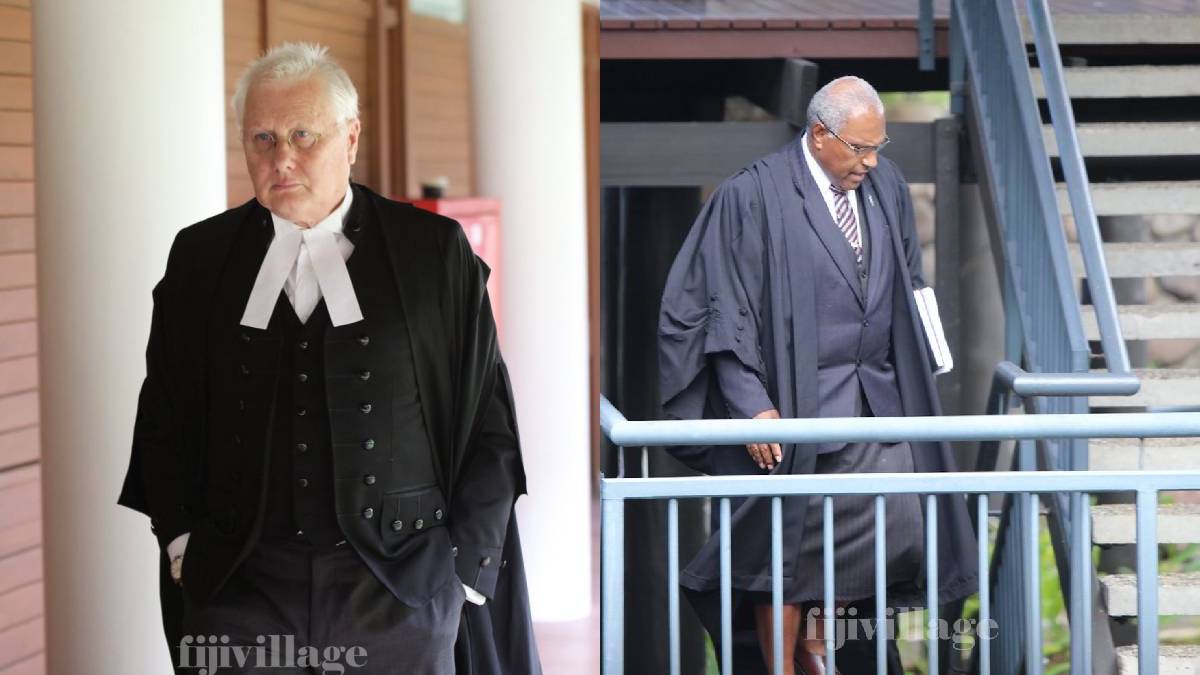
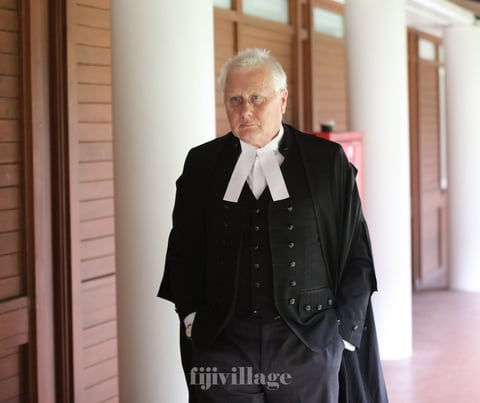
The State representative in the matter where Cabinet is seeking the Supreme Court’s opinion on the interpretation and application of the amendment provisions of the 2013 Constitution, says they do not support an absolute majority in Parliament, and that a two-thirds majority should be required for amendments, while the referendum provisions should be removed.
Kings Counsel Brent Walker says provisions of Section 160 are not hurdles but impenetrable walls.
He says the amendment provisions are a double entrenchment that does not pass constitutional trust because it prevents the exercise of democratic will.
Walker says no existing authority, no constituent assembly and no constitution says immunity provisions are not amendable because they are contained in the cluster of cross reference to the past.
He further says the 1997 Constitution had a divided electorate which is enough to render unthinkable and unrealistic to return to the 1997 Constitution in Fiji today, particularly as there have been three elections.
The hearing continues in the Supreme Court.
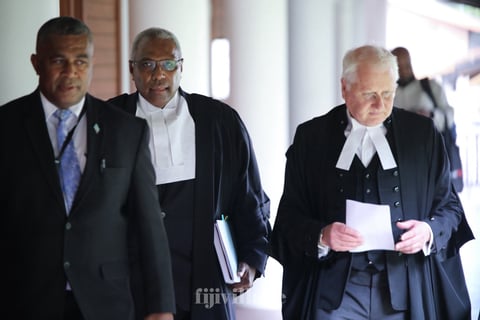
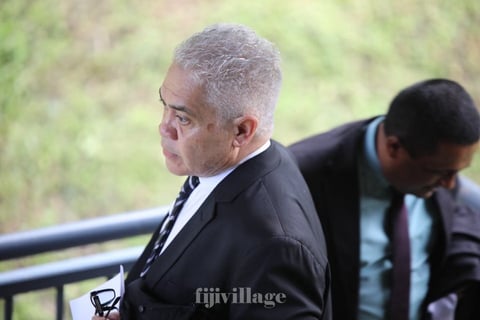

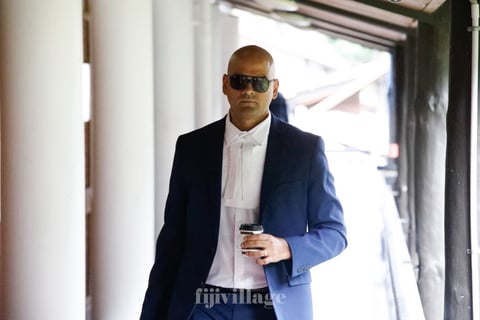

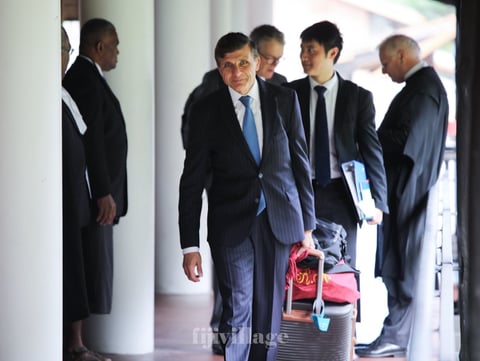
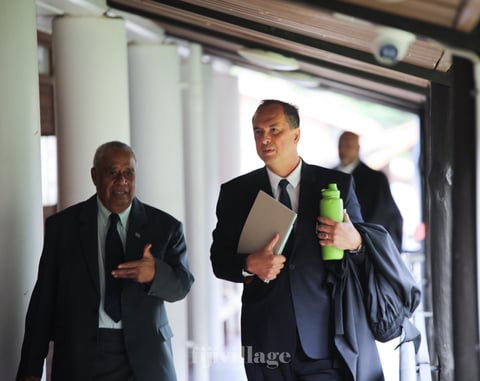
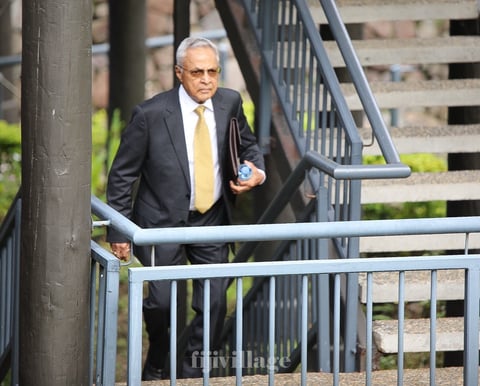
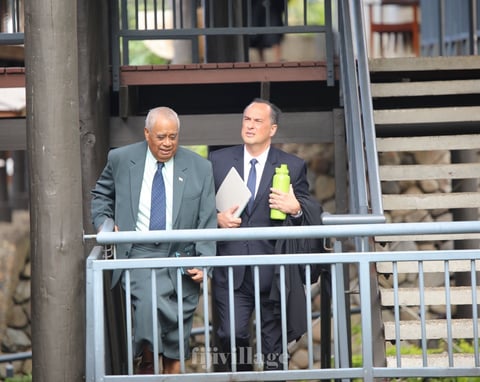
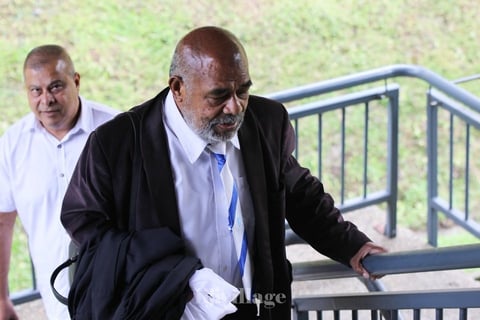
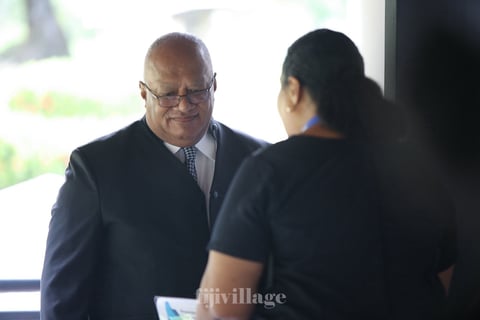
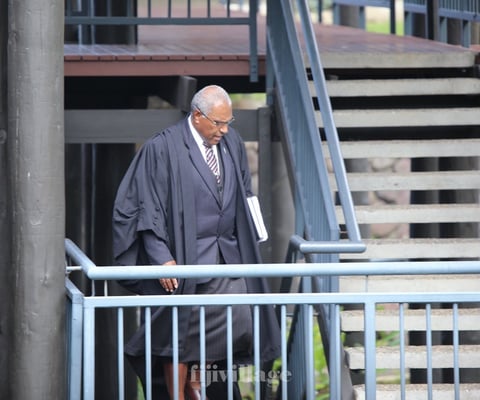

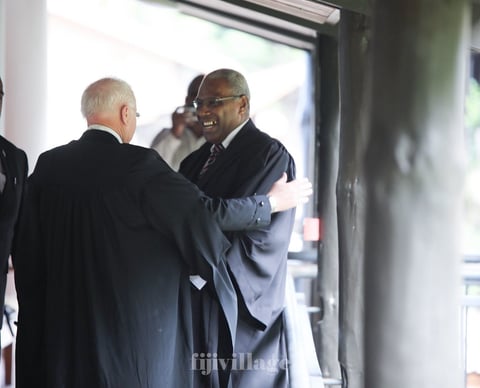
The questions asked by Prime Minister Sitiveni Rabuka in the reference filed in the constitutional case before the Supreme Court include whether the 1997 Constitution is still valid and applicable.
Other questions include whether the provisions regarding the amendment to the 2013 Constitution and the transitional period section of the Constitution are binding on the people of Fiji, the Parliament of Fiji, and the Supreme Court, with the effect that none of those provisions can ever be amended, regardless of the will of Parliament or of the people voting in a referendum.
Chapter 11 of the 2013 Constitution states that no amendment to the Constitution may ever repeal any provision on the immunity from prosecution for those involved in the 1987 and 2006 coups, and Chapter 12 deals with the transitional period.
Chapter 11 also requires 75 percent of the Members of Parliament and 75 percent of all registered voters in a national referendum to vote for changes in any other section of the Constitution.
Rabuka also asks whether the provisions can be amended following enactment of a Bill in Parliament to do so, in terms thought fit by Parliament.
The Prime Minister further asks the Supreme Court if the approval of any amendment proposed is effective only if approved by the people of Fiji at a referendum.
He also asks if there is any special majority, and if so, in what proportion, necessary for an enactment or approval by referendum.
