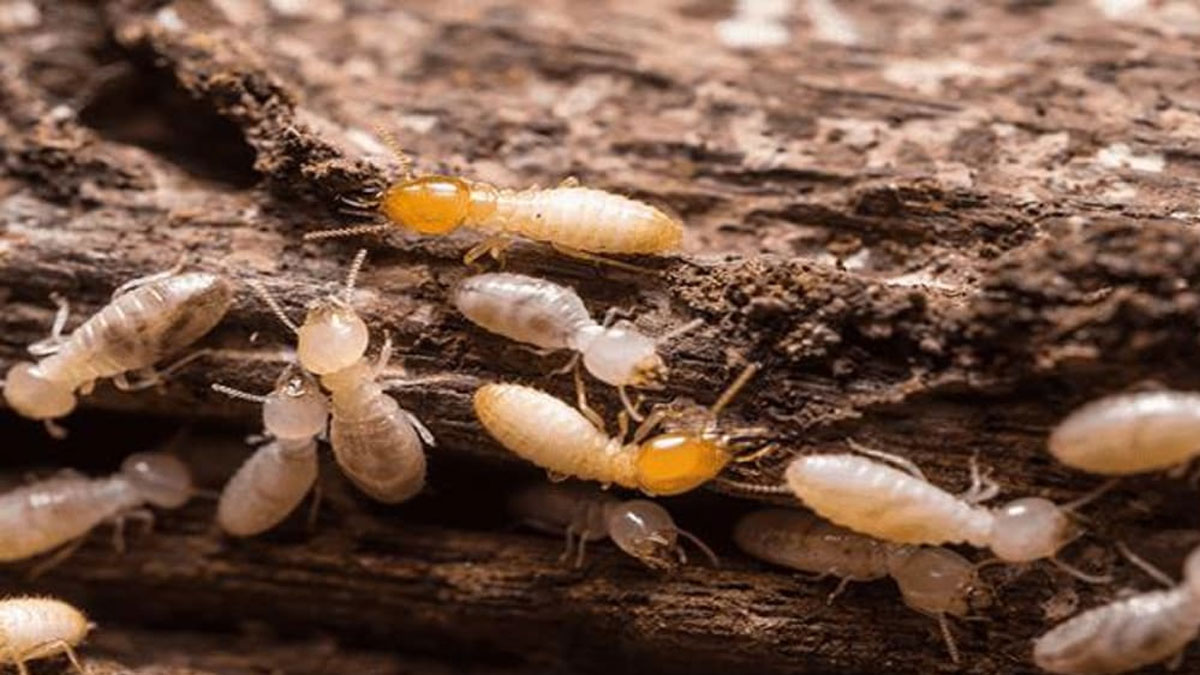
The Asian Subterranean Termites (AST) have been identified at a private residence in Nakasi after the Biosecurity Authority of Fiji responded to a call on Monday to ascertain the source of structural damage to a house and an adjoining flat.
According to the Biosecurity of Fiji, the Asian Subterranean Termites (Coptotermus gestroi) are invasive alien species to Fiji.
Parts of Lautoka and Labasa have been declared as Biosecurity Emergency Areas for Asian Subterranean Termites.
The Biosecurity Authority of Fiji says a visual inspection located the source of the damage and was positively identified as Asian Subterranean Termites.
BAF says an active nest was detected and the infestation treated with chemicals designed to be disseminated back to the colony by soldier termites with the aim of destroying the colony.
It adds that an inspection of surrounding properties failed to reveal any sign of any other infestation outside of the identified property, however, monitoring and inspections of the area will continue.
The Authority says whilst very concerning, the first confirmed case of AST in Suva is not unexpected and scientific analysis has determined that AST have been in Fiji for 30 to 40 years and is firmly entrenched in our environment.
They say for an infestation of AST to cause significant economic damage, the colony needs to be mature.
BAF says this means that the incursion of the termites in Nakasi occurred up to 10 years previously by way of human assisted movement of infected materials.
They further say such materials include building materials, wood, furniture, paper, cardboard, books, paper products, soil, pot plants and other plant materials.
The Authority is stressing that it is imperative that people do not move these products from infested areas, particularly Labasa, Lautoka, Nadi and Ba localities where significant colonies are present.
They say the natural spread of AST is limited to tunnelling activities and swarming and this is very slow.
BAF adds AST will only move 50 metres from tunnelling activities and a maximum of 500 metres from swarming annually, but the biggest risk to the spread of AST is people.
Information on how to identify AST can be found on the Biosecurity Authority of Fiji Facebook page. If you notice any sign of damage to your dwelling or business premises, please contact BAF immediately on Biosecurity Authority of Fiji on 3312512, Lautoka office on 6665983, Labasa office on 8921114 or AST SHORTCODE: 5996.
