The Fiji Council of Churches is calling for the repeal of the Constitution's immunity provisions, saying they remain the greatest moral concern in the 2013 Constitution and have delayed national healing.
In its submission to the Constitution Review Commission, the Council says blanket immunity has prevented victims of Fiji's political crises from seeking accountability and that true reconciliation cannot be achieved without truth, repentance and justice.
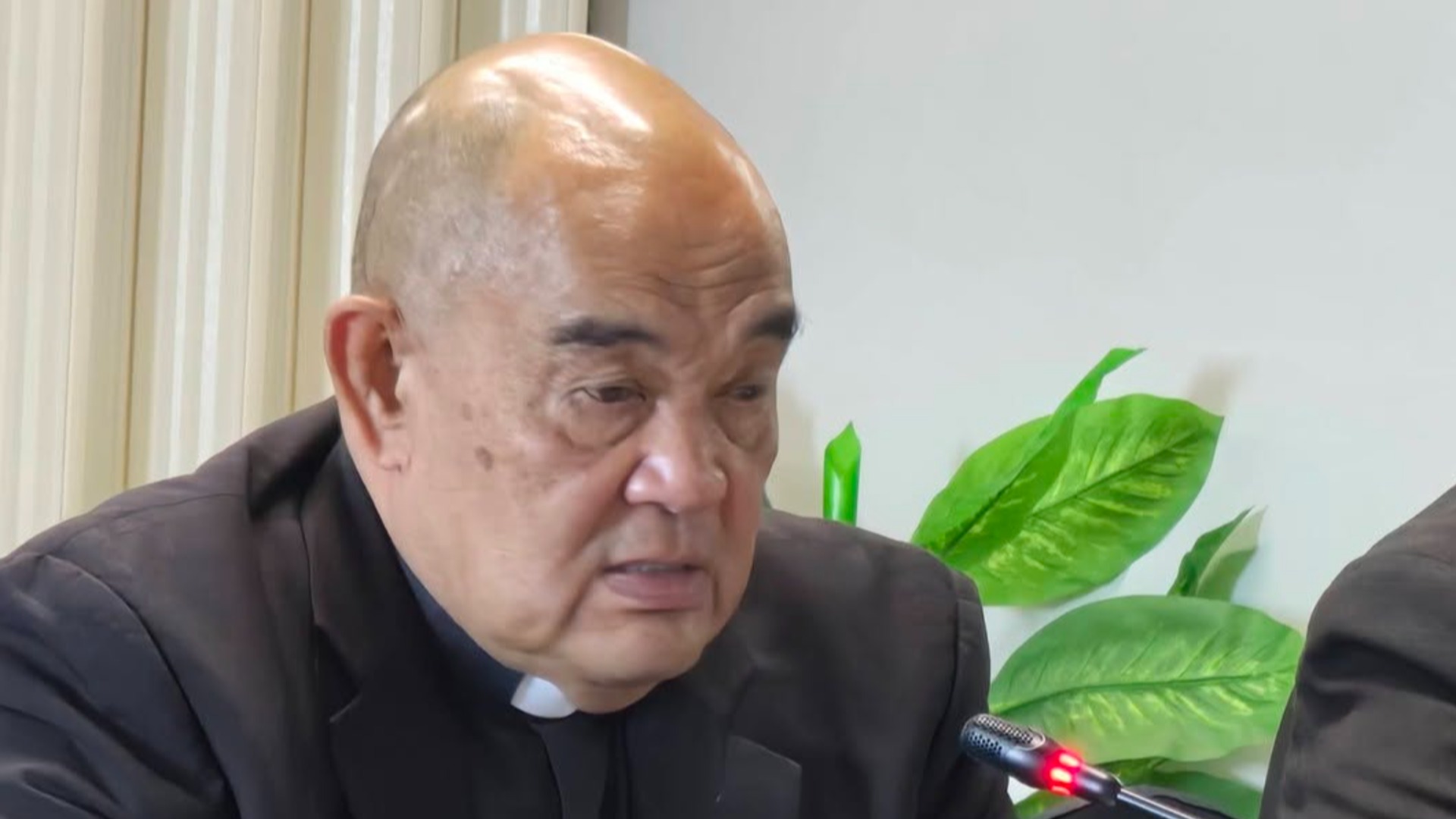
Speaking before the Commission, Fiji Council of Churches President, Archbishop Peter Loy Chong also questioned the legitimacy of the 2013 Constitution, saying it was drafted without meaningful public participation.
He says the people of Fiji were not told who wrote the Constitution or how it was developed, adding that the lack of participation and respect for human dignity raises serious concerns about its authority as the supreme law of the country.
The submission, titled Justice, Peace and the Common Good, says while the Council welcomes many of the Constitution's existing provisions, several areas require reform to strengthen democracy and national unity.
The Council supports the Bill of Rights, equal citizenship for all Fijians, protection of vulnerable people, workers' rights, environmental protection and freedom of religion.
It also says Fiji should remain a secular state, stressing that a secular state protects all faiths equally and should neither establish a state religion nor exclude religious voices from public life.
Among its recommendations, the Council is calling for stronger constitutional protections for lawful assembly, press freedom, democratic participation and judicial independence.
It also recommends establishing a permanent Truth and Reconciliation Commission to investigate political violence, ethnic tensions and other historical injustices, while supporting restorative justice and constitutional reform.
The Council says socio-economic rights such as health, education, housing and social security should become fully enforceable.
Reverend Dr Bruce Yates told the Commission these rights should not be easily limited simply because the government says it lacks the necessary resources, and that any limitations should be properly justified.
The Council is also calling for stronger parliamentary oversight, greater local government participation and electoral reforms that improve local representation while preserving national unity.
It recommends constitutional recognition of the family as the fundamental unit of society, greater action on climate change through constitutional protections, and sustained civic education programmes to improve public understanding of constitutional rights and responsibilities.
During the hearing, Constitution Review Commission Chairman Sevuloni Valenitabua asked the Council about calls to reintroduce corporal punishment in schools.
Archbishop Chong said the Council has not adopted an official position and will first consult its member churches.
Insert: Archbishop on consultation 30th June 26
He said greater emphasis should be placed on strengthening families, supporting parents and investing in early childhood development rather than relying on punishment after behavioural problems arise.
He also said the Church is generally opposed to violence, noting that violence often leads to more violence.
Reverend Joji Qaranivalu, speaking from his experience as a former teacher, said while corporal punishment was common during his teaching career, understanding children's family backgrounds and providing guidance is more effective than punishment alone.
Archbishop Chong also raised concerns that constitutional protections for a clean and healthy environment are not always upheld, saying environmental rights can be overlooked when development and commercial interests take priority.
The Council says no human constitution is beyond review and believes constitutional reform should always remain open through lawful democratic processes.
It says its submission is guided by biblical principles centred on justice, peace, reconciliation, human dignity and the common good.
The Commission also confirmed that written submissions on the review of the Constitution will close at midnight tonight, while scheduled face-to-face consultations will continue until 10th July.