Fiji is finding people living with HIV faster than it is linking them to treatment and keeping them in care, with only 56 percent of diagnosed people starting treatment in 2025, compared to more than 98 percent in 2021.
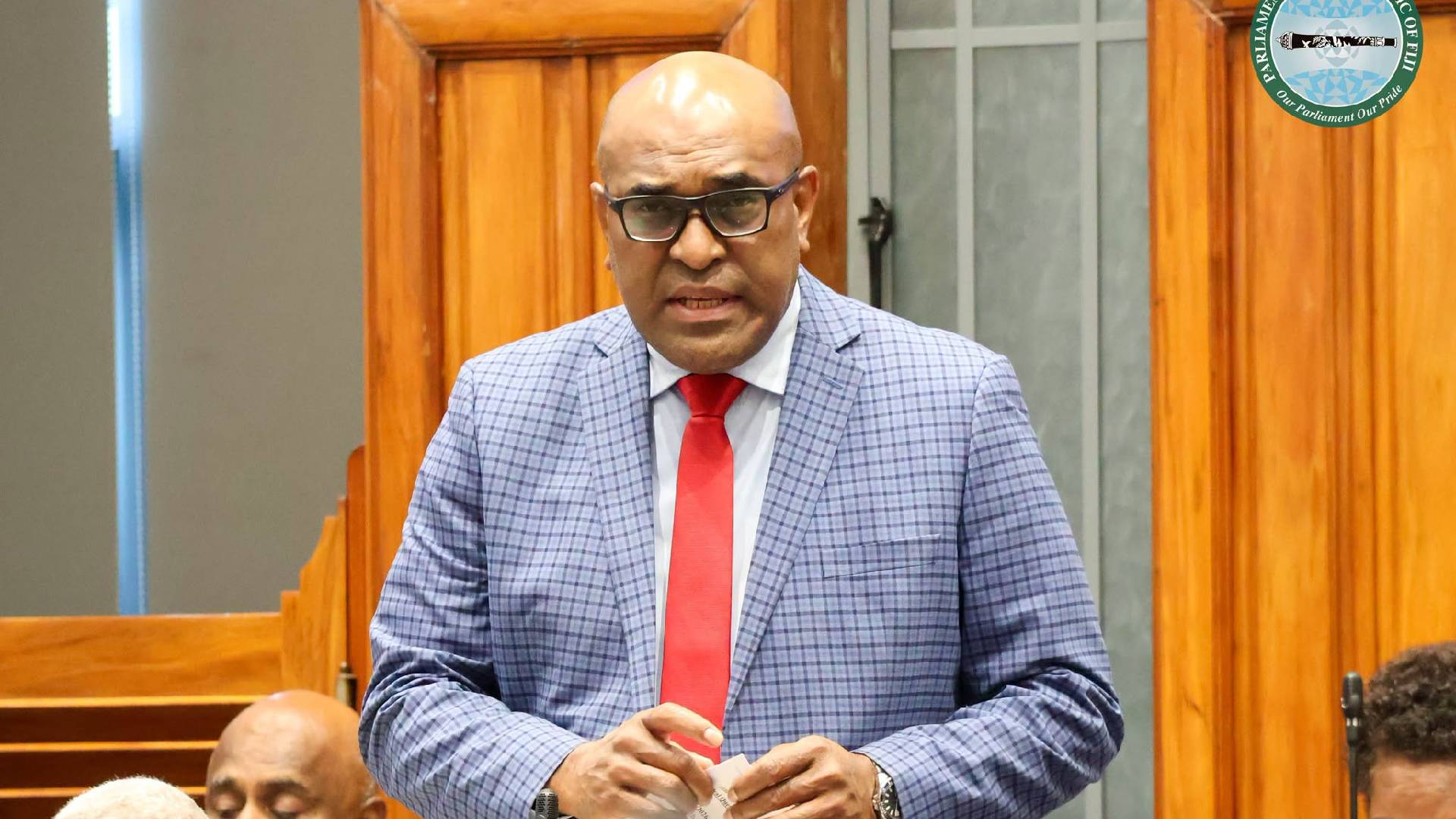
Minister for Health Dr Ratu Atonio Lalabalavu highlighted this while responding in Parliament to Opposition MP Hem Chand’s question on the progress the Ministry has made towards achieving Fiji’s target of reducing new HIV infections.
Dr Lalabalavu says closing this gap through same-day treatment starts and active support to keep people in care is the single most powerful action available.
He says the response is being driven through the National HIV Outbreak Response Plan, which the government has established and funded, alongside expanded testing and community-led outreach.
He says Fiji is now in a generalised HIV epidemic.
Insert: Lalabalavu on HIV figures 21st Aug
Dr Lalabalavu says he will not claim that Fiji has already turned the curve downward, adding that the country has not yet reached the turning point, adding that for the first time, the Ministry has a plan and a coordinated response required to bend the curve.
He says there has been measurable progress in identifying people living with HIV adding the number of people who know their HIV status has increased from around 785 in 2022 to about 3,551 in 2025.
He says the number of people on treatment has also increased from about 506 in 2020 to just over 2,000 in 2025.
Dr Lalabalavu says the goal of treatment is to suppress the virus to undetectable levels.
He says a person who is virally suppressed cannot pass HIV, adding that treatment is therefore also prevention as supporting people who start treatment to remain in care and reach viral suppression helps reduce future infections.
He says strengthening viral load testing and the systems behind it forms part of the response plan so the Ministry can be held accountable for this important measure.
The Minister says the Ministry’s own data has identified where the system is failing and the government is acting on it, stressing the Ministry is also focusing on protecting mothers and infants, with women accounting for around 42 percent of new infections.
He says prevention is important in stopping infections before they begin, but the Ministry must also be honest about what is driving the increase.
He says Fiji has also moved quickly to introduce PrEP, or pre-exposure prophylaxis, which is a medicine that an HIV-negative person can take to protect themselves from acquiring HIV.
However, Dr Lalabalavu says uptake has so far been slower than needed because too few people at risk know that the protection exists or how to obtain it.
He says the Ministry is now seeking funding to market PrEP and scale up its use across the country.
Dr Lalabalavu says Fiji is also preferentially accessing Lenacapavir, a breakthrough form of PrEP that requires only two injections a year to provide protection against HIV, adding the first supplies are expected to arrive at the end of this year.
He says a medicine that protects a person for six months at a time has the potential to transform HIV prevention in Fiji, particularly for those who find daily tablets difficult to sustain.