Water shortages, increased fire risks, pressure on farms and health concerns are among the key issues Fijians are being urged to prepare for as El Niño conditions develop across the Pacific.
Permanent Secretary for the Ministry of Disaster Management Miteli Cama says people should start preparing early, with forecasts indicating the possibility of below-normal rainfall in parts of Fiji through the latter part of 2026 and into early 2027.
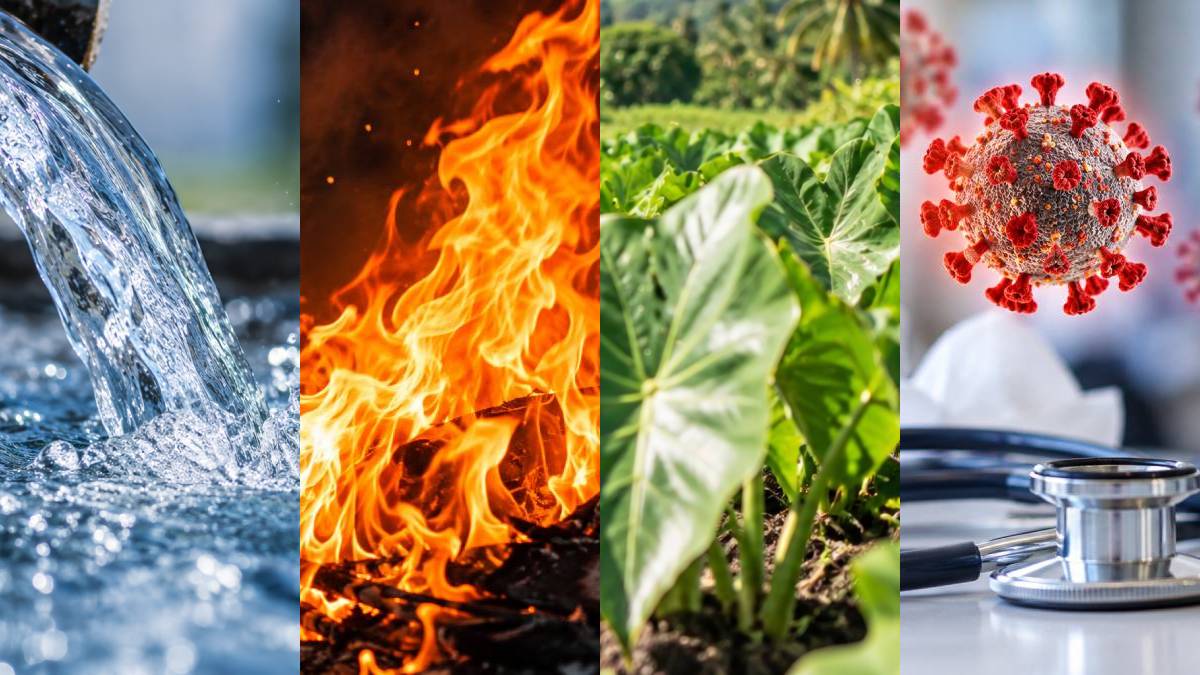
Cama says the four key areas people should focus on are conserving water, preventing fires, protecting crops and livestock, and looking after their health.
He says families should avoid wasting water, fix leaking taps and pipes, take shorter showers and safely store water for essential needs.
People are also being urged to avoid unnecessary burning as grass and vegetation become drier, increasing the risk of fires.
Cama says open fires should never be left unattended, while dry vegetation around homes and farms should be cleared where possible.
Farmers and livestock owners are being encouraged to carefully manage available water, prioritise clean drinking water for livestock, provide adequate shade and monitor crops and animals for signs of heat or water stress.
Cama says prolonged hot and dry conditions can also create health risks, and people should take extra care of children, older people and others who may require additional support.
He says drinking water should be treated if its safety is uncertain, while people should look out for illnesses such as diarrhoea and vomiting and seek medical attention early if there are signs of dehydration or severe weakness.
Cama says Fiji has experienced significant El Niño events before, including the 1997-1998 event, which brought prolonged drought conditions to parts of the country and affected communities, agriculture, water supplies and livelihoods.
He adds while current forecasts indicate possibilities rather than certainties, Fiji's past experience shows the importance of preparing early.