Fear of stigma, community gossip and discrimination is preventing people living with HIV from seeking treatment, with a health official warning that shame remains a major barrier to accessing care.
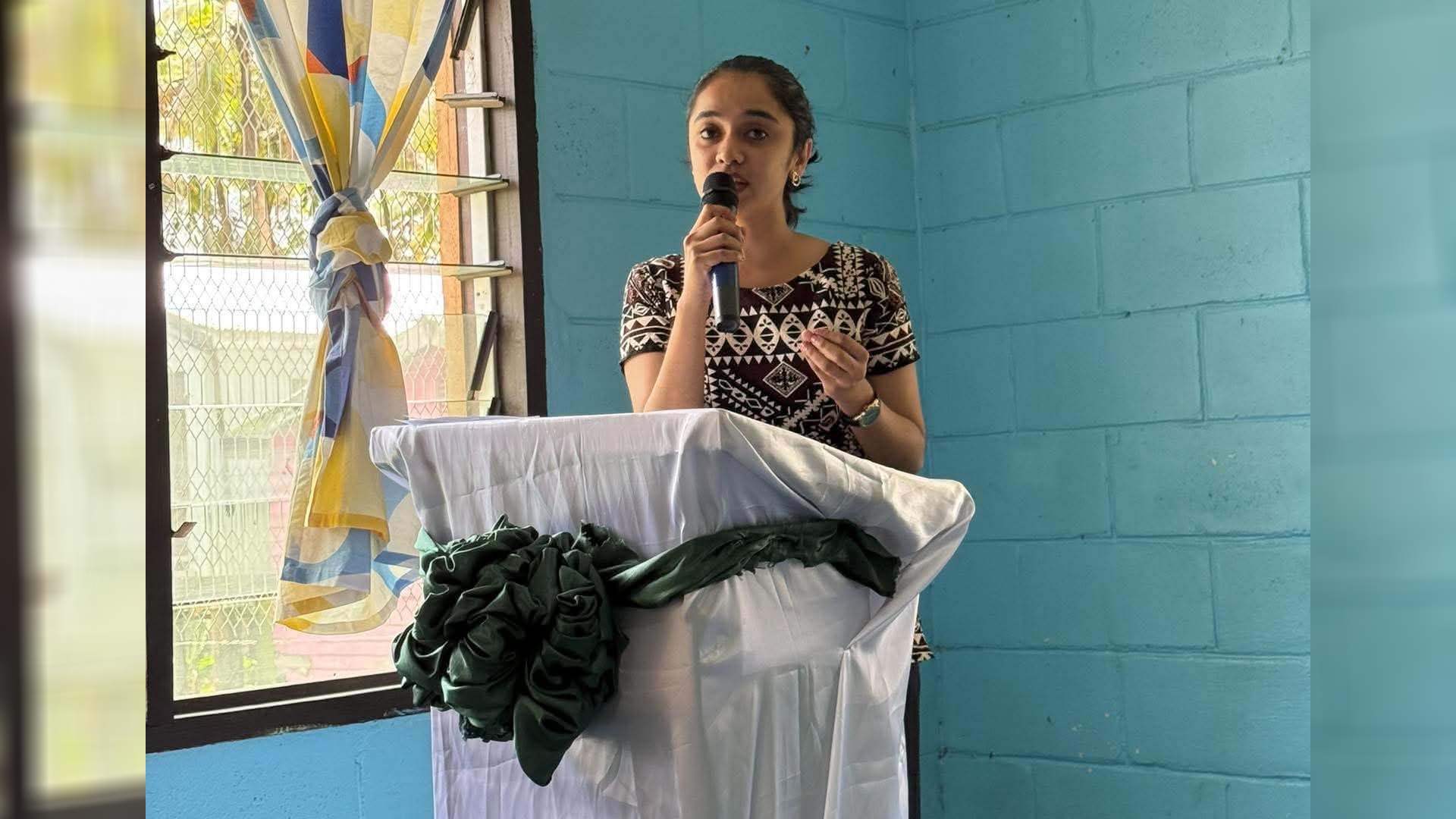
Speaking during the World Mental Health Day awareness programme at Marata Settlement Hall in Wailoku, Dr Sonika Shayal, Medical Officer at the Central/Eastern Sexual and Reproductive Health Clinic under the Ministry of Health and Medical Services, says many people diagnosed with HIV are more worried about their families and communities finding out about their status than the disease itself.
Dr Shayal says some patients avoid returning to clinics because they fear being recognised and judged by others.
She stresses that HIV is no longer a death sentence, with free treatment available to help people living with the virus manage their condition and lead healthy lives.
Dr Shayal reveals that Fiji recorded 2,016 newly diagnosed HIV cases last year, the highest annual figure recorded in the country.
Of these, 257 cases were among teenagers aged between 15 and 19.
She also reveals that 117 people died from HIV-related causes last year, including 16 children under the age of five.
Dr Shayal says stigma remains a major barrier to treatment, with nearly half of those newly diagnosed last year not coming forward for treatment.
She highlights the link between mental health, substance use and HIV, explaining that stress, isolation and drug use can increase a person's vulnerability to HIV, while fear of discrimination can prevent people from seeking help.
Using the example of a young man struggling with unemployment and problems at home, Dr Shayal explains how turning to alcohol and drugs to cope with stress could lead to risky behaviour, followed by an HIV diagnosis and further emotional distress.
However, she says this cycle can be broken through early testing, access to treatment and stronger support from families and communities.
Dr Shayal also reminds the public that HIV can be transmitted through unprotected sexual intercourse, sharing needles and from mother to child. However, it cannot be transmitted through everyday contact such as hugging, shaking hands, or sharing cups and toilets.
She urges communities to challenge misinformation and treat people living with HIV with dignity, compassion and understanding.
She emphasises the importance of creating a safe and supportive environment where people feel comfortable seeking testing and treatment.
Dr Shayal says addressing stigma, strengthening mental health support and improving awareness are essential to ensuring people living with HIV receive the care they need without fear of discrimination or judgement.