Farmers in Kavanagasau in Nadroga are being encouraged to diversify into rice farming as Fiji continues to spend about $80 million each year on imported rice.
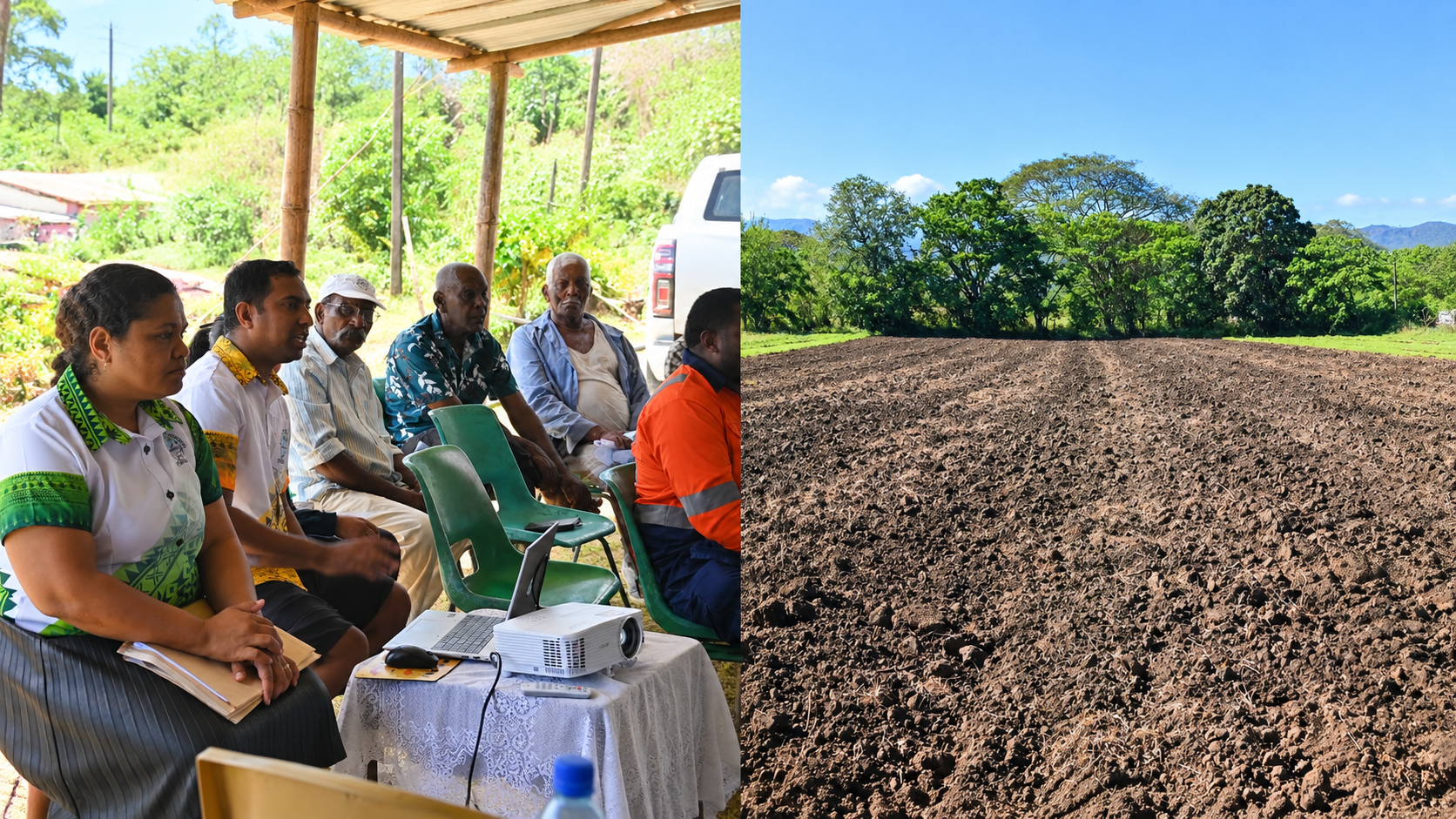
Twenty farmers received practical training on rice cultivation, sustainable farming practices and available rice varieties under the Ministry of Agriculture, Waterways and Sugar Industry’s Rice Development Programme.
The training was held at the farm of host farmer Gopal Naidu in Kavanagasau.
Naidu says he is currently a vegetable farmer and has been farming sugar cane since 2019.
He says the breakdown of a nearby bridge, together with changing market conditions, contributed to many farmers in the area moving from sugar cane to vegetables.
He says he now sees rice as another option for farmers to make productive use of their land and diversify their income.
However, Naidu says access to resources remains a challenge, particularly following the severe water shortage caused by the El Niño-related drought.
He says the creek beside his farm has dried up and there is currently no water available there.
He also identified the upfront cost of ploughing and land preparation as a major barrier for farmers wanting to return to their fields.
Naidu is calling for short-term government assistance, such as a subsidy or cost-sharing arrangement, to help farmers meet their initial planting costs.
He believes that once farmers harvest and sell their crops, the income will allow them to sustain their operations independently.
Senior Agriculture Officer (Rice) Sera Nakidakida says increasing local rice production presents an important opportunity for Fiji to reduce its dependence on imported rice.
Nakidakida says Fiji spends about $80 million annually on rice imports, highlighting the need to strengthen local capacity and encourage more farmers to consider rice as an additional cash crop.
Farmers were given practical guidance on land preparation, planting, crop management and harvesting.
They also received guidance on agri-silica application, straw recycling and improved nutrient management to support soil health and productivity.
The Ministry is supporting farmers with seeds, fertiliser and pesticides, along with ongoing technical assistance from Extension Officers.
The Ministry says it will continue working with farmers through the Rice Development Programme to encourage agricultural diversification, strengthen rural incomes and contribute to Fiji’s food security.