Calls for greater investment, stronger support for families and caregivers, improved community inclusion and increased awareness are needed to help children with disabilities in Fiji reach their full potential.
This is highlighted in the "Rights of Children with Disabilities in Fiji Report", which recommends meaningful investment, the removal of existing barriers, and stronger support for families and caregivers.
It also calls for greater community inclusion and improved awareness to reduce stigma and ensure children with disabilities have equal opportunities to grow, participate and reach their full potential.
The report says many children with disabilities have been bullied, punched or teased by other children, while communication barriers make it difficult for some parents to understand the needs of non-verbal children.
The report also says families struggle to meet the cost of transport, medication, food, toiletries, diapers and assistive devices, while also worrying about who will care for their children in the future.
It says children living outside urban areas face greater challenges in accessing essential services because they have to travel longer distances and pay higher transport costs.
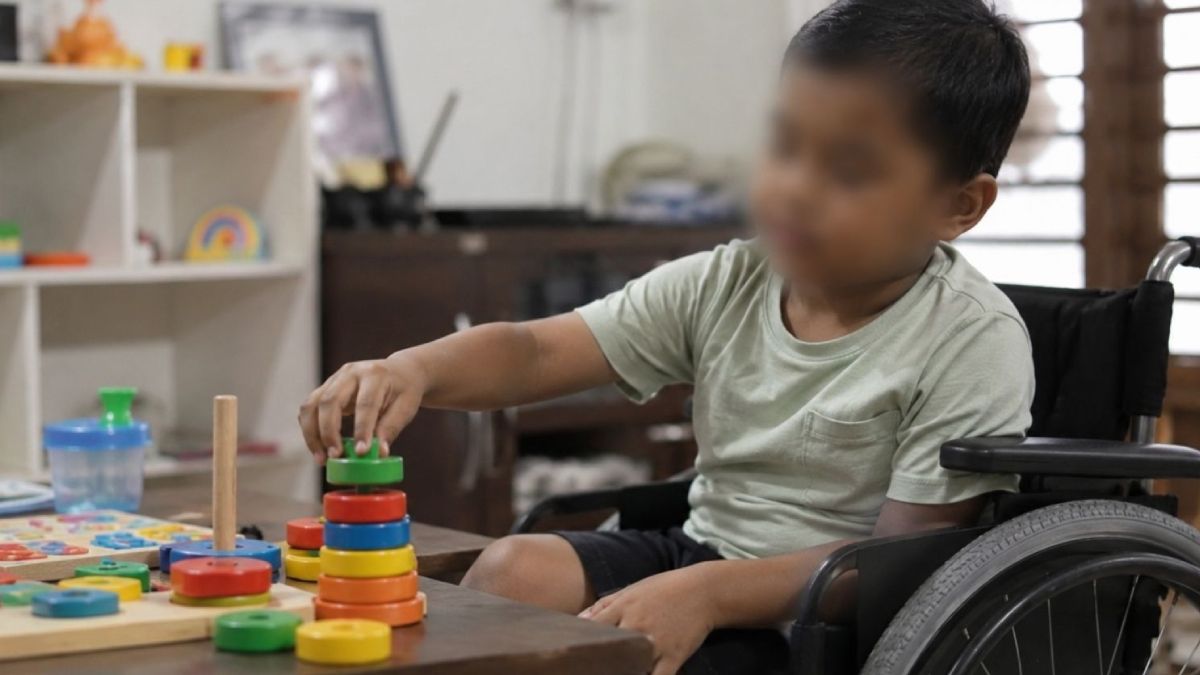
The report also highlights that buses remain inaccessible for most children who use wheelchairs, forcing families to rely on taxis, while some homes require modifications that families cannot afford.
It further says some parents continue to experience stigma or remain in denial about their child's disability due to a lack of awareness.
Stakeholders also raised concerns about neglect, including some children arriving at school without lunch or clean clothes, parents prioritising the needs of children without disabilities, and boys receiving preferential treatment over girls.
While the report says many families provide loving and supportive environments, it also notes that some children with disabilities experience isolation, control or harm from parents, caregivers or other family members.
It stresses that neglect should also be understood within the wider context of financial hardship, limited access to support services and competing family responsibilities.
Despite these challenges, the report says children with disabilities enjoy spending time with their families, attending school, playing sports, listening to music, drawing and spending time with friends.
Many also aspire to become nurses, teachers, police officers, soldiers, dietitians, models and other professionals.
The report says acceptance by families and inclusion within communities have a positive impact on the lives of children with disabilities.