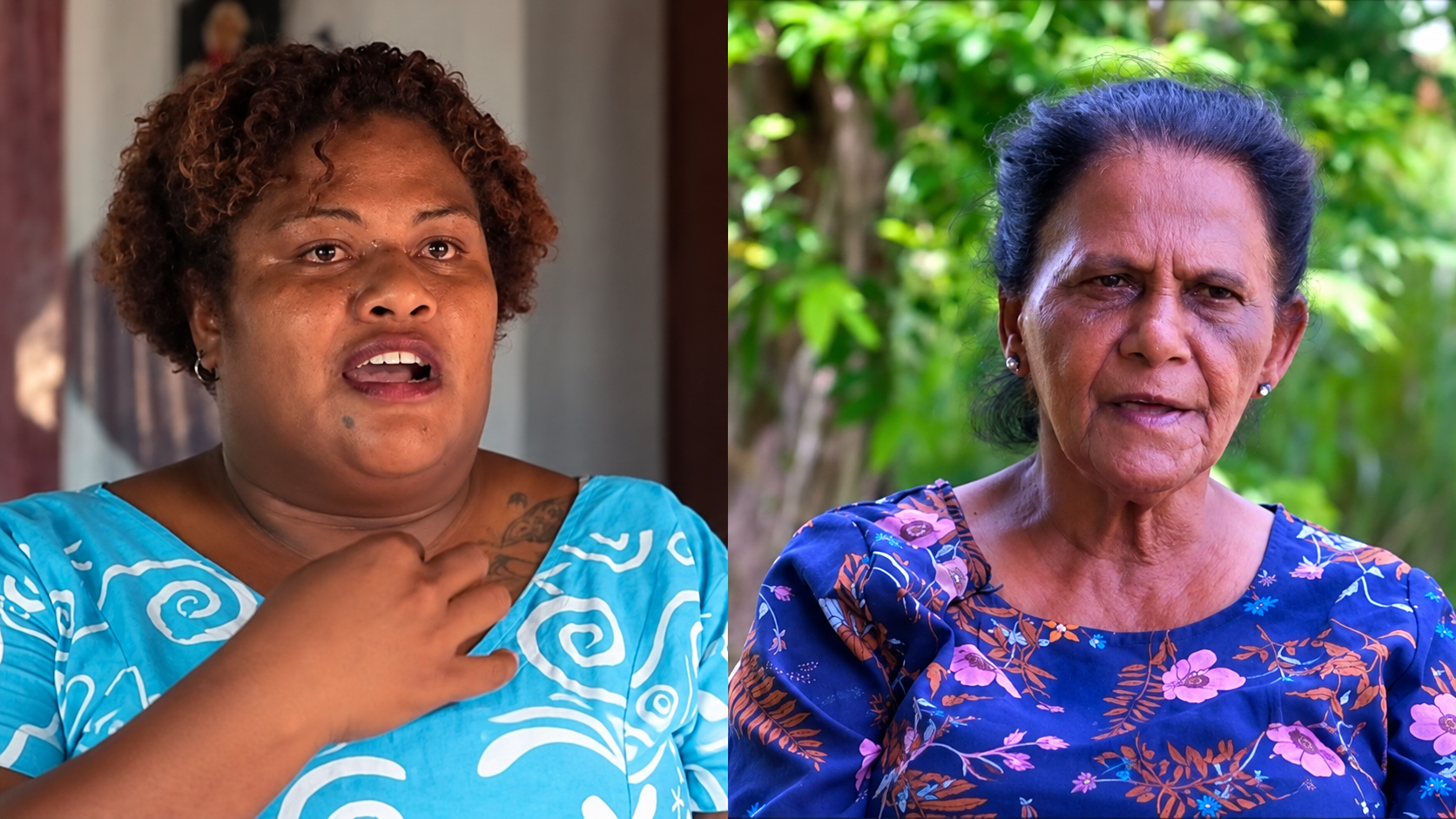
Women in Dramasi, Tavua are waking up as early as 2 or 3 in the morning and climbing over a hill to collect water as climate change continues to dry up water sources in the community.
Pacific Centre for Peacebuilding Executive Director Florence Swamy says the women have to collect water during the night because if they wait until the sun comes up, animals go to the water source and contaminate it.
She says the water source is a river or small creek, but the impact of prolonged dry conditions is clear, with some of the creeks in Dramasi now so dry that they look like roads.
Swamy says women have to carry the water back to their homes, adding to the pressure they already face every day.
She says the women the Centre worked with, aged between about 21 and 65, would start their day at around 4.30 or 5 in the morning by preparing breakfast and lunch for the men before they leave for the farms, gold mines in Vatukoula or odd jobs around Tavua and Ba.
She says the women then prepare their children for school, complete household work, tend to market gardens around their homes and meet their community obligations.
Swamy says their days can continue until around 10.30 or 11 at night, before some women wake again at 2 or 3 in the morning to collect water.
She says the lack of water is affecting hygiene, including how women teach young girls about hygiene, as well as water for daily use and market gardening.
Swamy says this has become a food security issue because women can no longer rely on their gardens to provide food, which can then affect the health and well-being of families.
She says access to the community is also becoming a problem, as roads have not been properly maintained and commercial water suppliers have stopped going to the area because the condition of the roads is damaging their vehicles.
Swamy says one of the women, Urmila Prasad, is also an advisory councillor and is actively raising the concerns of the community with authorities.
She says the Centre has also brought women from Dramasi together with women from nearby Korovou to form a joint multicultural and multi-ethnic network.
Swamy says the network gives the women a platform to collectively raise issues with authorities, including water, which is a concern for both Indo-Fijian and iTaukei women.
She says the women are already demonstrating leadership in their homes, and the network is helping them amplify their needs and take leadership in addressing issues affecting their communities.
Swamy says the challenges in Dramasi are not limited to climate change, as the community is also a sugarcane farming community facing the existing pressures in the sugar industry.
She says young people are also leaving the community to look for work elsewhere, with labour migration bringing additional social problems.
Swamy says older people are increasingly looking after their grandchildren because their parents have left to find work, sometimes for long periods, and in some cases money does not come back.
She says this leaves older people relying on limited social welfare support to care for their grandchildren.
Swamy says the Centre worked with about 16 women from 12 households in Dramasi as part of its Women’s Peacebuilding Leadership Programme and Climate Change and Conflict Programme.
She says the Centre has also worked with women in nearby Korovou, where livelihoods are being affected by the loss of mangroves and declining crab catches.
Swamy says the women in Korovou traditionally relied on crabbing for their livelihoods, but mangroves are being cut down and ecosystems are being destroyed, resulting in fewer crabs.
She says the women are now having to go further into the sea and spend longer periods standing in the water to catch enough crabs to sell.
Swamy says this is affecting their physical health, including their knees, because they are spending longer periods in cold water, while exposure to the sun is also a concern.
She says pollution around the expanding town is another problem, with flooding carrying waste into the mangroves and affecting marine life.
Swamy says the women from the two communities are now working together through their joint network, allowing them to bring different strengths and concerns together and collectively advocate for their communities.
She says the Centre’s advocacy going into the Pacific Pre-COP31 discussions is that climate change must be viewed beyond its physical effects and the infrastructure required to respond to it.
Swamy says the impacts on communities must also be considered as a human security and conflict prevention issue because as resources become scarce, competition and tensions can increase.
She says communities must have access to climate financing so they can build resilience, rather than climate financing being directed only towards solutions after problems occur.
Swamy says it is important that the experiences and needs of communities such as Dramasi and Korovou are reflected in discussions on climate change and climate financing.
Questions have been sent to the Water Authority of Fiji regarding the water situation in Dramasi.
Negotiators from about 36 countries are convening in Nadi from tomorrow until Friday for Pre-COP31 to discuss key issues ahead of COP31.
The Pacific Pre-COP31 discussions will focus on four key pillars including keeping 1.5°C within reach, enhancing access to climate finance, elevating the ocean-climate nexus, and amplifying Pacific voices and leadership.