The Fiji Law Society is opposed to any future grant or extension of immunity from the date of commencement of the new Constitution (if a new one is adopted), as proposed in clause 206 of Bill 32 of 2026.
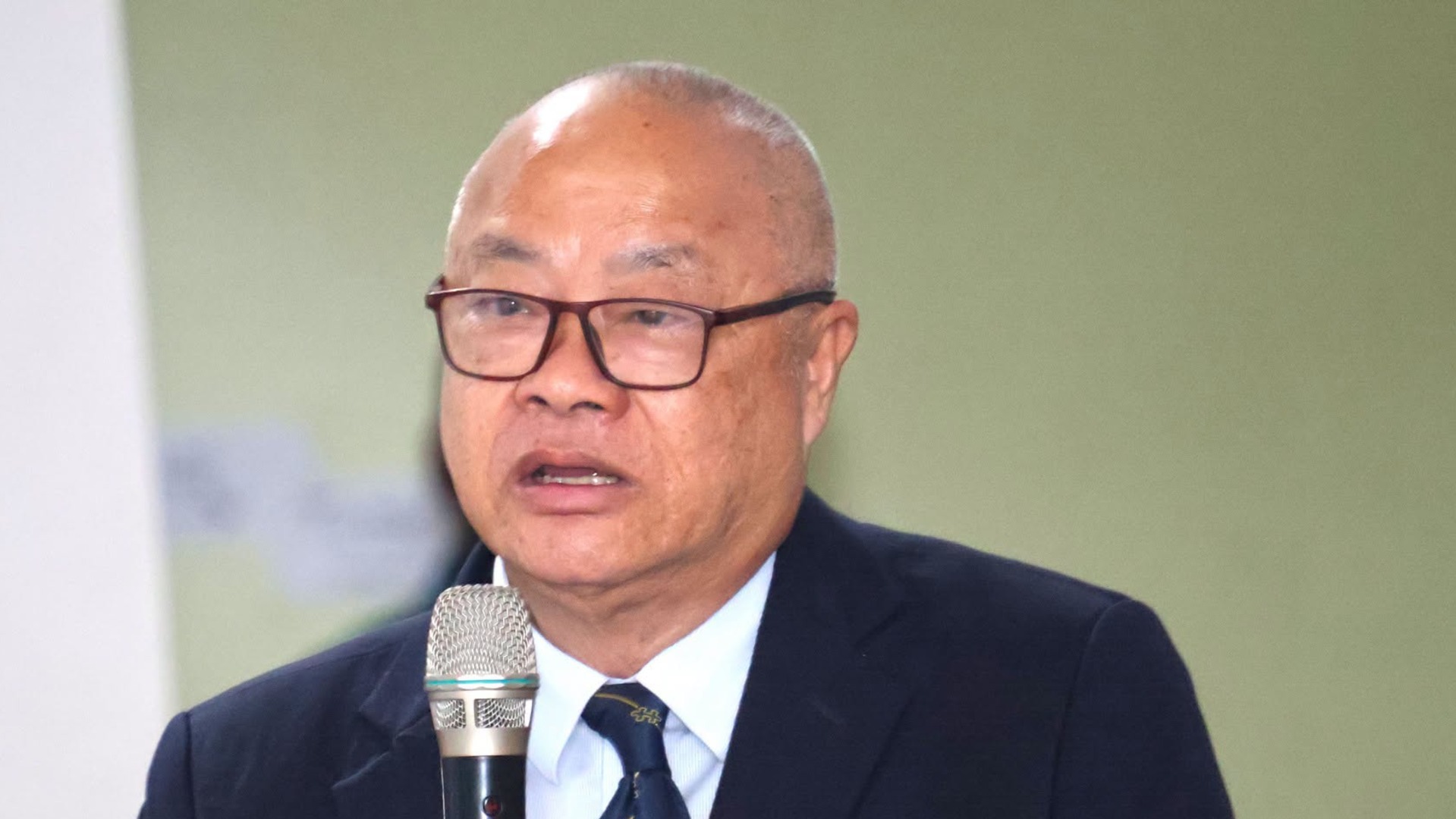
While making their submission to the Special Parliamentary Committee on the Constitution Amendment Bill, Law Society President Graham Leung says, frankly, the people of this country are suffering from coup fatigue.
He says they are sick and tired of the constant changes to the supreme law, and rather than being a vehicle for national unity, the Constitution has become a fountain of division and discord.
Leung says coups, the country’s preoccupation with constitutional reform and dysfunctional governance since independence have come at a heavy price.
He adds that the people of this country are crying out for water to reach their villages, health centres that stock vital medicines and roads without potholes.
He asks how much longer they have to wait.
Addressing the immunity clause, the Society President says that, consistent with the opinion of the Supreme Court, they accept the Court's reasoning in recognising previously granted historical immunities.
He says their position is that permanent constitutional immunity from legal accountability sits uneasily with the principles of constitutional supremacy, equality before the law and the rule of law.
He further says they refer to the following paragraph from the Supreme Court opinion:
“[229] Given that unamendable immunities have now been a feature of Fiji’s constitutional history for the last 35 years and are not inconsistent with international practice and, very importantly, the particular Fijian context, it would not be right to withhold recognition of them in this case.”
Leung also says the Society supports separating FICAC's investigative and prosecutorial functions.
He says section 115 should be amended so that FICAC's constitutional mandate is confined to investigations.
He adds that prosecutorial authority should remain exclusively vested in the ODPP under section 117.
On the military and the primacy of civilian authority, Leung says the Society considers the constitutional relationship between civilian government and the military to be a matter of fundamental constitutional importance.
He says section 131 should be amended to affirm unequivocally the primacy of civilian democratic authority over the military.
The Society President says the military's principal constitutional function should concern the defence of Fiji against external threats.
He adds that the constitutional position should leave no ambiguity that the military serves the constitutional order and remains subordinate to democratically constituted civilian authority.
