The government is concerned by the continued delaying tactics by the Fiji Hotel and Tourism Association (FHTA), and a small number of industry players over the implementation of the five percent Tourism Services Tax (TST).
In a statement, Minister for Finance Esrom Immanuel says the government has engaged with the Association and key tourism industry stakeholders since June to discuss the introduction, application and implementation of the Tourism Services Tax.
He says they have also provided the industry with additional time to prepare for the new measure, with the implementation date moved from 1st July to 1st August, and subsequently to 1st September.
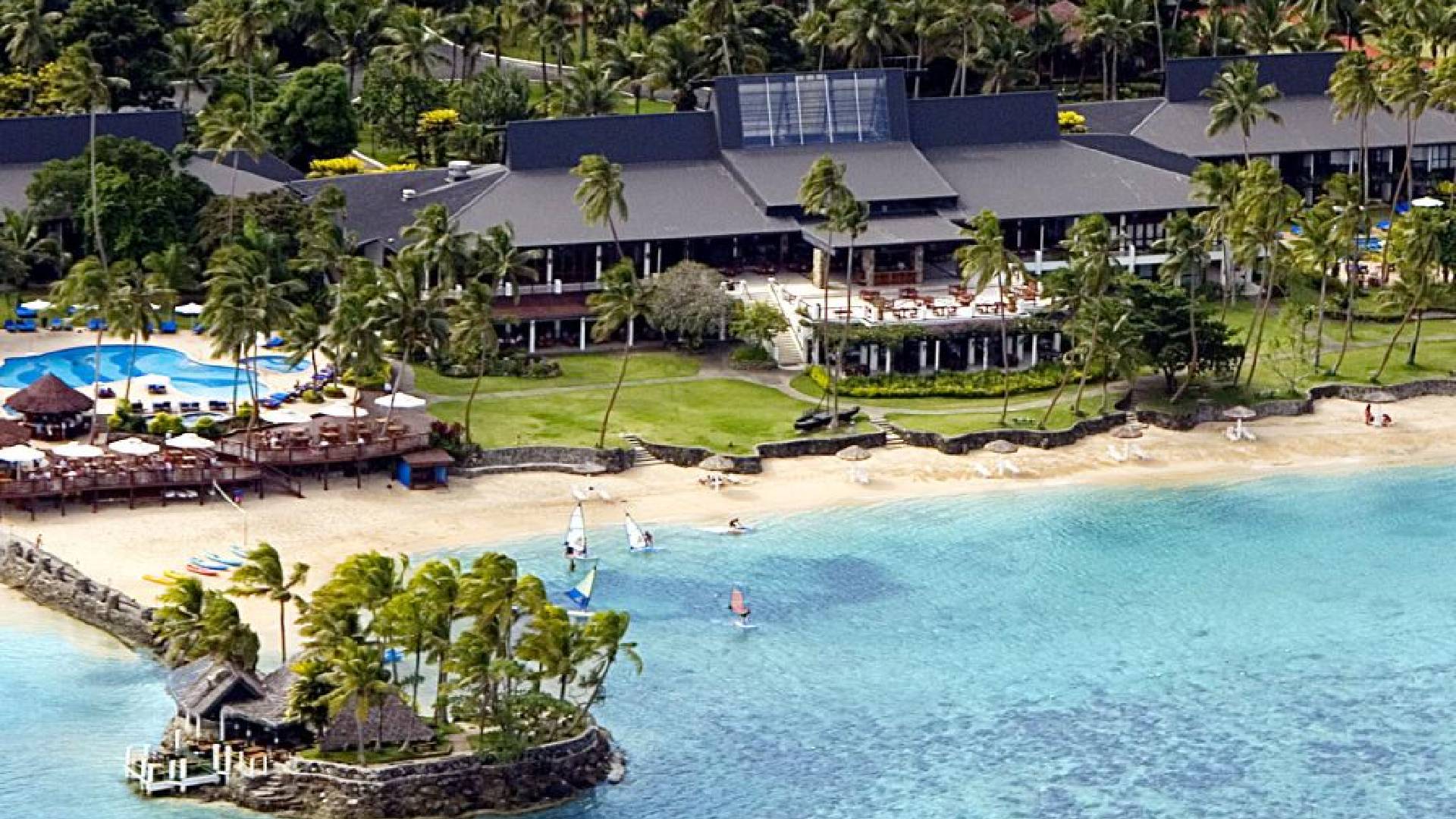
[Warwick Fiji Resort & Spa]
Immanuel says the extensions were provided in good faith to allow the industry sufficient time to prepare its systems, communicate with customers and ensure compliance.
However, he says the government is concerned that some industry players, with the support of the Fiji Hotel and Tourism Association, continue to create negative publicity around the Tourism Services Tax and its implementation.
The Minister says the Government believes these actions risk undermining a measure that is in the broader interest of Fiji’s tourism industry and the national economy.
He says the five percent Tourism Services Tax was introduced as part of the Government’s broader efforts to support Fiji Airways, which is critical to the survival and growth of Fiji’s tourism industry.
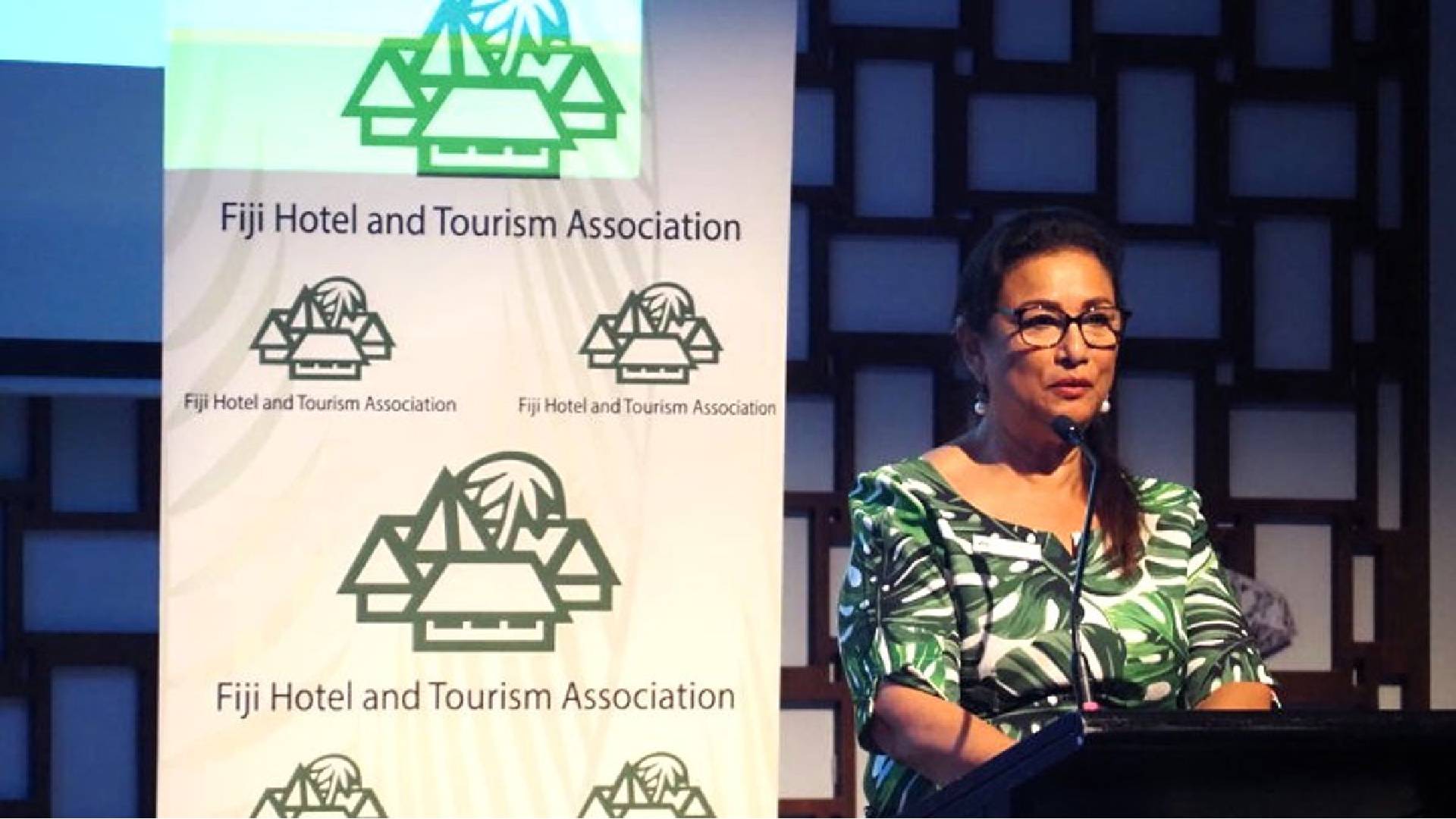 [FHTA CEO Fantasha Lockington]
Immanuel says tourism contributes approximately 40 percent of economic activity, generates nearly $3 billion in foreign exchange earnings and supports thousands of jobs, businesses and livelihoods throughout Fiji.
He says Fiji Airways is the national carrier and a critical gateway for international visitors, and the strength of Fiji’s tourism industry is directly linked to the strength and financial sustainability of the national airline.
He adds that the government has taken significant measures to support Fiji Airways during a period of unprecedented international, fuel price and financial pressures, and the Tourism Services Tax is one component of that broader support.
The Finance Minister says the industry should recognise that protecting Fiji Airways means protecting the connectivity on which hotels, resorts, tour operators, restaurants, transport operators, cruise services and other tourism-related businesses depend.
Immanuel also says the current debate around taxation should be put into perspective.
He says for many years, the tourism industry has benefited from significant tax holidays, duty concessions and other incentives designed to encourage investment and support the development of the sector.
He says many hotels and tourism service providers have received tax holidays ranging from 13 to 20 years, along with various duty concessions and other forms of Government support.
He adds that the industry also benefits from taxpayer-funded tourism marketing and other public investments that help promote Fiji as a destination and support visitor arrivals.
Immanuel says the entire tourism industry currently contributes only around five percent of the total corporate taxes collected by the government, while the other 95 percent is paid by non-tourism sectors.
 [Grand Pacific Hotel, Suva]
He says while the government recognises the importance of tourism and the investment the industry brings to Fiji, the industry must also recognise its responsibility to contribute to the wider national effort when the country and its critical tourism infrastructure require support.
The Minister says under the previous Government, the tourism sector was subject to a combined 16 percent turnover-based tax through the 10 percent ECAL and six percent STT, which remained in place for a number of years.
He says the current Tourism Services Tax is five percent, is turnover-based and is being introduced as a temporary measure for 12 months.
Immanuel adds that the current measure is significantly lower than the previous combined tourism turnover taxes.
He says the government has also deliberately designed the measure to focus on larger tourism operators, ensuring smaller businesses are not unnecessarily burdened.
Immanuel says the government has listened to the concerns of the industry and demonstrated flexibility by providing additional time for implementation.
He says the government remains willing to address practical issues and clarify matters where necessary.
However, he says the tourism industry must now work constructively with the Government to implement the Tourism Services Tax rather than continue attempts to delay or undermine it.