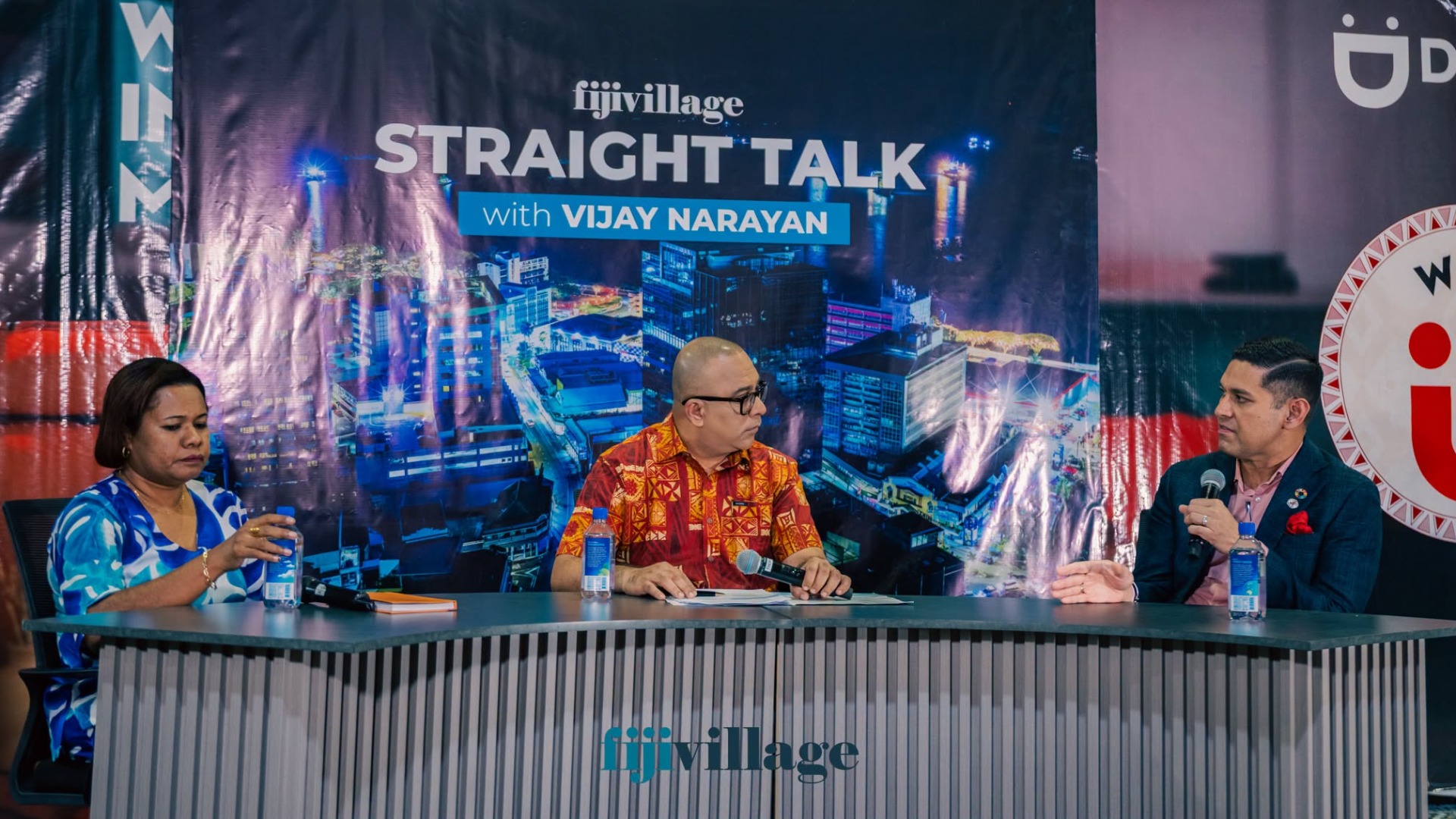
48 percent of people who are now becoming infected with HIV are associated with high-risk drug use, with people who inject drugs and share needles and syringes at risk of HIV transmission if one person is HIV positive.
This was highlighted by the Chairperson of Fiji's National HIV Outbreak and Cluster Response Task Force Dr Jason Mitchell during fijivillage Straight Talk with Vijay Narayan while discussing the HIV epidemic in Fiji.
Dr Mitchell stresses that drug use itself does not lead to HIV, but rather the risky practices associated with drug use.
Dr Mitchell also says Fiji is seeing younger people becoming infected through practices associated with intravenous drug use, with cases being reported from the age of 10 onwards.
Insert:Dr Mitchell on stats 27th June
Dr Mitchell says one of the key prevention interventions being pursued is the introduction of a needle and syringe programme.
He says there is currently no formal needle and syringe programme in Fiji, and the Government has made a serious commitment to introducing one as soon as possible.
Dr Mitchell says the task force is preparing Cabinet papers for the Minister to seek Cabinet approval for the programme.
He says people often think a needle and syringe programme is simply about distributing needles and syringes, but he says it is much more complex than that.
Dr Mitchell says it involves understanding people who inject drugs, understanding their needs, determining how needles and syringes should be distributed, identifying the types of needles and syringes that should be provided, deciding how used needles and syringes will be safely disposed off, and developing an education programme around the initiative.
He says a needle and syringe programme is one element of an effective harm reduction programme.
Dr Mitchell says effective harm reduction programmes, rehabilitation programmes for people who no longer want to use drugs, biological interventions such as pre-exposure prophylaxis (PrEP), strengthening post-exposure prophylaxis (PEP), and needle and syringe programmes are all essential interventions in responding to Fiji's HIV outbreak.
He says the Government is already ensuring the resources needed to support these new programmes are procured so they are ready once the necessary approvals are received.
Dr Mitchell also says there is strong support for the proposed needle and syringe programme.
He says following a meeting with the Police Commissioner and the senior leadership team, Police are supportive of the programme, adding that Police are essential allies in an effective public health harm reduction programme.
Dr Mitchell says the task force is encouraged by the support from Government and its partners and hopes a needle and syringe programme will be underway in Fiji from January next year.
Meanwhile, in the 2026/2027 National Budget, the Government allocated $12 million towards the national HIV response, which will include efforts to combat drug use, expand awareness campaigns, procure HIV medication, strengthen testing and treatment, and invest in healthcare workforce capacity and preventive measures.
