A disturbing surge in child sexual assault cases is emerging from the Fiji Police Force’s Forensics DNA Laboratory, with scientific officer Eta Kedrayate revealing that infants, toddlers and even children as young as 8-years-old are now appearing in both victim and offender statistics.
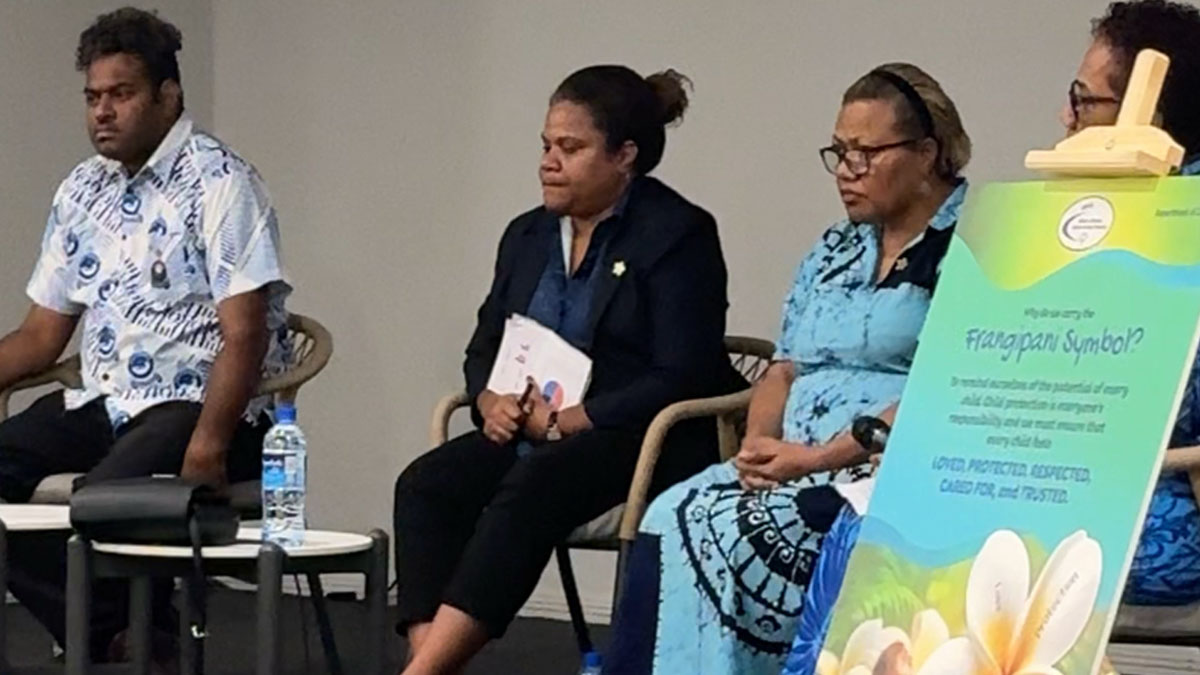
Kedrayate, who spoke during the Symposium on Child Sexual Abuse in Fiji at the Novotel Conference Room in Lami, says the severity and nature of cases handled by the laboratory point to a deepening crisis.
She says in 2024, the lab received 121 cases, of which 70 were child sexual assault cases, more than half of the total.
Of these 70 victims, 63 were girls and seven were boys.
Kedrayate says the figures for 2025 are still incomplete but are expected to climb further.
She says the youngest victim in 2024 was just four months old, while the youngest recorded this year is three years old.
Kedrayate says the youngest offender in 2024 was eight, while this year’s youngest offender is 15, indicating an alarming trend of perpetrators becoming younger.
She also outlined troubling challenges faced by forensic teams and medical staff when handling child victims.
Kedrayate says young children are unable to verbalise what happened to them, unlike adult victims who can describe events, injuries or how their clothing was disturbed, which makes it harder for examining officers to know where to focus during medical assessments.
Another major concern is the lack of specialised training among medical officers.
Kedrayate says many are reluctant or afraid to handle sexual assault cases due to the legal implications and the fear of being called to give evidence in court.
Although they are confident in routine medical duties, she says the legal component of sexual assault cases can be daunting.
As a result, some medical officers have refused to examine victims, claiming they are not trained, leaving cases with no forensic evidence collected.
Kedrayate adds that extensive training has been carried out to address these gaps, supported by UNICEF, which also helped procure sexual assault evidence kits.
She says these kits include instructions to guide doctors through examinations, streamlining the process for victims.
However, she says this support is uneven.
Doctors in smaller hospitals have more time to work through the kits properly, but medical officers in major hospitals in Suva and Lautoka are overwhelmed with heavy caseloads.
Victims often wait for hours before a doctor is free to examine them.
Kedrayate says these systemic challenges contribute to delays, missed evidence and further trauma for victims.
She says the rising number of cases, the young ages of victims and offenders, and the lack of capacity within the system all point to an urgent need for strengthened training, resources and support services for both victims and frontline responders.