New regulatory controls have been introduced for all kava being imported into Fiji to reduce the risk of contaminated, adulterated or poor-quality kava entering the local market.
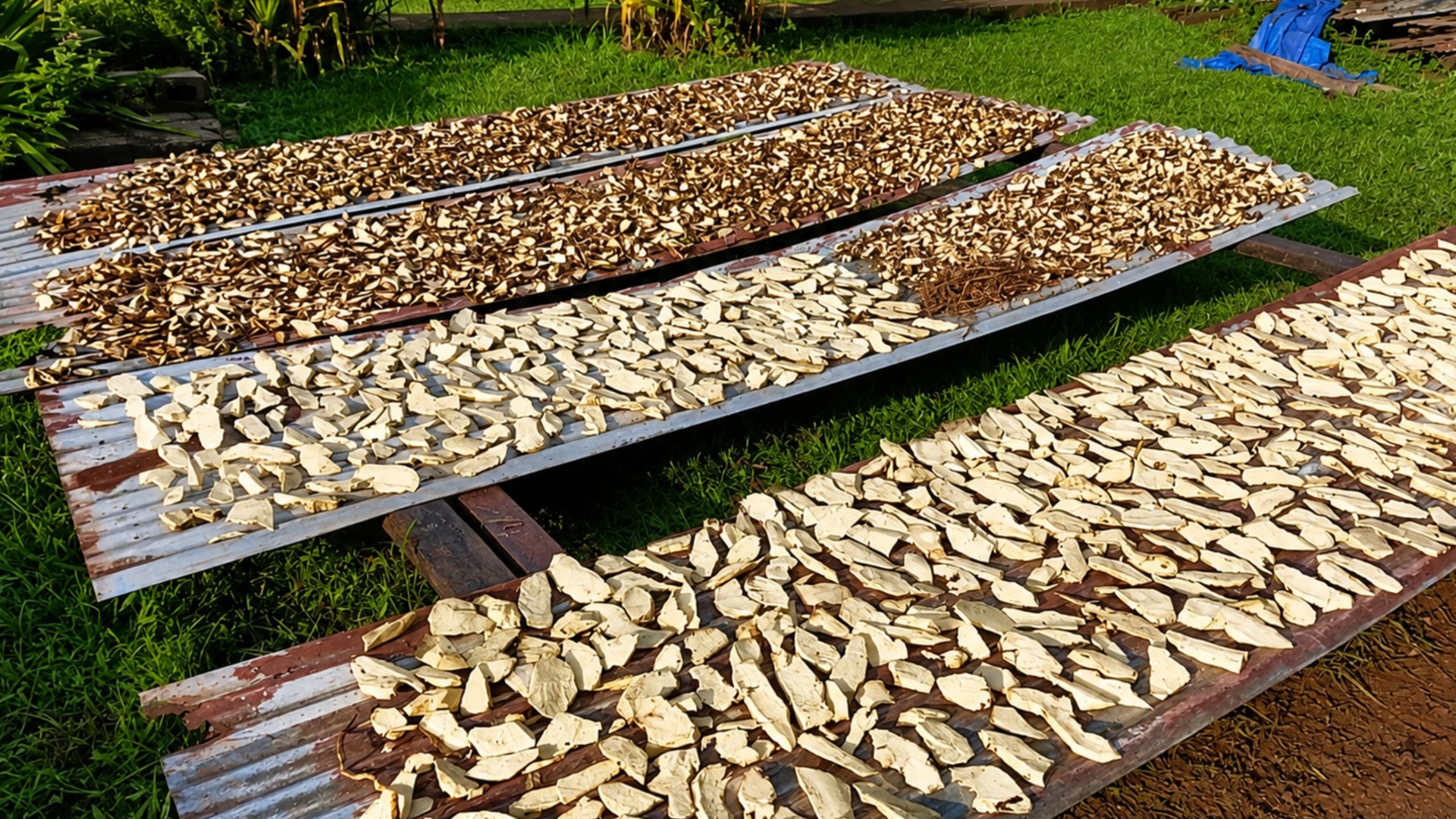
The Ministry of Health and Medical Services, through the Central Board of Health, says the measures are effective immediately and apply to all imported kava, including raw roots, chips, pieces and processed and powdered kava, raw material for further processing,
kava intended for local sale or re-packing and export; or for pharmaceutical processing.
The Ministry says the standardized import clearance framework is being enforced under Section 24(5) of the Food Safety Act 2003, which gives the Central Board of Health the authority to impose mandatory public health conditions on imported food.
They say all imported kava will now have to comply with national safety requirements under the Food Safety Act 2003, Food Safety Regulations 2009 and the Fiji Kava Standard 2017.
Importers are required to obtain and verify official import permits before kava consignments arrive at Fiji's ports of entry.
They must also provide complete traceability documents, commercial invoices and declarations of origin to border health authorities.
The Ministry says shipments will also be subject to chemotype and microbiological testing to confirm they are safe, unadulterated and suitable for human consumption.
It says any shipment that fails to meet the required documentation or testing standards may be detained at the border, seized or destroyed at the importer's expense.
The Ministry is urging importers, wholesalers, traditional traders and border logistics partners to work with environmental health officers to ensure compliance with the new requirements.