Consultation on the Fiji National University Bill 2026 will begin soon, following its referral to the Parliamentary Standing Committee on Justice, Law and Human Rights after the second reading.
The Bill, tabled by Prime Minister Sitiveni Rabuka in Parliament, proposes changes to the governance structure of the Fiji National University, greater financial powers for the university, an employer levy to support education and training, and stronger accountability measures have been proposed under the Fiji National University Bill 2026.
The Bill seeks to replace the existing FNU Act 2009 and establish a new framework for the university's governance, management, academic freedom, financial operations and workforce development.
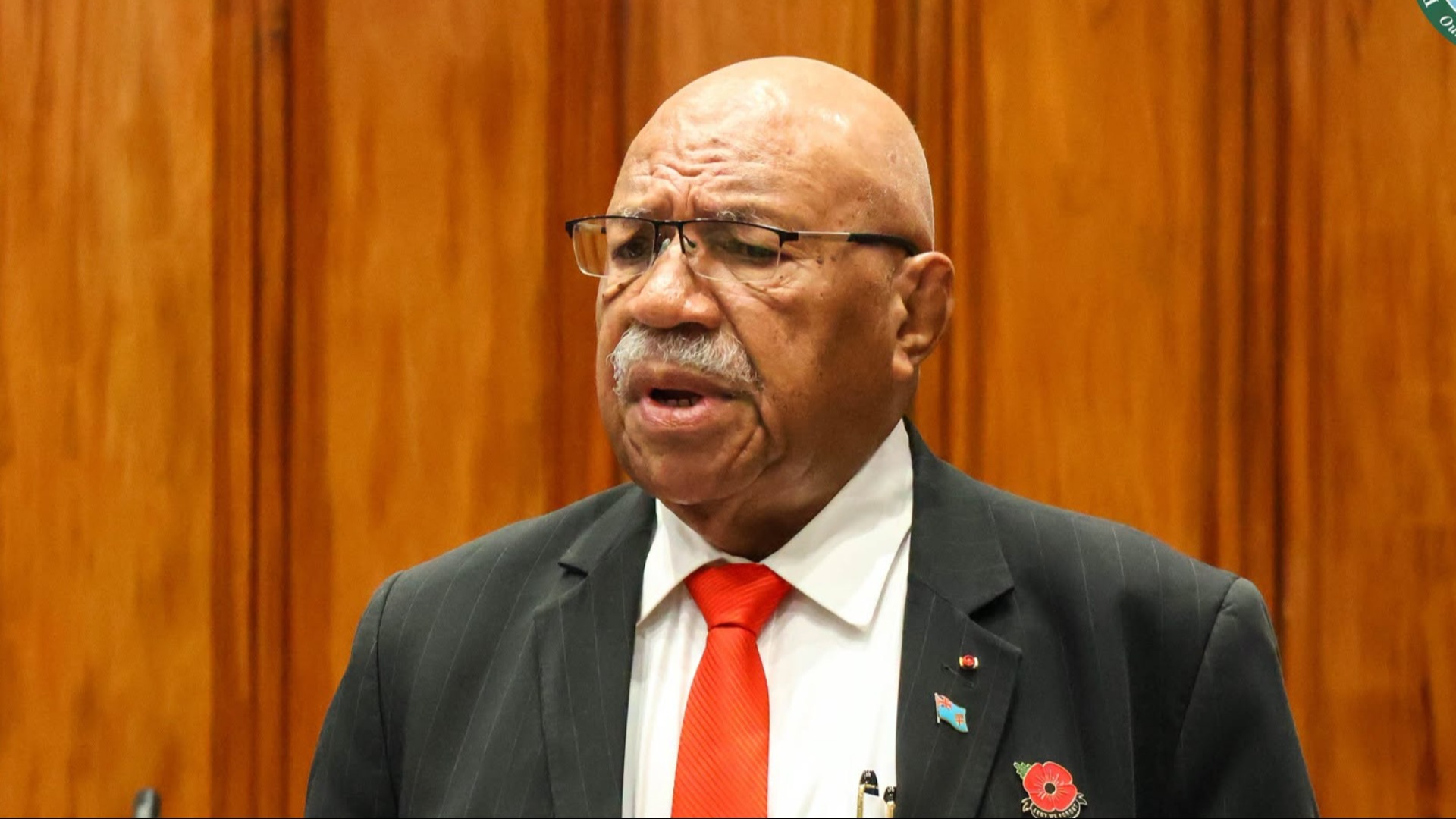
While tabling the Bill for its second reading, Rabuka says it will strengthen university autonomy and accountability while supporting academic excellence and national development.
He says the Bill establishes a clearer governance structure with defined roles and responsibilities for the Council, Senate, Vice-Chancellor and other statutory bodies.
Rabuka says the legislation will also allow FNU to manage its academic, administrative and financial affairs independently, including borrowing, investing and entering into public-private partnerships.
He says the university will also be able to solicit funds through gifts, donations, contributions, levies, fees, loans and investments to become less dependent on Government grants.
The Prime Minister says the Bill also protects academic freedom by allowing students to question and test received wisdom, advance new ideas, express controversial and unpopular opinions, and engage in research and publication.
Opposition MP Premila Kumar has raised concerns that the proposed changes could give the Government greater control over FNU rather than strengthen its independence.
Kumar says under the proposed Bill, the Minister would appoint 19 of the 25 Council members, compared with at least 15 of the 25 seats under the current Act.
Kumar also says the Bill reduces academic representation in the Senate, with members appointed by the Council on the Vice-Chancellor's recommendation rather than elected by their peers.
She says the Council would also have the power to revoke their appointments at any time.
Kumar further raises concerns about the financial powers given to FNU, including international borrowing, share acquisitions, joint ventures and takeovers of other institutions.
She says the Bill does not establish clear borrowing limits or expressly require approval from the Minister of Finance for these activities.
Kumar says the proposed employer levy also needs a defined limit, proper consultation with employers and transparent reporting on how the money is collected, allocated and spent.
She also questions FNU's proposed role in collecting the levy, regulating training providers, delivering its own training programmes and awarding training grants, saying this creates a potential conflict of interest.
Kumar is calling for the Bill to be referred to the Standing Committee for consultation with FNU management, staff, students, employers, unions and the Higher Education Commission.
She says there is merit in strengthening university governance, improving financial management and ensuring leadership accountability, but these objectives must be supported by the right principles.
Kumar says a strong university requires an independent council, strong leadership requires accountability, sustainable funding requires transparency, and quality education requires academic freedom.
The debate on the Bill continues.