Fiji lost a significant number of senior medical specialists and future healthcare leaders following the coups, with political instability leaving major gaps in the country's healthcare system.
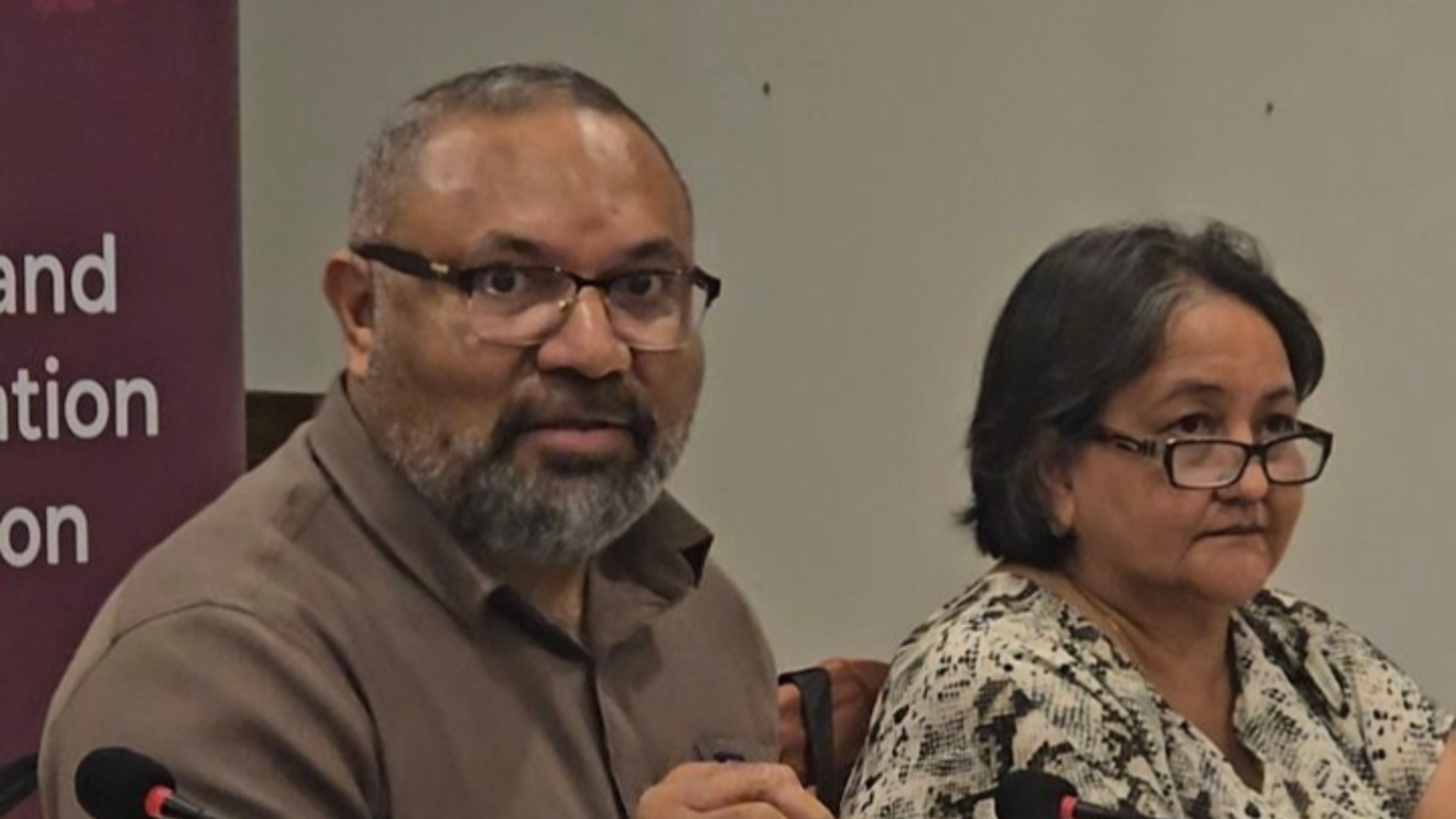
Fiji National University's Acting Pro Vice Chancellor Research and Innovation, Dr Donald Wilson highlighted this during the Fiji Truth and Reconciliation Commission's Expert Hearing on the health sector.
Dr Wilson says according to the health sectoral impact assessment report synopsis submitted to the Commission, many senior clinicians left Fiji shortly after the 1987 coup, with some receiving job offers from Australia and New Zealand within the same week.
He says within two months, many experienced doctors had already left the country.
Dr Wilson says the impact was particularly severe outside Suva, where one hospital subdivision serving about 65,000 people saw its medical workforce drop from 17 doctors to just two.
He says the two remaining doctors had to manage the entire workload for three months.
Dr Wilson says some doctors left not out of fear, but because they felt demoralised, angry and betrayed.
He says subsequent political events also led to the departure of doctors undergoing specialist training, who were expected to become Fiji's next generation of medical leaders.
Dr Wilson says this created what the report describes as a "hollow middle", where hospitals had senior management and junior doctors but lacked experienced middle-level clinicians.
He says this resulted in junior doctors being promoted to senior positions without adequate preparation or management training.
The report also highlights the impact on medical education, with most teaching staff leaving Fiji's medical school following the 1987 coup.
Some students he says were transfered to the University of Papua New Guinea, while others faced limited teaching and clinical training opportunities.
Dr Wilson says Fiji also began losing its regional role in medical education as Pacific countries increasingly turned to Australia and New Zealand for training.
However, he says the development of the Master of Medicine programme was a significant achievement, allowing doctors to complete specialist training in Fiji rather than spending five years overseas.
The programme later expanded into a Pacific-wide initiative.
Dr Wilson says despite this achievement, the departure of medical professionals gradually became normalised.
He stresses that the greatest loss was not only the doctors who left following the coups, but the potential loss of 20 to 30 years of medical leadership and specialist development within Fiji's healthcare system.