More than 140 years after the tragic wreck of the Syria off the coast of Fiji, two academics from the University of the South Pacific have restored the names and identities of Indian indentured labourers who perished in one of the darkest chapters of Girmit history.
In a special presentation titled “The Wreck of the Syria, 1884: Naming the Dead,” Associate Professor Margaret Mishra and Professor Sudesh Mishra revisited archival records and historical documents to reconstruct the identities of those lost at sea.
USP says Presented as part of Girmit Day commemorations, the research challenges long-held assumptions that colonial authorities kept no record of the deceased indentured labourers aboard the Syria.
The University says drawing on departure and arrival documents housed in the National Archives of Fiji, the scholars used deductive historical analysis and archival reconstruction to shed light on individuals whose names were believed to have been lost to history.
Associate Professor Margaret Mishra described the project as both an intellectual pursuit and a moral obligation.
She says this research began as an archival search, but it soon became an ethical responsibility to name and mourn Syria’s dead and bring closure to a catastrophic event that has loomed darkly over the Fiji indenture story for 142 years.
Reflecting on the breakthrough moment in the archives, she says when she flipped past the final numbered pass at the National Archives of Fiji, she found the unnumbered passes arranged ascendingly by ship number at the end of the pile.
Professor Sudesh Mishra says the project represents a powerful act of remembrance and historical restoration.
He says for 142 years, the dead of the Syria remained unnamed in history and by invoking their names, we mourn them, we memorialize them, so as to let them go.
He further emphasised the deeper meaning behind the work, noting that we have lived in a state of melancholia for 142 years.
Professor Mishra says they now want to properly mourn the dead by invoking their names in a ceremony of farewell.
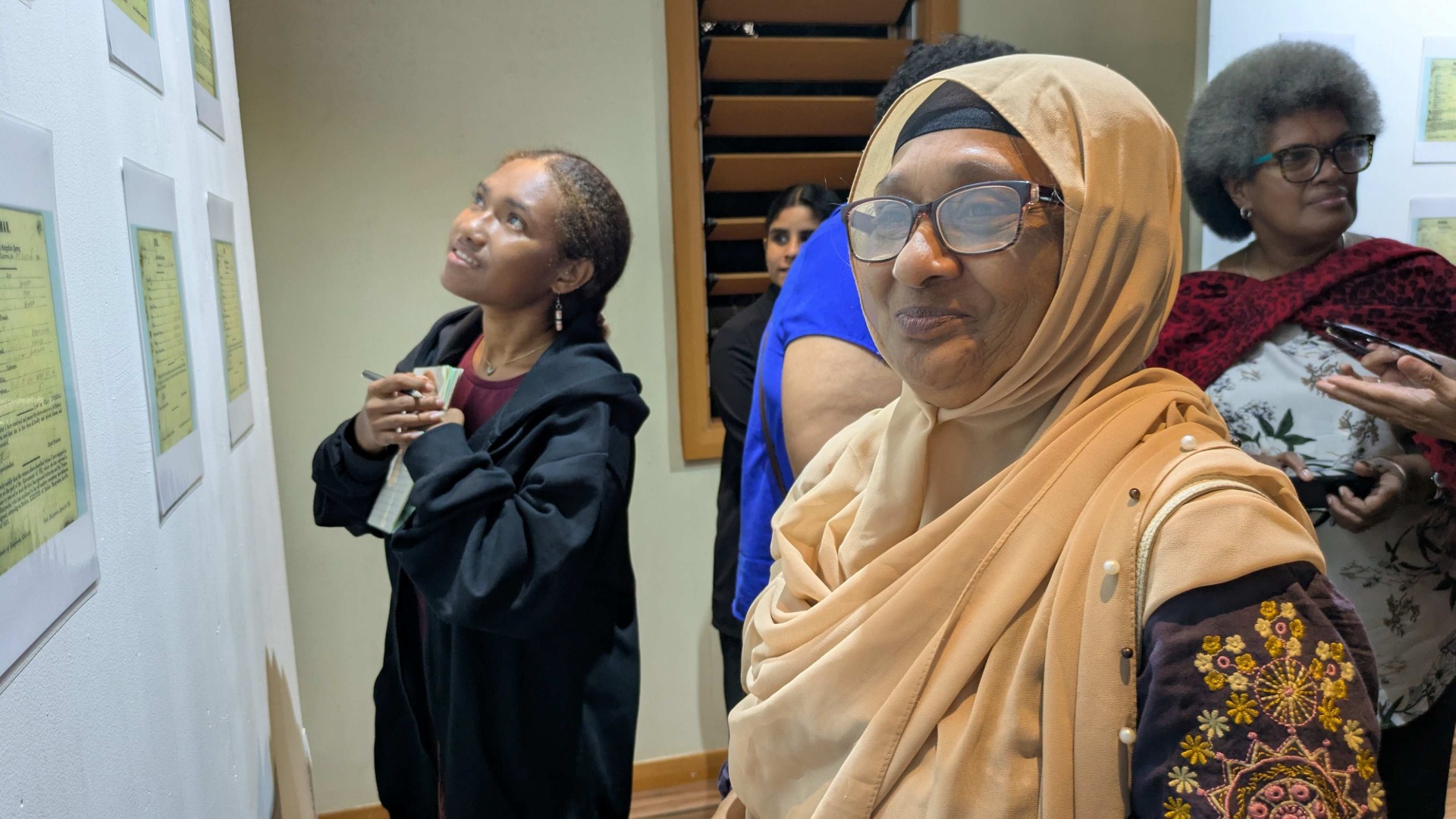
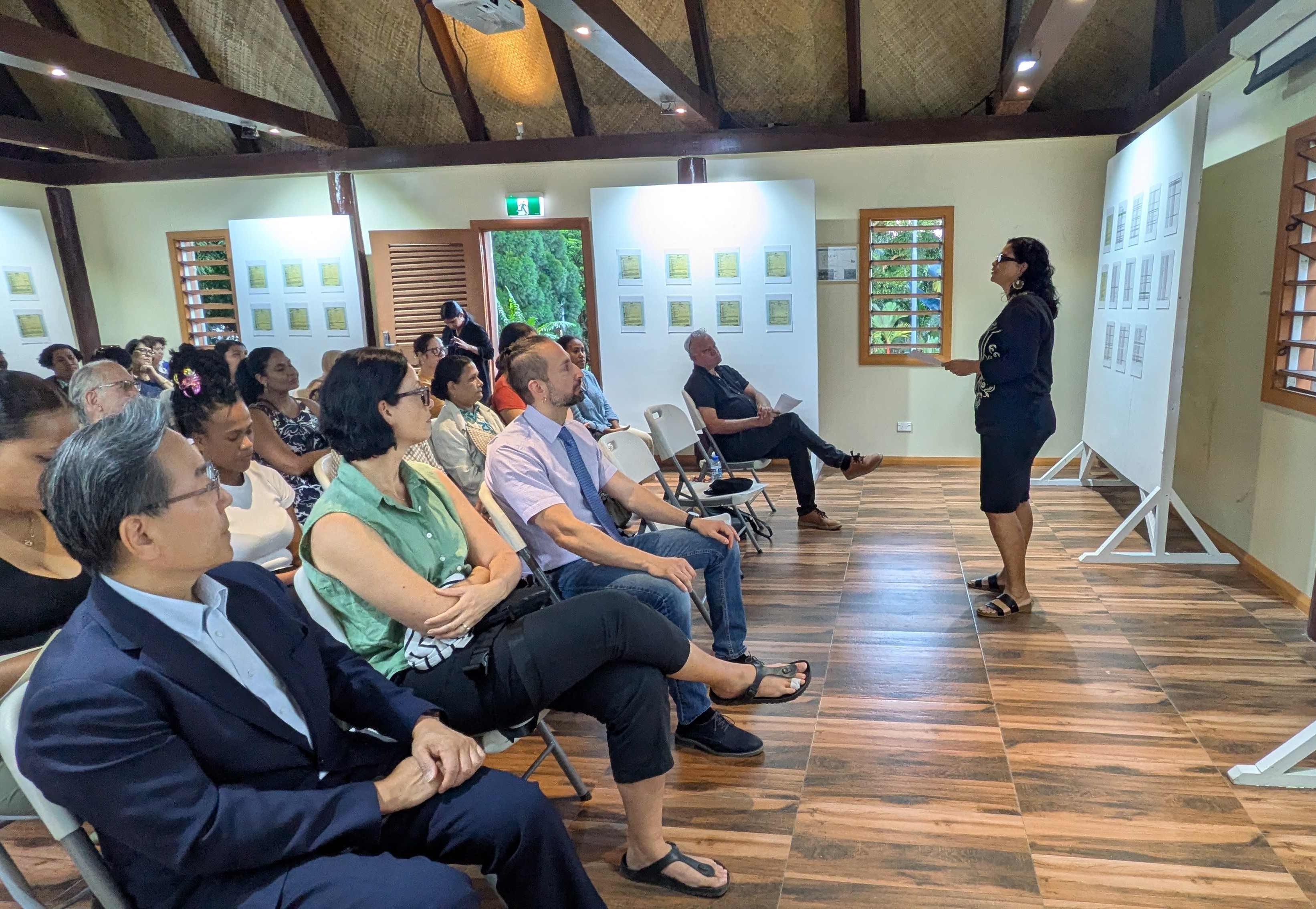
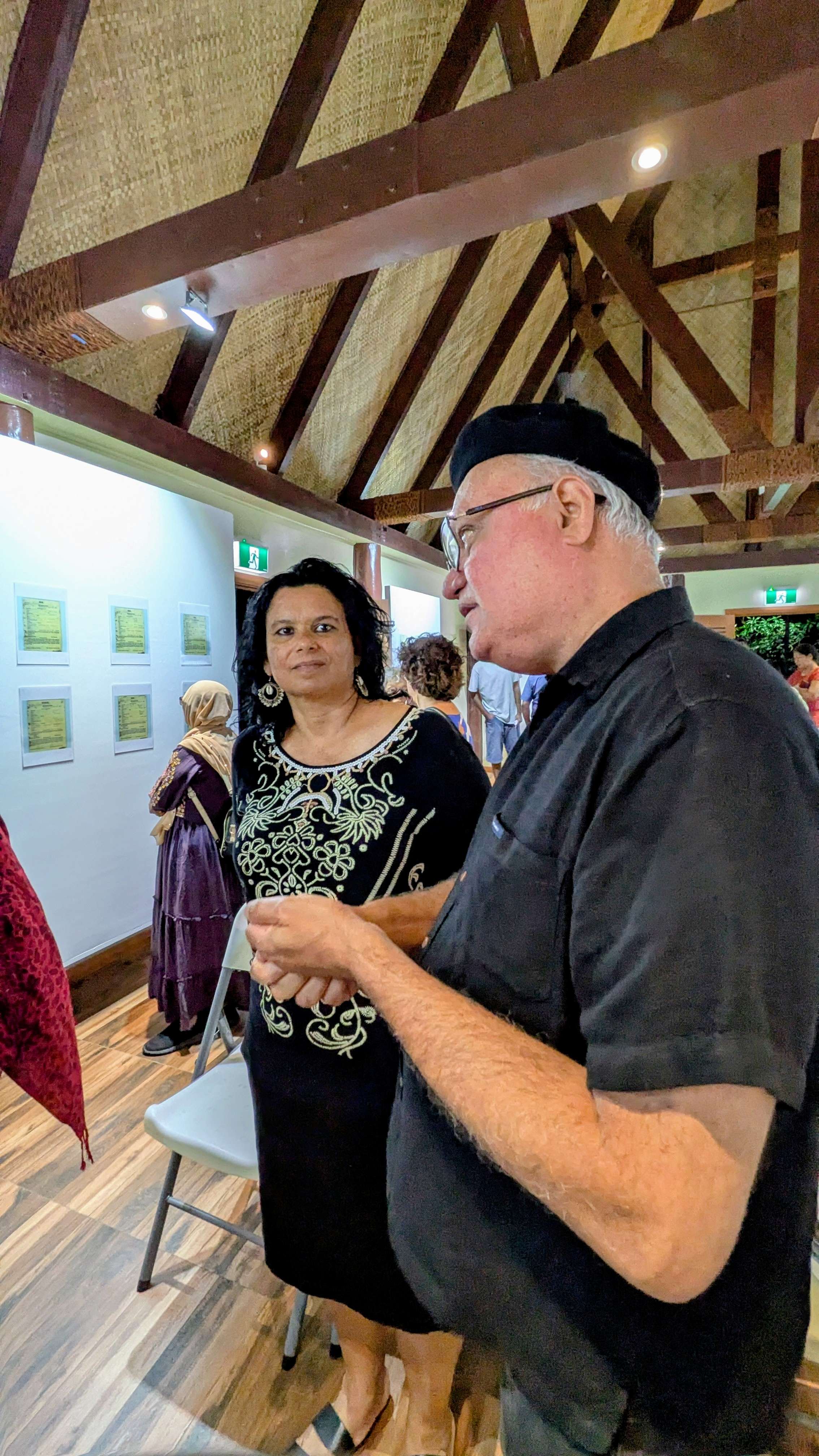
The event concluded with a recitation of the names of those believed to have perished in the wreck, alongside an exhibition of Emigration Passes and Ship Numbers connected to the deceased.
USP says as Fiji prepares to observe Girmit Day on 14 May, the research highlights the role of scholarship, storytelling, and cultural inquiry in preserving the legacy of the Girmitiyas and ensuring their experiences remain part of the national consciousness.
They say at USP, Girmit history continues to be explored through interdisciplinary research across literature, history, governance, ethics, and cultural studies.
The university says through public lectures, archival projects, creative writing, and community engagement, they provide a platform for Pacific scholars to examine the enduring social, cultural, and political impacts of indenture on Fiji and the wider region.
They say the work by Associate Professor Margaret Mishra and Professor Sudesh Mishra highlights the connection between academia and cultural preservation and by combining archival research with literary and historical interpretation, the scholars are helping to reclaim voices overlooked in colonial records and reaffirming the importance of memory, identity, and belonging within Pacific histories.
USP adds the research forms part of ongoing efforts by USP scholars to preserve and deepen the understanding of Girmit history and its enduring legacy in Fiji and the wider Pacific.
The name, age and caste breakdown as follows:
1. Two Thakurs (warrior caste): Jewni (18 months) and Umtha (32)
2. Two Mathurs (scribes, administrators, record keepers); Arbothee (20) and Pursa (24)
3. Four Kahars (middling agricultural and artisanal caste): Joymungal (22), Changoor (32), Gangoo (30) & Ramdin (18)
4. One Lodhi (middling as above): Murma (24)
5. Four Jats (middling as above): Dhoopoo (25), Kokla (8), Khealee (3) and Talim Singh (24)
6. Three Koris (middling as above): Jewni (22), Luchia (21) and Harlaul (21)
7. Two Chamars (leather workers): Teja (20) and Gurbhoo (30)
8. One Nai or Nao (barber caste: middling as above): Pehagwardas (21)
9. Three Brahmins (high priestly caste): Saligram (25), Boykunt (28) and Sittul (20)
10. Four Kurmis (middling): Rosuna (22), Unshee (6 months), Basmotee (30) and Goopter (25)
11. One Jwala (Bania, Khatris): Motee (34)
12. Two Boistub (Jat-Vaisnavas of Bengal): Rujluckhu (3) and Murree Dossee (25)
13. One Kunbi (middling): Sabba (22)
14. Three Dosads (Dusadhs) (low menial caste): Supam (28), Pokni (6 months) and Toosea (5)
15. Three Musulmans (included as caste): Shaik Eddoo (28), Rohimboy (15 months) and Pirbocus (22)
16. Five Musahers (dalit or rat-catcher caste): Boodhia (6), Gungiah (30), Hilimon (18 months), Jhakur (39) and Boodna (3 and half years)
17. One Dhobi (washer caste): Ramphul (25)
18. One Tanti: (weaver caste): Ramoo (26)
19. One Bagdee (indigenous tribal caste in West Bengal linked to fishing and cultivation)): Kutty (30)
20. Three Kandus (Baniya or Vaishya or trading caste): Etwari (25), Toosow (32) and Koonjoo (12 months)
21. One Rajwar (menial caste): Pathoa (16)
22. One Kewat (middling caste): Batasee (24)
23. Two Gowlas (middling): Mongra (4) and Koylash (25)
24. One Relli (caste of foragers, grass venders, fruit and seed pickers): Badapa Lutchigada (40)
25. One Telaga (middling cultivators, soldiers): Pootia (7)
26. One Caste Identity Illegible: Parsadi (20)