Whether it is a mother seeking healthcare for her child, a farmer needing assistance after a natural disaster or an elderly person waiting for support, public servants must remember that their decisions affect real people.
This is the message from Fiji Human Rights and Anti-Discrimination Commission Commissioner Alefina Vuki, who says decisions public servants make every day can significantly affect people's lives.
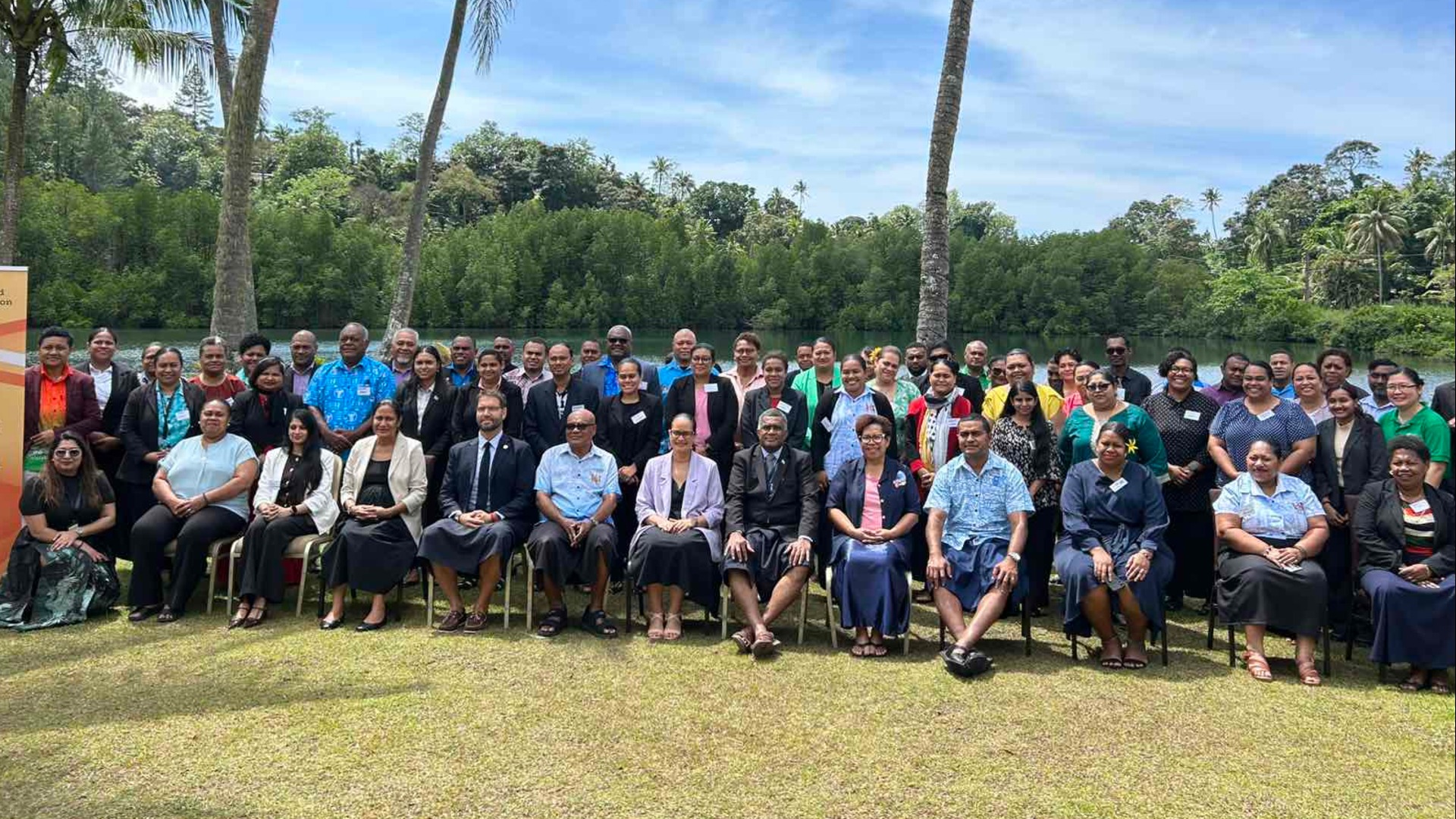
Speaking at the opening of the two-day Government Human Rights Training Workshop at the Novotel Convention Centre in Lami, Vuki says human rights are not only about laws and policies, but also about how ordinary Fijians are treated when seeking government services.
She says human rights are sometimes seen as a foreign concept unrelated to everyday life, when they are actually reflected in the experiences of people seeking assistance.
Vuki highlights the examples of a mother seeking healthcare for her child, a farmer applying for disaster assistance, a young person seeking a scholarship, a person with a disability accessing public services and an elderly citizen needing support.
She says these are the people behind government policies, procedures and paperwork.
Vuki stresses that decisions which may seem routine to public servants can make a significant difference to someone waiting in a queue, sending an email or making a phone call for help.
She says for many Fijians, a public servant may be the only government officer they ever meet, and that experience can shape their perception of government.
Vuki says this makes it important for every person seeking assistance to be treated with dignity, fairness and respect.
She also highlights human rights challenges facing Fiji, including violence and abuse, torture and inhumane treatment, access to healthcare, disability rights, child protection, drug-related problems and HIV and AIDS.
Vuki says government policies and the way public services are delivered can influence how these challenges are addressed.
She says the Commission has heard directly from communities through complaints, outreach programmes and public engagement about difficulties people face when accessing services.
However, Vuki also acknowledges the dedication of many public servants who work hard to assist members of the public.
She says most public servants want to do the right thing but may need additional training, awareness and practical guidance to improve service delivery.
Vuki stresses that the workshop is not about blaming public servants or adding to their workload, but helping them better understand how human rights apply to their daily responsibilities.
She is encouraging government officers to consider whether anyone is being left behind, whose concerns are not being heard and how public services can become more accessible and fair.
The two-day workshop, organised by the Fiji Human Rights and Anti-Discrimination Commission, aims to strengthen government officials' understanding of their human rights responsibilities.
It brings together representatives from government ministries, state-owned enterprises and statutory bodies, with support from international partners, including the United Nations Development Programme.
Vuki says the Commission hopes the training will help public servants make better decisions, strengthen public trust and ensure every Fijian is treated with dignity and respect.