The current water level at Monasavu Dam remains above the safe operating level, however with the possibility of an extended dry period, Energy Fiji Limited is conserving hydroelectric resources, increasing thermal generation capacity and putting contingency arrangements in place.
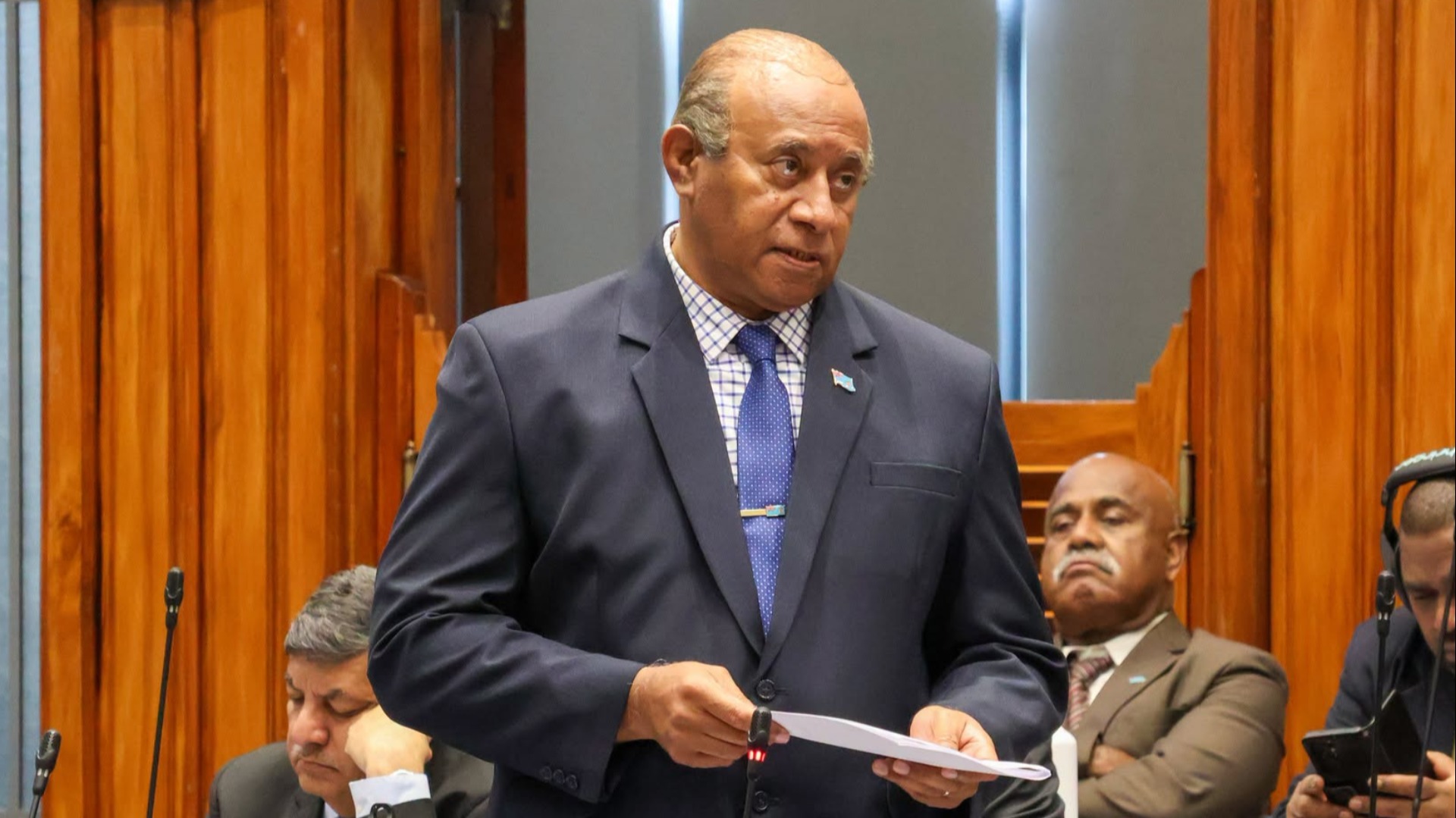
This has been confirmed by Minister for Public Works Ro Filipe Tuisawau while responding to a question in Parliament, where he says, as of Monday, the water level at Monasavu Dam stood at 732.20 metres, which is 17.2 metres above the safe operating level and 12.8 metres below the dam’s spill level.
He says Energy Fiji Limited currently has 295.07 megawatts of available generation capacity nationwide, comprising 117.33 megawatts of renewable generation and 177.74 megawatts of thermal generation.
When questioned how long normal hydroelectric generation could be maintained if rainfall remained below average, Ro Filipe did not give a timeframe.
He says contingency measures were in place as water levels fell, including the possibility of electricity rationing, with hospitals and other essential services prioritised.
Ro Filipe adds if water levels reached a critical point, Fiji would need to increase fossil fuel generation.
He is also urging households and industries to reduce electricity use, saying public awareness efforts had begun.
Ro Filipe says Fiji’s normal dry season generally runs from May to October.
However, the Minister says given the prevailing El Niño weather pattern, the Fiji Meteorological Service has advised EFL that dry conditions could extend until the end of 2026 or into the first quarter of 2027.
He says EFL has taken measures to protect the reliability of the electricity supply in a worst-case El Niño scenario.
Ro Filipe says since July 2026, EFL has adjusted its generation mix to conserve water at the Monasavu and Nadarivatu hydroelectric schemes, preserving stored water for when it is most needed.
He says as part of its contingency arrangements, EFL is procuring and installing 16 containerised diesel generators, each with a capacity of one megawatt.
Ro Filipe says together, they will provide an additional 16 megawatts and installation is scheduled between October and November 2026.
He says this capacity is intended to help meet growing demand and reduce the risk of electricity disruptions and their impact on the Fijian economy.
Ro Filipe says EFL also expects to commission three 10-megawatt heavy fuel oil generating units at Vuda from December this year which will provide an additional 30 megawatts of capacity and strengthen supply to Viti Levu in the short to medium term.
He confirms at the same time, EFL is progressing its transition towards renewable generation, particularly solar photovoltaic systems supported by battery energy storage systems, over the next two to three years.
He says two 10-megawatt heavy fuel oil generating units at Kinoya Power Station, with a combined capacity of 20 megawatts, were commissioned earlier in 2026.
Ro Filipe says heavy fuel oil is cheaper than industrial diesel oil, with the price difference ranging from about $600 to $2,300 per metric tonne in 2026.