Fiji cannot build a sustainable tourism industry if it continues to train skilled hospitality workers only to lose them overseas, with the Government acknowledging that better pay and opportunities are driving young Fijians abroad and saying more must be done to create rewarding careers that make staying in Fiji a worthwhile choice.
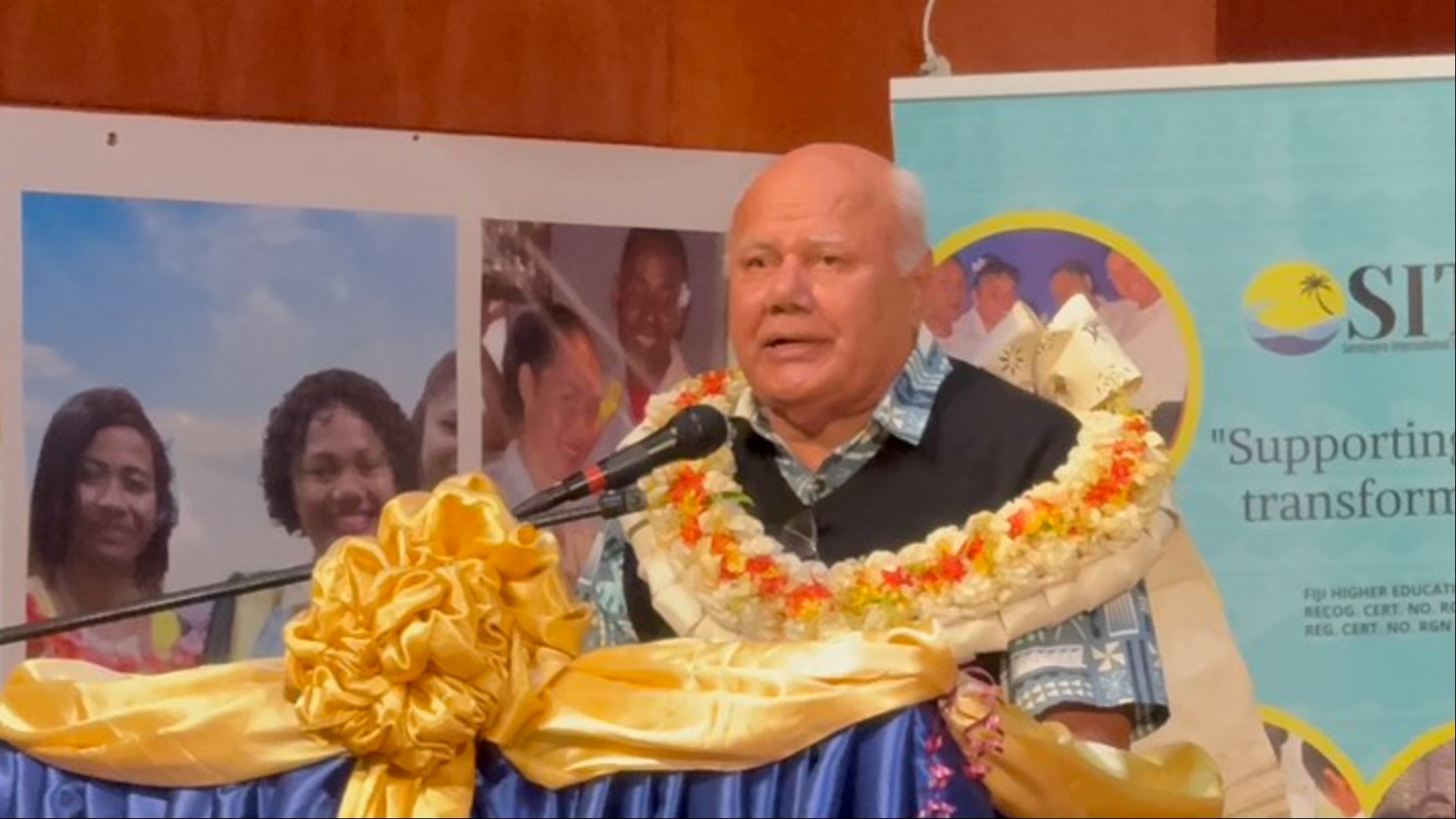
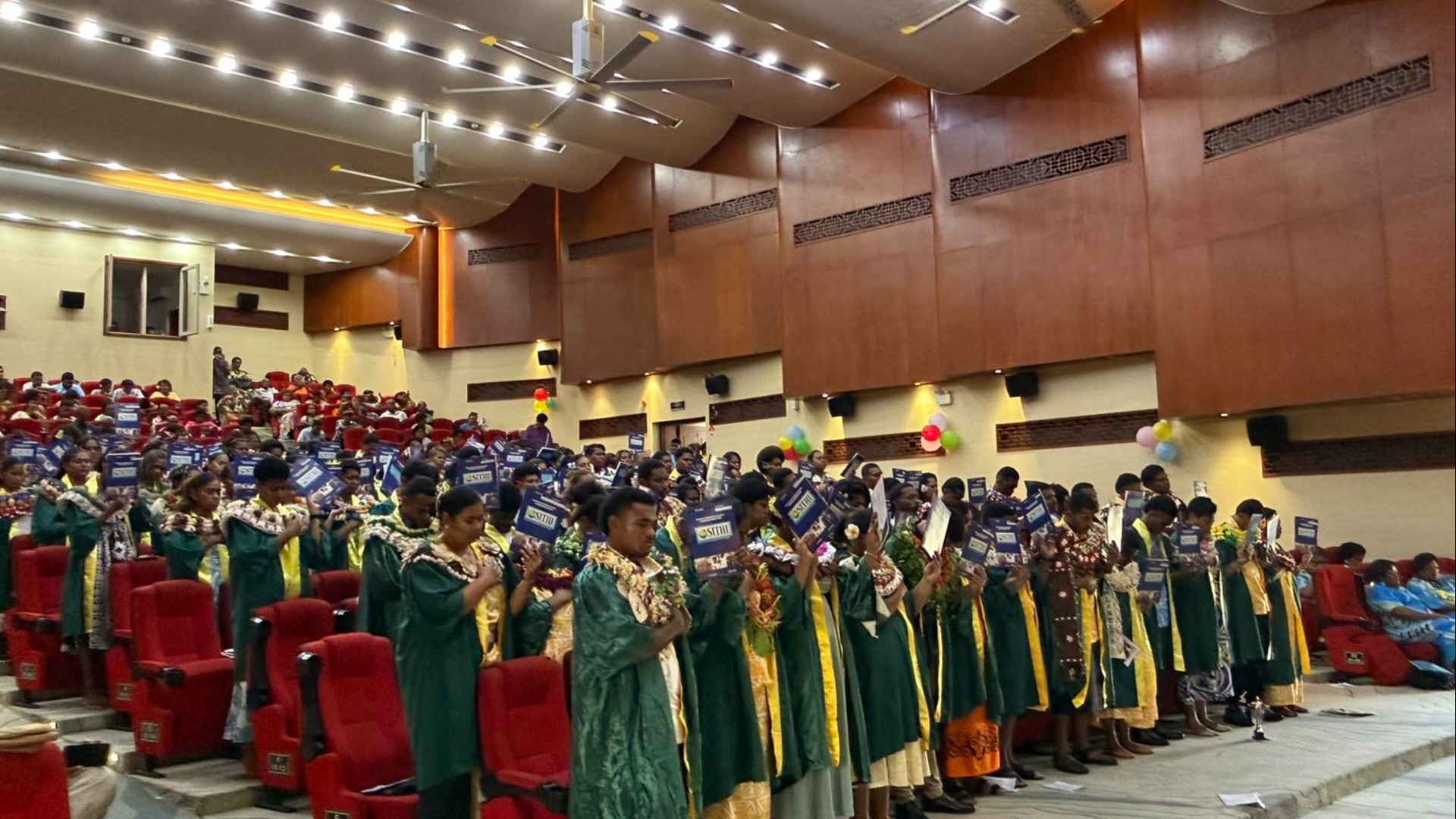
Deputy Prime Minister and Minister for Tourism and Civil Aviation Viliame Gavoka highlighted this while addressing 153 students graduating from the ServicePro International Tourism and Hospitality Institute with Certificate III qualifications in Kitchen Operations and Hospitality Operations.
Gavoka says Fiji is seeing some of its finest young people, including trained cooks, skilled housekeepers, waiters and hospitality workers, leave the country for opportunities abroad.
He says this brain drain hurts Fiji, particularly when the country invests in training people who later take their skills overseas.
However, Gavoka says he understands why young Fijians choose to leave, as salaries can be higher and there are opportunities to gain international experience.
He says he would never blame a young Fijian for wanting more for their family.
Gavoka says those who decide to work overseas should learn as much as they can and eventually bring that knowledge and experience back to Fiji.
He says Fiji also needs to face the reality that it cannot build its future around continually training people and then losing them.
The Tourism Minister says around 75,000 visitors arrive in Fiji every month, highlighting the continuing demand for skilled workers across the tourism industry.
He says these numbers should not simply be viewed as statistics but as opportunities for young Fijians to build long-term careers in tourism and hospitality.
Gavoka says the Government wants to create an industry where staying in Fiji does not mean sacrificing career development or a better standard of living.
He says Fiji's sustainable tourism plans are focused on building a prosperous visitor economy, thriving and inclusive communities, protecting what makes Fiji unique and ensuring the country's islands and oceans remain healthy.
Gavoka says these objectives are also about ensuring Fijians working in tourism do not simply have jobs, but have opportunities to share in the wealth created by the industry and progress through their careers.
He says the aim is to create pathways where a young person entering the industry as a cook today can become a head chef tomorrow and potentially own their own business in the future.
The Minister says Fiji does not want its people to become the cheapest pair of hands in someone else's resort, but skilled and respected professionals who can build successful careers of their own.
Gavoka says investment is also being made to spread tourism opportunities beyond Fiji's traditional tourism areas.
He highlighted tourism development in Vanua Levu as an important part of creating opportunities in the North so young people can pursue careers closer to their communities instead of having to leave their island.
Gavoka also highlighted the importance of Tourism Fiji's international marketing efforts in keeping Fiji visible in global markets, attracting visitors and supporting continued industry growth.
He says tourism growth should also benefit other sectors of the economy, including farmers and fishers.
Through initiatives linking farms and local producers directly with hotels and restaurants, Gavoka says more of what visitors eat can be produced locally.
He says resorts are increasingly growing produce such as herbs, chillies, pawpaw and dalo and turning locally grown food into memorable experiences for visitors.
Gavoka says when this happens, the benefits of tourism remain within Fiji, as the land feeds the kitchen, the kitchen feeds the visitor and visitor spending ultimately supports local communities.
He has urged the 153 graduates to remain proud of their profession, continue learning, maintain high standards and protect Fiji's unique spirit of hospitality.
Gavoka says whether graduates choose to remain in Fiji or gain experience overseas before returning, the country needs their skills.
He says every young Fijian who chooses to stay, develop their skills and progress through the industry represents a victory for Fiji and, over time, those individual successes can help change the country's future.