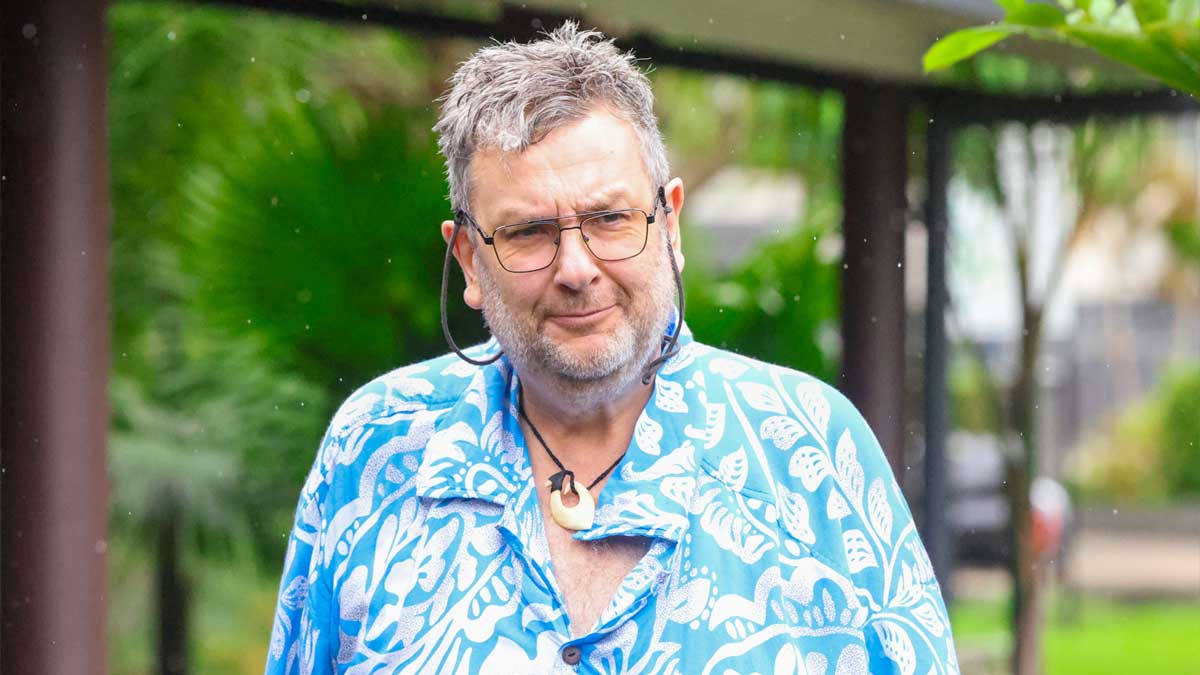
Fiji and British national, Charlie Charters has filed papers in the High Court challenging the lawfulness of the appointment of acting FICAC Commissioner Lavi Rokoika.
Charters has said on his social media page that you could say that by choosing to go after him, the Fiji Independent Commission Against Corruption - FICAC picked the wrong person to wrong but this is absolutely not a revenge mission.
Charters says the lawful status of FICAC's powers is like a ticking constitutional bomb that could disrupt the next election if someone does not address this.
FICAC detained and arrested Charters at Nadi Airport on February 21st after he reported on his facebook page about Rokoika hiring her niece-in-law and earlier FICAC's botched attempt to extradite a former Director of Public Prosecutions that resulted in a complaint to Christchurch police.
FICAC's case was permanently stayed by order of the Suva High Court on July 24th after the prosecution of Charters was described as 'doomed to fail' by Justice Pita Bulamainaivalu.
The judge called out multiple FICAC bungles including breaches of Charters' constitutional rights, abuse of process and Rokoika's own conflicted position in authorising the arrest and charging in the first place.
But Charters said there is a bigger issue that is still unresolved.
Charters says on February 2nd, the High Court established that the previous FICAC Commissioner Barbara Malimali was removed unlawfully by the President on the advice of the Prime Minister,
He says this leaves an open constitutional question that must be settled before the elections.
Charters' application for permission for a judicial review, is being argued by Suva lawyer Seforan Fatiaki who successfully secured his stay application.
Malimali's removal as FICAC Commissioner on June 2nd last year was a key recommendation of the now-discredited Commission of Inquiry Report led by David Ashton-Lewis.
Prime Minister Sitiveni Rabuka appointed Ashton-Lewis to lead the COI into Malimali's appointment in October 2024.
The Ashton-Lewis' COI Report was declared legally null and void by the High Court last month because of significant procedural and natural justice issues: all findings and recommendations have been legally quashed.
This judicial review application looks to close the critical question left over from the implementation of the COI Report's recommendations, including the removal of Malimali.