Women and girls escaping gender-based violence in the Western Division will have access to safe accommodation, counselling and other support services through a new Women's Safe Shelter opening from Monday.
The shelter will provide emergency accommodation for survivors of gender-based violence, as well as trauma-informed counselling, social work support, case management and referrals to other services.
The location of the shelter is being kept confidential, to protect the safety and privacy of women and girls who will use the facility.
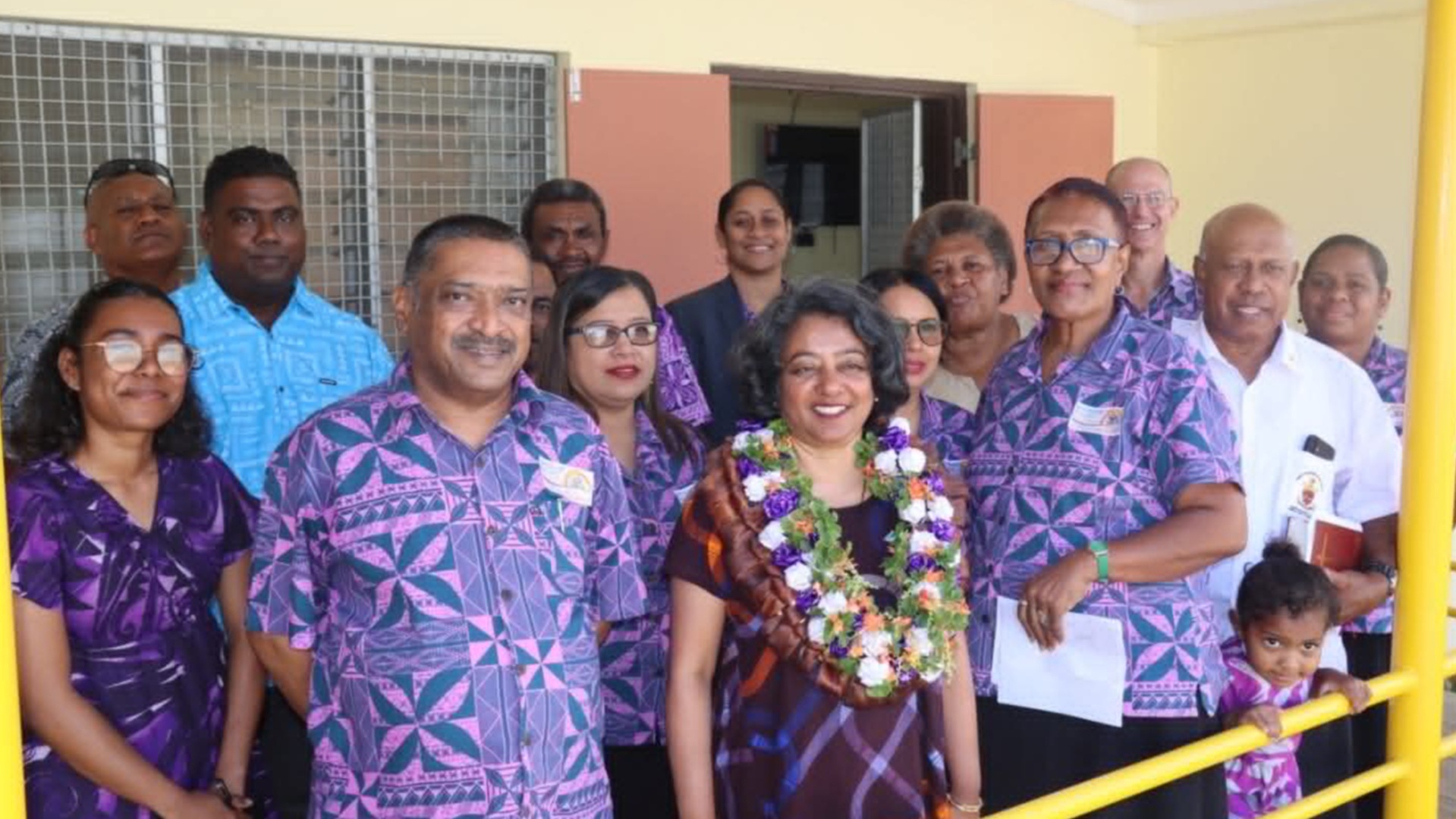
While opening the shelter in Lautoka, Minister for Women and Children Sashi Kiran says the need for such facilities is changing as Fiji faces wider challenges affecting women and children, including drugs and trafficking.
She says during a recent street sweep in the Western Division, authorities found a 16-year-old pregnant girl who had been living on the streets.
Kiran says the girl, who is close to giving birth, is now in the Ministry's care but has not been able to return to her family.
She says authorities are also seeing girls as young as 13, 14 and 15 becoming pregnant and being drawn into situations involving drugs and trafficking.
Kiran says these cases are deeply concerning and greater attention needs to be placed on parenting and the role families and communities play in protecting children.
She says while shelters may have previously focused mainly on domestic violence, services now need to respond to increasingly complex situations involving children affected by drugs, parents using drugs and young people being pushed or lured into harmful situations.
Kiran says greater attention must also be given to girls affected by drug addiction and trafficking while more comprehensive support services are being developed.
She says children are among the most vulnerable members of society, and families, communities and organisations need to strengthen the protection and support available to them.
The organisation operating the shelter says it will provide women and girls with a safe environment where they can recover with dignity and be involved in decisions about their future.
The shelter will also work with government agencies, non-government organisations, faith-based groups, the private sector and other organisations to provide further support to survivors.