Families across Fiji are being urged to prepare their homes, stock emergency supplies and identify their nearest evacuation centres as the country faces the 2026–2027 cyclone season.
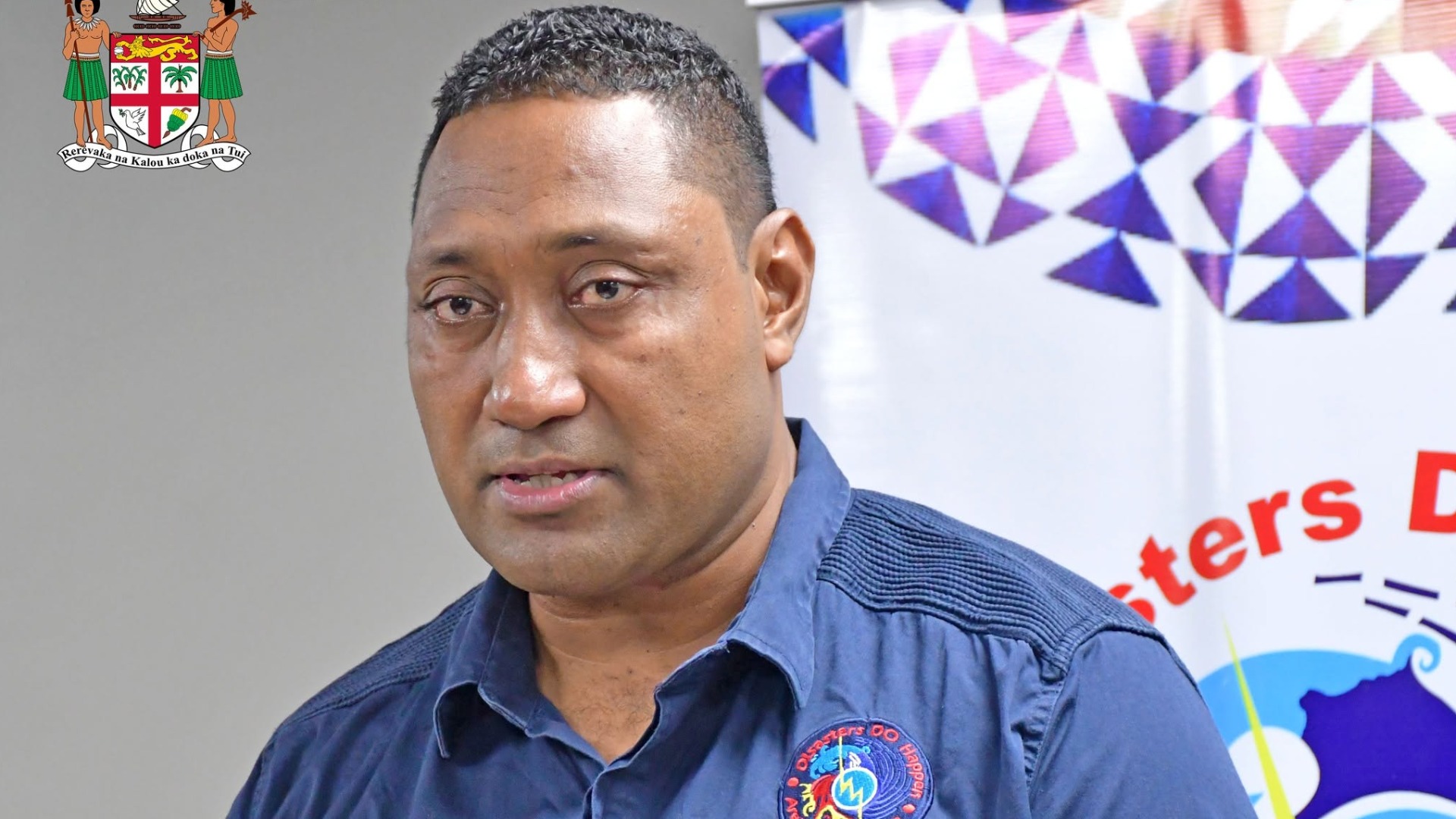
Permanent Secretary for Rural and Maritime Development and Disaster Risk Management Mitieli Cama says two to three tropical cyclones are expected to pass through Fiji's waters during the season, with one or two potentially reaching severe Category 3 to 5 intensity.
Cama says families must not wait until a cyclone warning is issued before taking steps to protect themselves, their children and their livelihoods.
He is urging households to secure their homes, tie down loose items around their properties and prepare emergency supplies, including food, drinking water, medicines, torches and batteries.
Cama says families should also identify their nearest evacuation centre and the safest route to reach it in an emergency.
He stresses that special attention must be given to children, older people and people with disabilities who may require additional assistance during disasters.
According to the Fiji Meteorological Service's outlook, a strong El Niño event is expected to peak between November and December this year and could influence cyclone activity and movement across the region.
Cama says the forecast is a reminder that everyone must take the cyclone season seriously and prepare well in advance.
Meanwhile, he is also urging Fijians to conserve water as dry conditions and water shortages continue to affect some communities.
Cama says families should avoid wasting water and ensure drinking water is stored in clean, covered containers, particularly in areas that depend on rainwater harvesting.
He says the Government and relevant agencies will continue to strengthen disaster preparedness and response efforts, but every household has a responsibility to protect its family and community.
Cama is also reminding people to follow official weather forecasts, warnings and public advisories from the Fiji Meteorological Service and the National Disaster Risk Management Office.
He stresses that the time to prepare is now, rather than waiting for a cyclone warning.