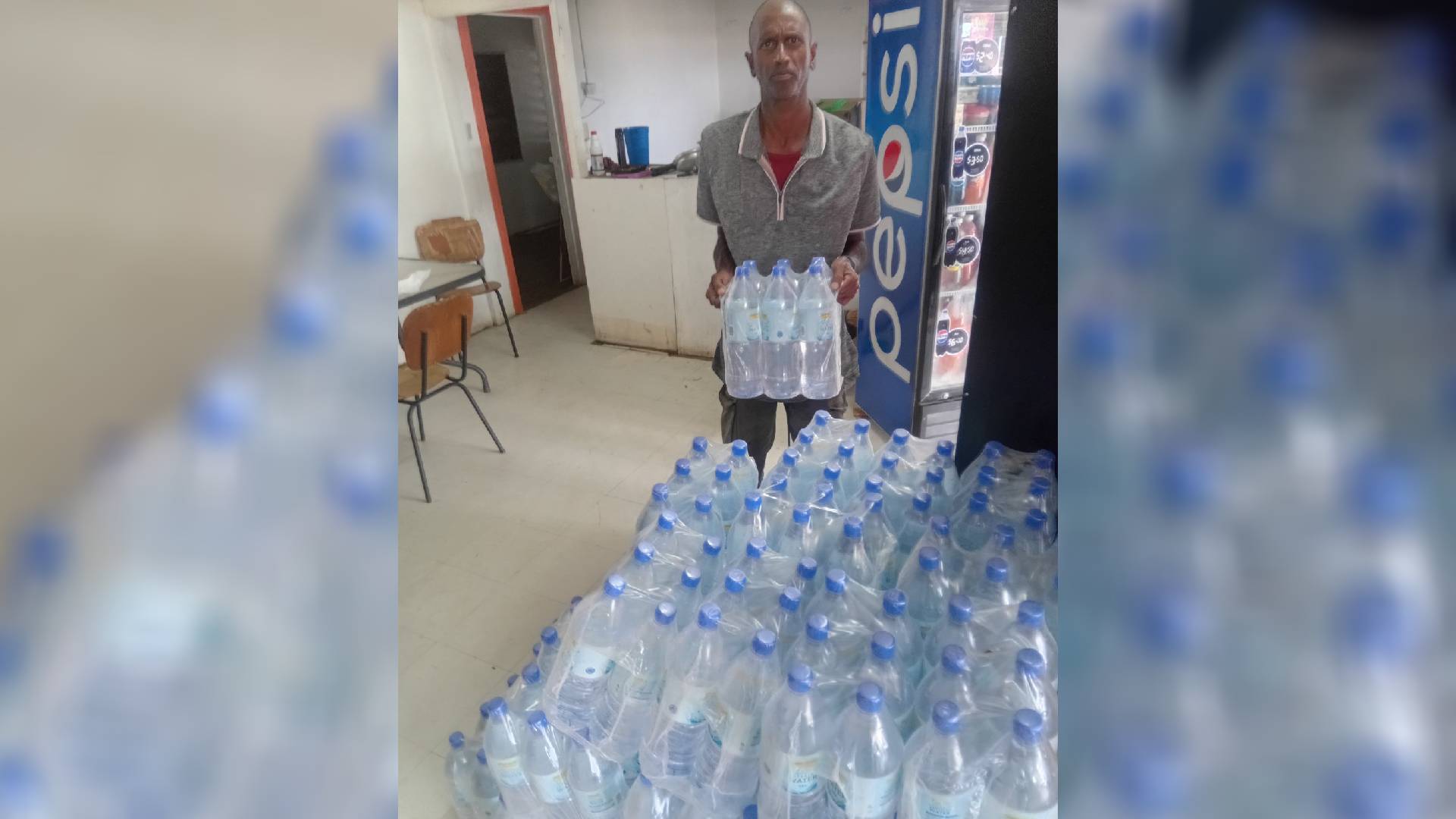
Families in several Lautoka communities who have been without drinking water for weeks are receiving bottled water from the Lautoka Ratepayers Association, as worsening water shortages caused by El Niño leave households struggling to meet their daily needs.
Speaking to fijivillage News, Lautoka Ratepayers Association President Narayan Reddy says they have been distributing drinking water to affected areas, including Saru, Tawatawa, Vuda Back Road, Wairabetia and parts of Tavakubu, with deliveries continuing today.
Reddy says each family is receiving between 12 and 16 bottles of water, with the Association receiving further requests when households run out.
He says the water is being purchased through the association's own contributions and donations from NGOs, members of the public and families in Australia.
Reddy says the demand is high as some families have gone weeks without water, while rivers they previously relied on for bathing have also dried up.
He says some residents have resorted to drinking river water, while children are also facing difficulties maintaining their hygiene.
Reddy says some school children are wearing the same uniform throughout the five-day school week because their families do not have enough water to wash their clothes.
He says some children are also missing school, while families with flush toilets are facing growing sanitation concerns due to the lack of water.
Reddy is also concerned about students sitting their Year 12 examinations, saying the lack of water and proper sanitation at schools could affect their well-being and concentration.
He says while some students are bringing drinking water to school, there are concerns about how they can wash their hands and use the toilets when there is no water available.
He is calling on the Government and the Water Authority of Fiji to install water tanks at strategic locations to make water more accessible to affected communities.
Reddy says the tanks could be placed at schools, shops and other accessible locations where residents can collect water for drinking and cooking.
He says this would allow families to access water more easily while they continue to deal with the shortages.