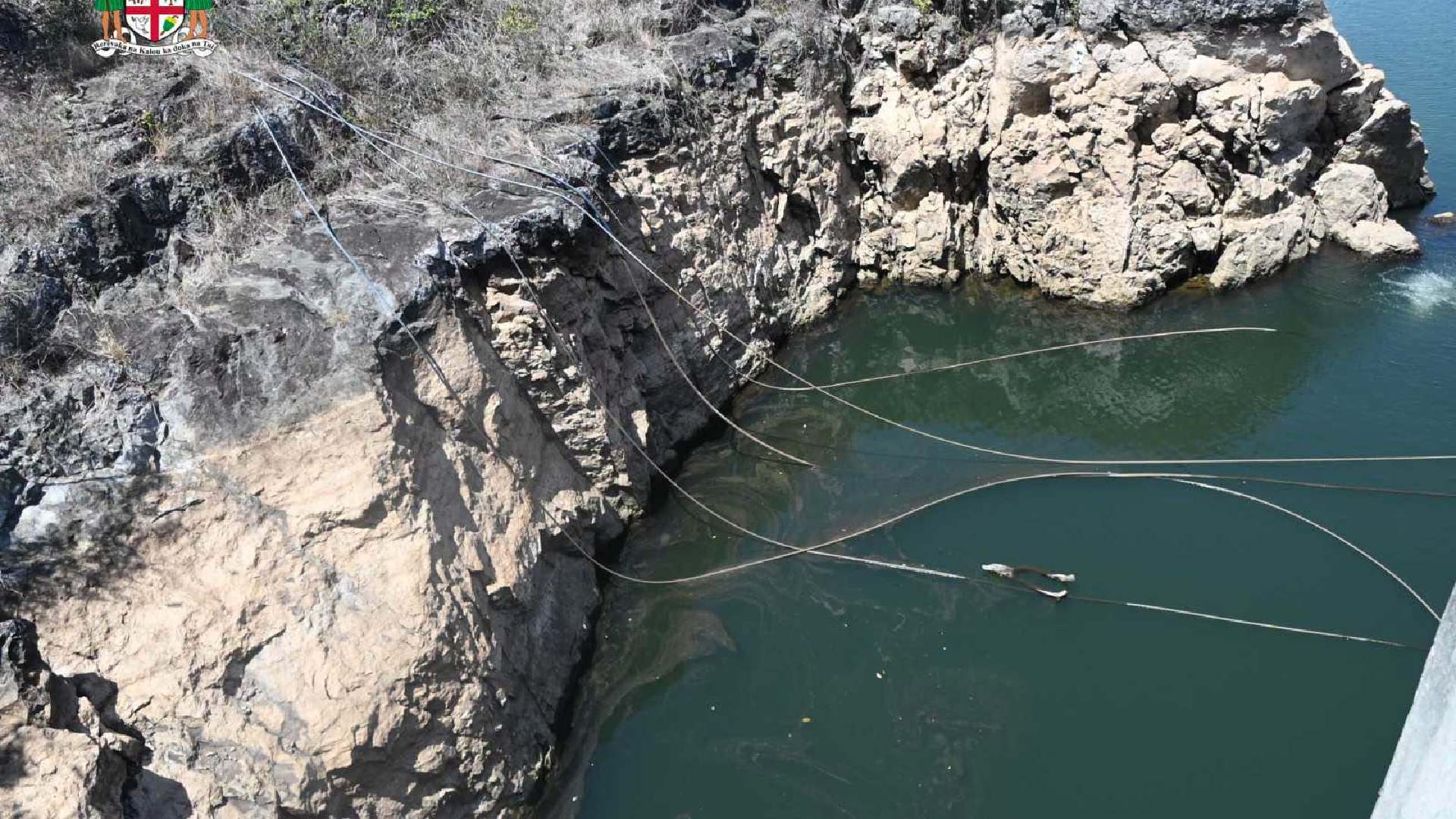
Water levels at Vaturu Dam in Nadi have continued to drop, with the drought situation in the Western Division expected to persist into December and possibly January.
Minister for Public Works Ro Filipe Tuisawau says the dam is one of the key critical infrastructure supplying water to the Nadi and Lautoka areas, and its declining levels are being closely monitored.
Following three days of assessment of the drought situation in the West, Ro Filipe is urging members of the public to conserve water and prepare for worsening conditions in the coming months.
He says the weather forecast indicates that the situation is unlikely to improve, with other water sources also drying up.
Ro Filipe says the Water Authority of Fiji continues to deliver water to affected communities, while the National Disaster Risk Management Office is coordinating the whole-of-government response.
He says the Government is also organising assistance packages as part of its response to the situation.
Ro Filipe is urging not only households but also businesses and hotels to take precautionary measures, conserve water and store it safely.
He says the situation remains critical and people need to be prepared as the drought continues to affect water sources across the country.
Meanwhile, overnight water rationing will begin in parts of Nadi and Lautoka from 9pm tonight as prolonged dry weather and declining water levels continue to put pressure on water supply in the Western Division.
The Water Authority of Fiji says rationing will take place daily from 9pm to 4am until further notice to allow reservoirs to recover overnight and ensure water is available during the day.
In Lautoka, affected areas include Natabua, Natokowaqa, Field 40, Rifle Range, Saru, Vuda, Wairabetia, Waiyavi, the Lautoka Central Business District, Tavakubu, Buabua, Teidamu and surrounding areas.
In Nadi, affected areas include Sabeto, Namaka, Martintar, Saunaka, Nawaka, Nadi Town, Denarau, Narewa, Wailoaloa and parts of southern Nadi extending to Momi.
The Authority is urging residents and businesses to conserve water immediately by avoiding non-essential activities such as washing vehicles, watering lawns and filling swimming pools.
