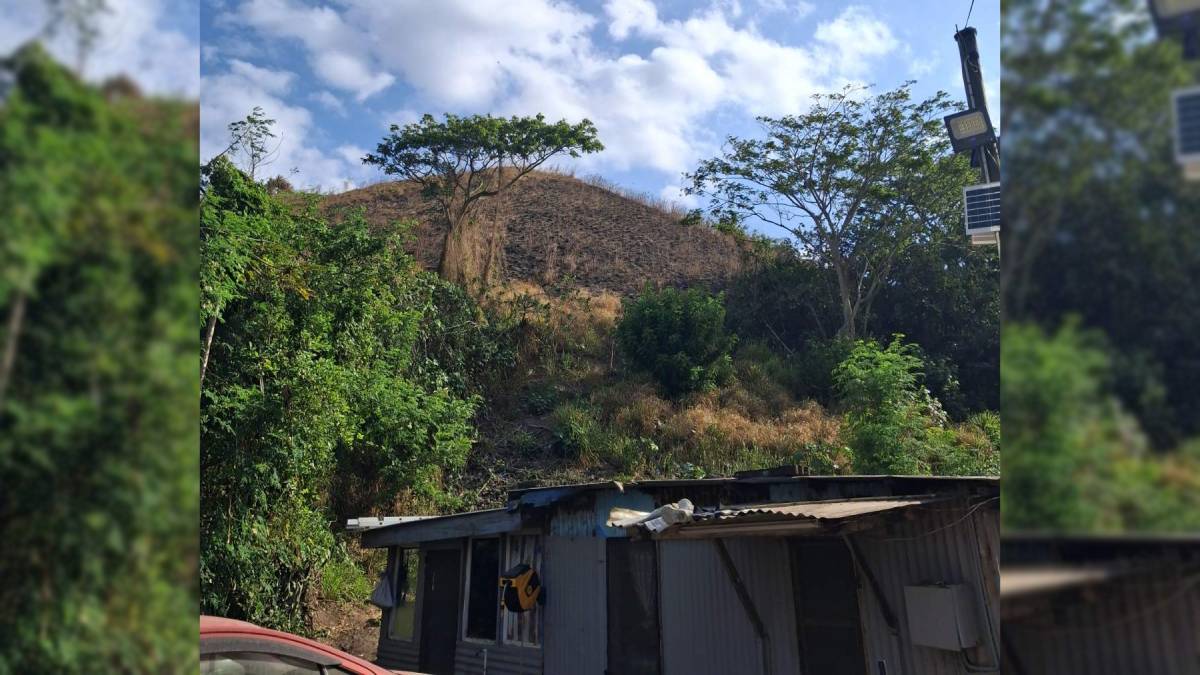
Despite knowing the damage bushfires can cause to homes, farms and properties, some people are deliberately setting fire to fields in Sigatoka, putting entire communities at risk.
Following another bushfire in Kulukulu, Sigatoka last night Advisory Councillor Permal Sami says people continue to start fires despite the prolonged dry conditions and the danger they pose to nearby communities.
Sami believes some of the fires are being started by people smoking while walking along roads in the Sigatoka area.
He says those responsible are often young men who should know better but deliberately light fires because they enjoy watching fields burn.
Sami says the situation has become so concerning that farmers and nearby residents often have to take matters into their own hands and try to extinguish fires before they spread.
He says with the extremely dry conditions, waiting for fire trucks to arrive could mean losing their homes before help reaches them.
The situation has also forced families to rethink how they store water, with residents keeping bottles and buckets of water not only for their daily needs but also in case they need to fight a bushfire.
Sami says Kulukulu is experiencing intermittent water supply, although residents understand the challenges caused by the current conditions.
He says bushfires are unfortunately becoming a common sight in areas such as Yadua Pine, Lawai and the hills in Nacocolevu.
Sami is urging the public to act responsibly and stop deliberately setting fire to bushes, warning that such actions put homes, farms and lives at risk.
He is also encouraging residents to store water where possible so they can respond quickly if a fire breaks out, rather than relying entirely on authorities.
Meanwhile, National Fire Authority CEO Puamau Sowane says they have recorded 1368 were non-property fires, including sugarcane and bush fires from January to October in the Western Division, warning that prolonged dry conditions are increasing the threat to communities and properties.
He says dry vegetation, high temperatures and strong winds created conditions in which even a small spark could trigger an uncontrollable blaze.
The CEO has also warned that fires starting in open fields, roadside grasslands and agricultural areas could spread rapidly to nearby homes, particularly during windy conditions.
He is urging communities to avoid burning rubbish, dry grass and agricultural waste, clear combustible vegetation around homes and maintain access routes for emergency vehicles.