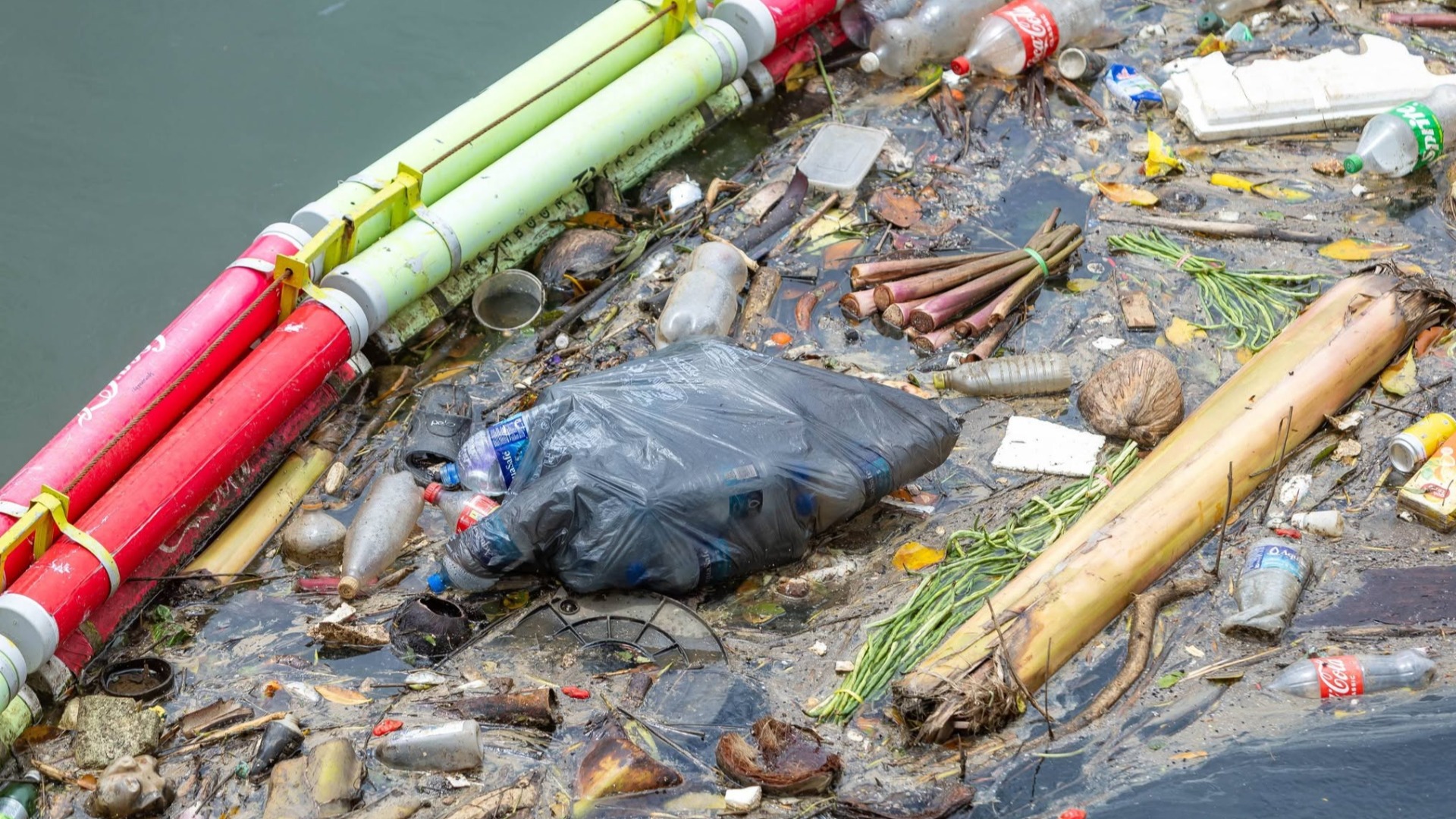
More than 3.3 tonnes of waste have been collected from waterways at Bailey Bridge in Suva since October last year, helping prevent rubbish from reaching Suva Harbour and the ocean.
Trashboom Pacific Director Wayne Fuakilau says the TB005 Trashboom System has intercepted 3,305.82 kilograms of solid waste since its installation on 8th October 2025.
He says the achievement has been made possible through a partnership with Coca-Cola Europacific Partners Fiji under a Memorandum of Understanding covering 2025 to 2028.
Trashboom Pacific says the system has completed 24 waste collection and clean-up operations since its installation, with each operation taking about two to three hours.
The work includes collecting waste, maintaining the system, sorting and weighing materials, and analysing data on the types and quantities of waste collected.
The company says the waste collected includes 591.14 kilograms of soft plastics, 434.81 kilograms of sanitary waste, 347.91 kilograms of PET plastics and 185.44 kilograms of white goods.
It says other items collected include hard plastics, glass, textiles, cans, rubber, foam and other discarded materials.
Trashboom Pacific says soft plastics can break down into smaller pieces in rivers and oceans, posing a risk to marine life that may mistake microplastics and nanoplastics for food.
It says producers and importers of sanitary products should use radio and other forms of advertising to encourage people to dispose of nappies and sanitary pads properly in bins.
The company says the results highlight the importance of collecting waste from waterways before it reaches the ocean, alongside better waste management and responsible disposal practices.
It says regular waste collection and data monitoring also help provide a clearer picture of the pollution entering Fiji's waterways.
Trashboom Pacific says the partnership highlights the role businesses can play in addressing the environmental impact of their products and packaging.
It says under the principle of Extended Producer Responsibility, producers have an important role in preventing packaging waste from becoming pollution.
The company stresses that waste interception is not a replacement for reducing unnecessary packaging, improving waste collection systems or encouraging responsible rubbish disposal.
It says tackling plastic pollution requires shared responsibility among producers, Government, communities and waste management operators.