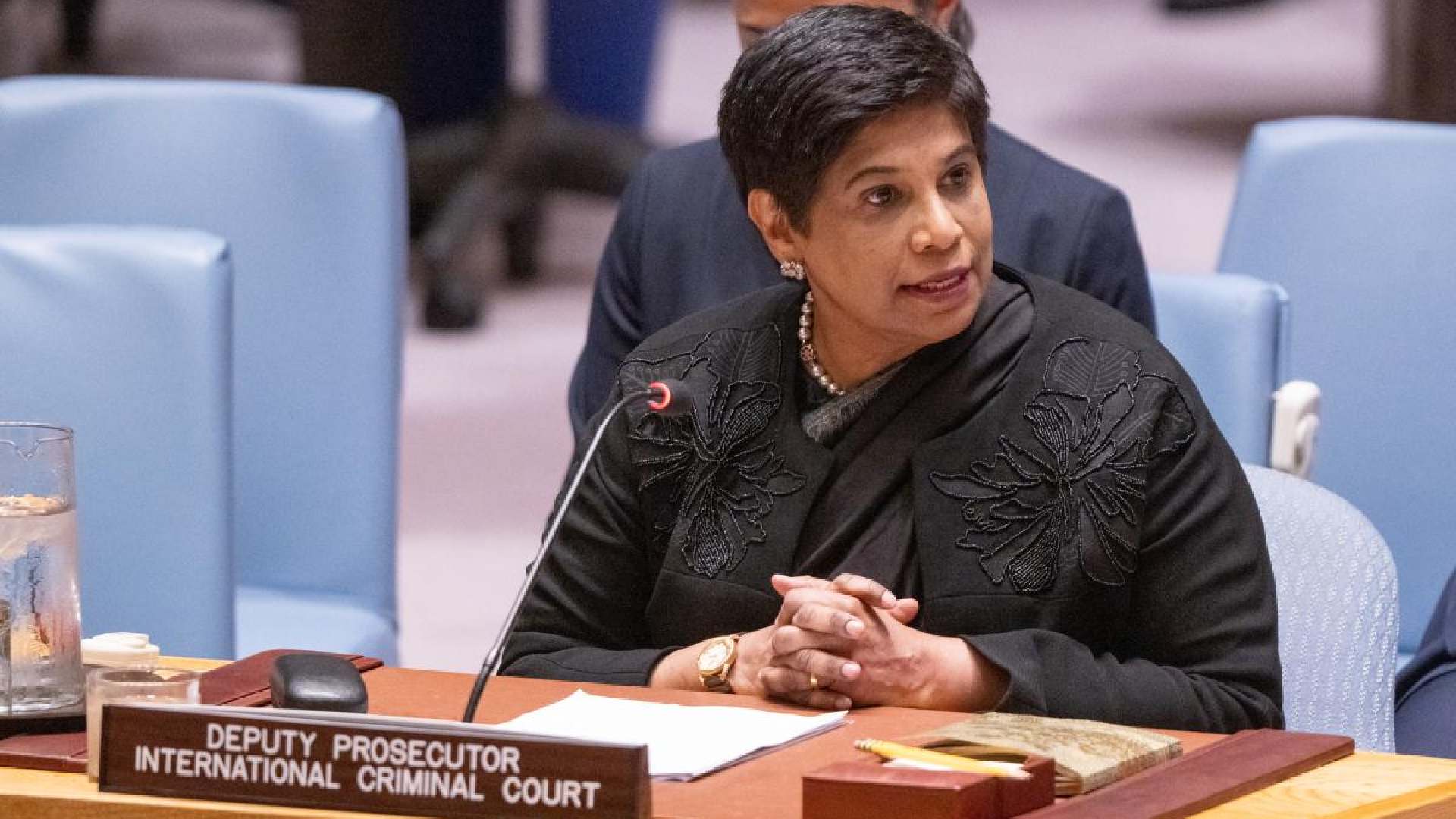
International Criminal Court (ICC) Deputy Prosecutor and former Fijian judge Nazhat Shameem says sanctions imposed by the Trump administration are intended to undermine the international rule of law and the work of an independent judicial institution, and must be condemned.
Speaking in an exclusive interview with DRM News, Shameem says the ICC will continue its investigations and prosecutions despite the sanctions.
She stresses that the Court's work is carried out on behalf of victims of atrocity crimes around the world and must not be impeded.
Shameem says officials working in the Office of the Prosecutor understand that some of their decisions may not be acceptable to certain countries.
She says the sanctions were therefore not unexpected, although they have caused significant inconvenience.
Shameem says one of the first challenges she faced was disruption to financial services, including access to banking facilities and the use of her credit card.
She says other service providers, including Kindle, Amazon and health insurance companies, also created difficulties, which she believes were cases of excessive compliance with the sanctions.
Shameem adds that she either negotiated with the service providers or sought alternatives.
She says the impact extended beyond banking services, although restrictions on financial transactions were the first obvious consequence.
Meanwhile, international reports say the Trump administration has imposed sweeping new sanctions on the ICC, extending previous measures against individual judges and officials to the Court itself.
US Secretary of State Marco Rubio says the measures are intended to defend US sovereignty, accusing the Court of pursuing Americans and nationals of countries that are not ICC members.
The sanctions include restrictions on transactions with the ICC and its access to US financial services, technology and the US dollar.
However, a six-month transition period has been provided for certain businesses to end their dealings with the Court.
The ICC has condemned the sanctions, describing them as an attack on the rule of law and the foundations of the international legal order.
The announcement came just hours after former ICC judge Navi Pillay was awarded the 2026 Nobel Peace Prize for her contribution to international law and justice.