19 of the Water Authority of Fiji's 44 operational water sources are at critical levels, seven are approaching critical levels and only 18 remain at normal levels.
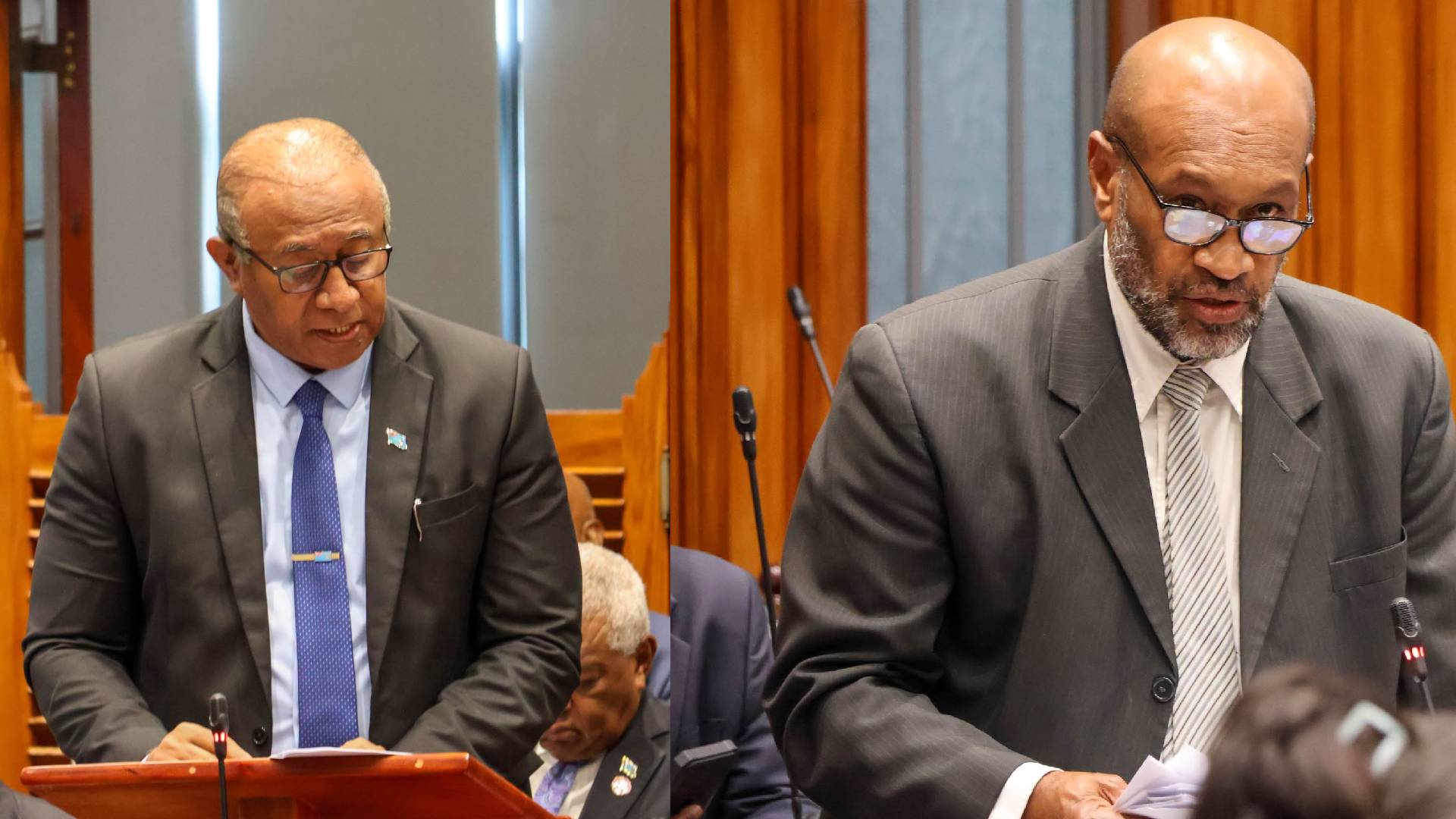
This has been revealed by Minister for Public Works Ro Filipe Tuisawau who is also urging people to stop washing their cars and driveways and watering their gardens as Fiji faces worsening water shortages due to the El Niño drought.
About 24,600 people are already affected which means they have intermittent supply or are relying on water carting.
Of this number, 18,798 people are effected in the western region, 3,500 in the northern region and 2,276 in the central/eastern region.
The effects of El Nino is expected to remain very strong into early 2027, and Tuisawau confirms the proposed special operations to address the El Nino drought is expected to cost $10.46 million.
While delivering his ministerial statement, Tuisawau also called on households, businesses, schools and communities to use water only for essential needs and help conserve the country's water supply.
He says people should also fix leaking taps, toilets and pipes, report leaks or burst water mains to the Water Authority of Fiji, and store drinking water safely in covered containers.
He says the number of critical water sources has increased from seven on 15th September to 19 as of 1st November.
Insert: Ro Filipe on the stats of affected people 3rd Nov
Tuisawau says the western region has nine of its 13 water sources at critical levels, while two more are approaching critical levels.
He says Vaturu Dam, which supplies the Nagado Water Treatment Plant serving all of Nadi and about 70 percent of Lautoka, is facing particular pressure.
The dam stood at 522.4 metres on 1st November, just 41 centimetres above its critical level of 522 metres, and was declining by about 5.3 centimetres a day.
Based on the current trend, it is expected to fall below its critical level around 8th or 9th November.
The Minister says the northern region is also facing serious supply challenges, with water production at 19.9 million litres a day against a daily requirement of 29 million litres, representing a 32 percent shortfall.
Tuisawau says 67 water carting operations are currently underway, with more than 885,000 litres of water delivered by road since 30th October.
He says five maritime water deliveries between 30th September and 30th October supplied 810,000 litres to communities in the Yasawa Group and Malolo, while a sixth trip carrying another 150,000 litres was underway.
He says schools, health facilities, elderly people, persons with disabilities, women and children are prioritised during water deliveries.
The Minister says the Water Authority has prepared a special operation through to April 2027, which includes 43 additional water trucks, six packer treatment plants, four portable units and two reverse osmosis units.
The plan also includes a maritime response involving 10 vessels, with three technicians on each vessel.
He says if dry conditions continue, 82 percent of the country's 44 water sources could be at critical levels by January next year.
Tuisawau is also urging hotels, resorts and businesses in the west to lead by example in conserving water.
Meanwhile, Opposition MP Jone Usamate says the impact of El Niño will extend beyond the end of this year, with agricultural impacts expected to continue until the middle of next year.
Usamate says the Government must ensure there is sufficient funding for water carting, recalling that during a similar situation in 2015, the budget for water carting ran out within the first few months, affecting between 30,000 and 60,000 people.
He says the public awareness message about the seriousness of the water situation has not been communicated strongly enough across the country.
Usamate says during a visit to the North, he witnessed several fires along the way, which he says were linked to the lack of water.
He also suggests that the Government consider solar-powered mobile desalination plants for maritime communities, saying transporting water by boat comes with additional fuel costs.
Usamate says the drought will also affect agriculture and the economy, and the Government may need to redirect funding from other projects to address the situation.
He says Parliament and the public must also set an example by conserving water in their daily lives.