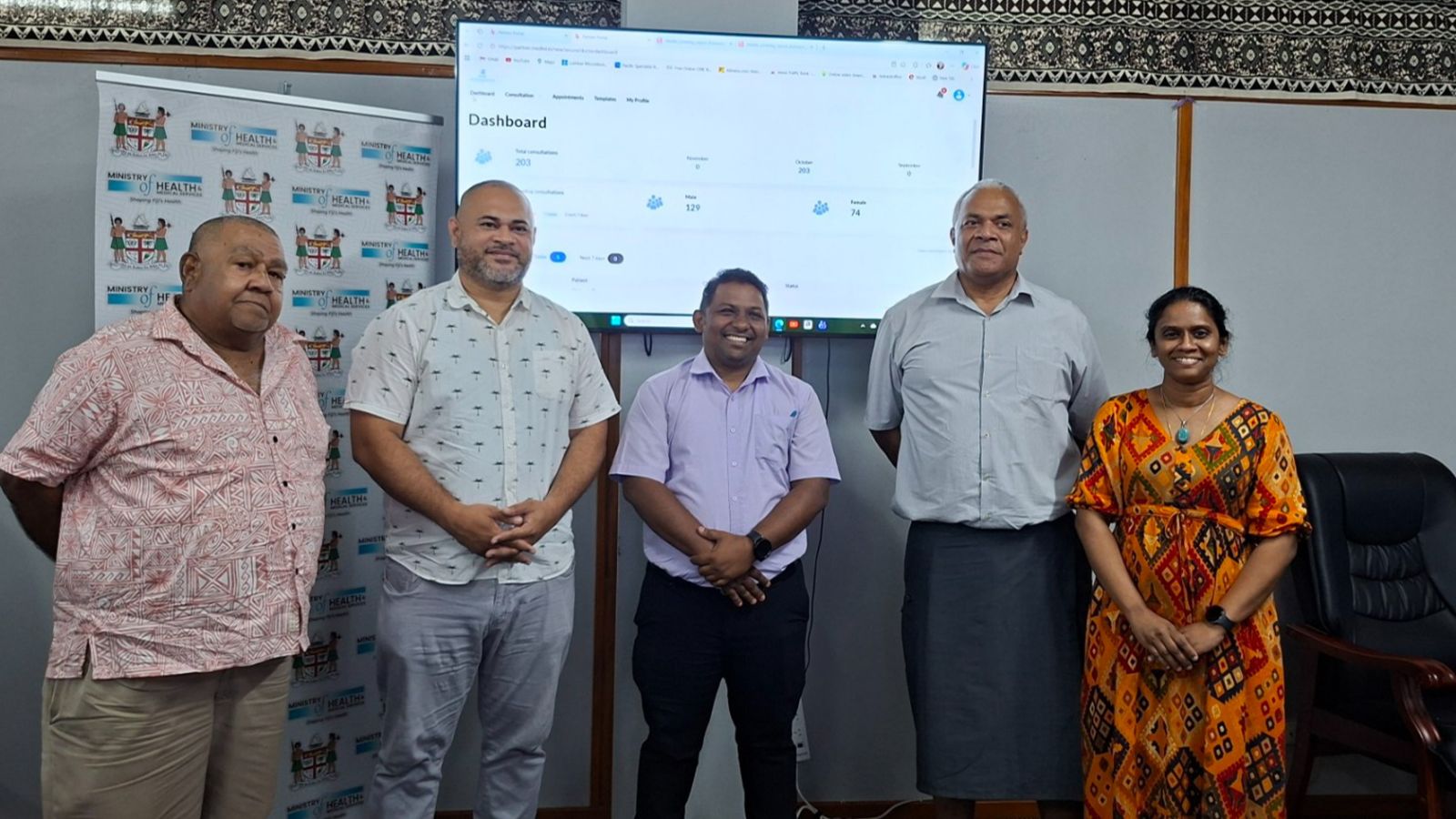
People living in remote communities across Fiji may soon be able to access doctors' consultations, specialist services and essential medical tests without having to travel long distances to reach hospitals.
This is through a new initiative by Pacific Specialist Healthcare (PSH), which will allow patients to visit their local nursing stations, where nurse practitioners will carry out initial assessments and connect them with family physicians, general practitioners and specialists, who can review patients' medical information and speak with them through video calls.
He says the system also generates medical reports covering weight, BMI, blood pressure, cholesterol, visceral fat and body water, along with risk assessments for diabetes, heart disease and kidney disease.
He adds that these reports are sent directly to patients using the contact details provided during registration, while doctors can also generate prescriptions through the platform for patients to access.
Dr Fousaga says the initiative was developed by PSH in consultation with the Medtel healthcare team from India.
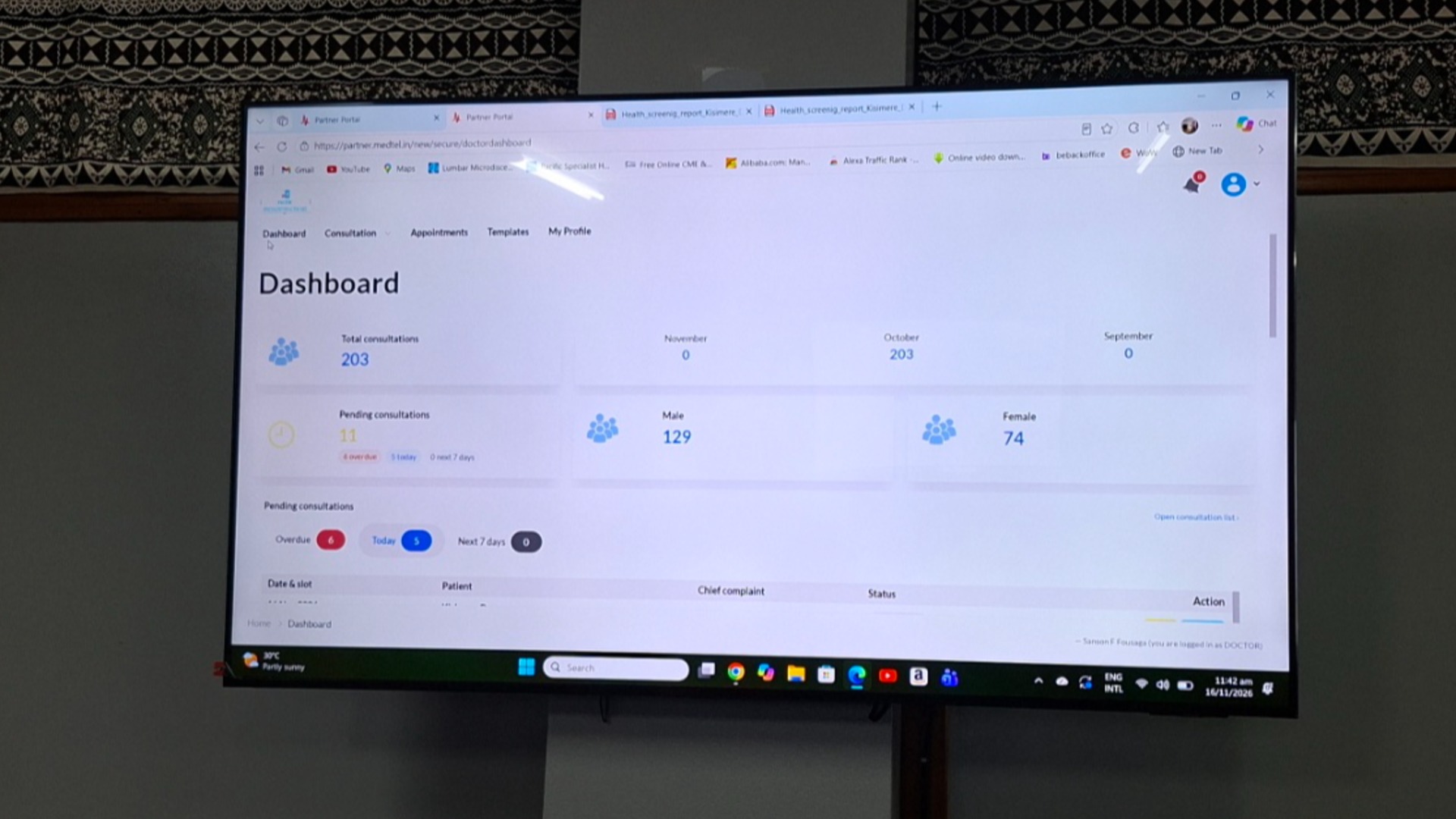
He says the system was previously tested in Samoa over three days last month, during which 203 patients received consultations.
He says the platform is currently being used as a pilot programme in Kadavu and is aimed at gathering feedback from Ministry of Health executives, understanding their needs and priorities, and identifying ways to expand the service to other communities.
Dr Fousaga says the service will need to be coordinated with the schedules of specialists and medical experts at major hospitals to ensure their availability for consultations.
He says doctors will work on a roster, allowing them to attend to patients remotely, even when they are away from the hospital.
He says the long-term plan is to make the service available 24 hours a day, with doctors on standby to assist patients in remote communities who may become seriously ill at night.
Dr Fousaga says if prescribed medicines are unavailable at a nursing station, the team will be notified so PSH can work towards supplying them or inform the Ministry of Health about the shortage.
He says PSH is also looking at using advanced drones capable of travelling long distances to deliver medicines to remote nursing stations.
He says patients who require specialist treatment will be referred for further care, with emergency transfers arranged by helicopter where necessary, while other patients may be transported through scheduled boat services.
Dr Fousaga says further improvements to the platform include developing medical transcription technology that can recognise iTaukei, Hindi and English to make recording consultations easier.
He says the team also welcomes feedback from local doctors on additional features that could be added to the system.
He adds that video consultations will depend on reliable internet connectivity, while cloud storage will need to be considered as the programme expands.
He confirms that consultations are currently being provided free of charge, with PSH aiming to make affordable healthcare accessible to as many people as possible.
