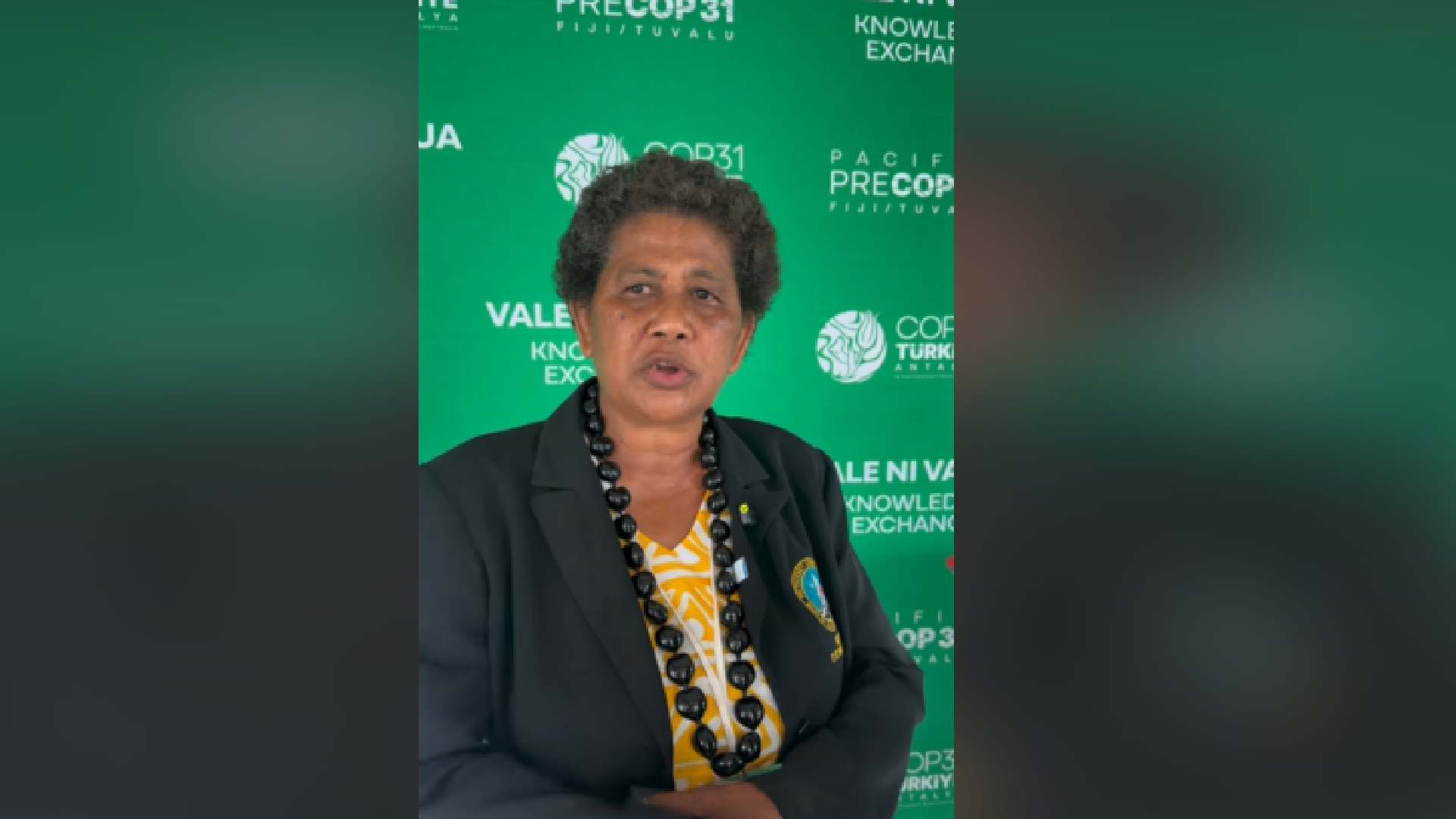
Families in Nawajikuma Settlement in Nadi continue to face flooding caused by poor drainage, rising river levels and soil erosion, with residents having to move to an evacuation centre when water level rises.
64-year-old Vasiti Vosawale Lesavua, who lives in Nawajikuma Settlement near Nawaka, says flooding has become a major challenge for the densely populated settlement, which is home to about 100 families or about 400 to 500 people.
Lesavua says the settlement is easily affected by floods because of poor drainage, while the Nadi River and Nawaka River also contribute to flooding during natural disasters.
She says the development of the back road has also contributed to the flooding, while water from the Nawaka River can come from behind the settlement without residents realising it is rising.
Lesavua says residents often focus on the Nadi River, but flooding from the Nawaka River can come with great force and cause significant damage.
She says when the river level starts rising or there is heavy rain, she tells her children to collect what they need in their school bags, along with food and containers to collect water.
Lesavua says residents usually move to Saint Andrews Primary School, which serves as an evacuation centre.
She says the situation becomes particularly dangerous at night when residents have to cross the main Nadi Back Road to reach the evacuation centre.
Lesavua says there was an incident when the water level was so high that residents could not cross the road, forcing people to cling to a rope placed across the road to reach the other side.
She says it is very risky because residents cannot carry their belongings when the water level is high.
Lesavua says flooding usually occurs during the cyclone season from November to April or when there is heavy rain, and it can happen about twice a year depending on rainfall.
She says climate change is also contributing to the problem, with soil erosion causing the river to become wider and the river banks to become lower.
Lesavua says trees along the river banks have also been cut down, while bamboo that once helped protect the banks has been washed away.
She says heavier rainfall then contributes to further erosion, landslides and flooding, allowing water to enter the settlement.
She says many residents have limited financial capacity, with most people earning only enough to meet their daily subsistence needs.
Lesavua says this makes it difficult for families to save enough money to raise their houses and foundations to protect themselves from flooding.
Speaking to fijivillage during Pre-COP31, Lesavua says she wants leaders and ministers to understand the challenges faced by communities such as Nawajikuma and provide support.
She is calling for a better drainage system as the settlement has two rivers and a drain running between them.
Lesavua is also calling for some form of man-made river bank or a wall along the back river to help prevent soil erosion and reduce flooding.
She says there are many organisations willing to assist, but they first need to know about the challenges communities are facing.
Lesavua says raising the issue at Pre-COP31 could help bring attention and support to Nawajikuma.
She says participating in Pre-COP31 has been an eye-opener for her and she is thankful to the Pacific Centre for Peacebuilding for allowing her to participate.
