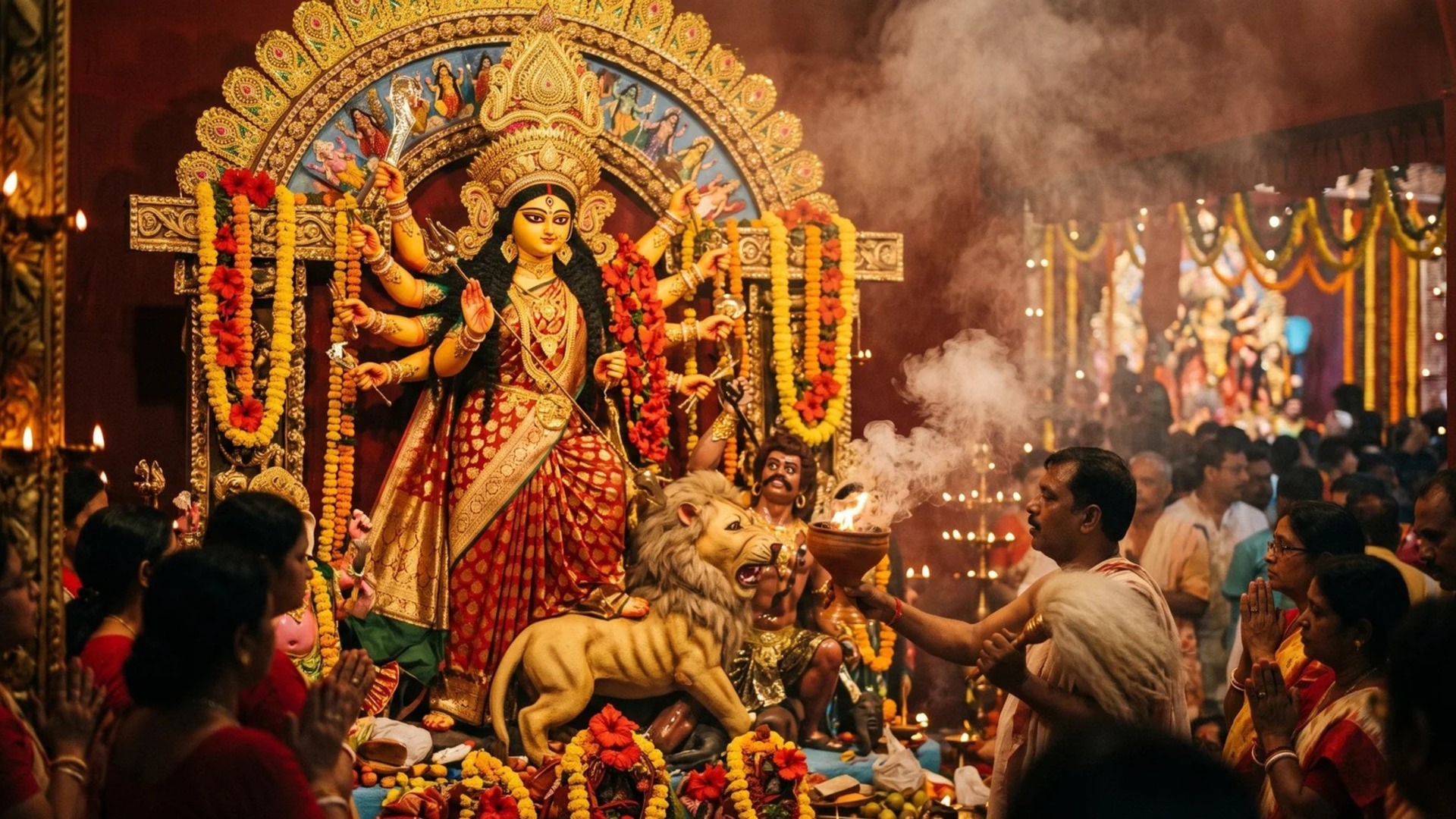
The nine-day Hindu festival of Navratri begins today, with devotees coming together to worship Goddess Durga and celebrate the victory of good over evil.
The festival is dedicated to the nine forms of Goddess Durga, known as Navadurga, with each day holding its own religious significance.
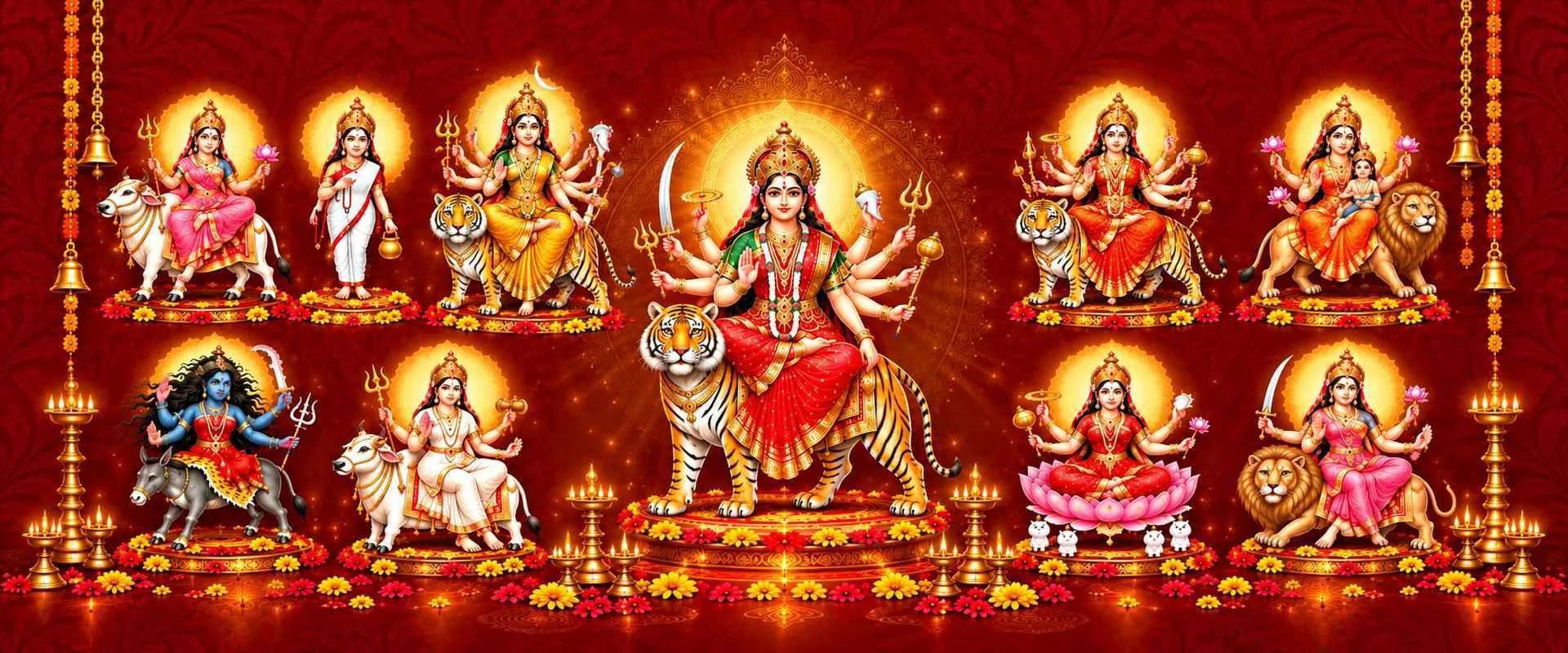
The first day of Navratri is dedicated to Maa Shailaputri, who is regarded as the daughter of the Himalayas.
She is traditionally depicted riding a bull and carrying a trident and a lotus.
Devotees worship her for strength, stability and a strong foundation in life.
The first day also marks the start of prayers and religious activities, with many families offering prayers and setting up the sacred kalash to welcome the festival.
One of the popular traditions during Navratri is wearing a different colour each day, with each colour believed to represent the qualities and blessings associated with the Goddess.
This year, the commonly followed colour sequence is orange, white, red, royal blue, yellow, green, grey, purple and peacock green.
Throughout the nine days, devotees observe prayers, fasting and religious gatherings, while cultural celebrations such as garba and dandiya bring families and communities together.
The festival concludes on 20th October with Vijayadashami or Dussehra, symbolising the triumph of good over evil. In many parts of India, the occasion commemorates Lord Rama's victory over Ravana.
Navratri remains an important time for faith, reflection and togetherness, bringing communities together to celebrate devotion, cultural traditions and the enduring message of good prevailing over evil.
Source: The Times of India