Joint replacement surgery is no longer reserved for the elderly, with younger Fijians increasingly requiring new hips and knees because of obesity, sports injuries, road crashes and previous joint damage.
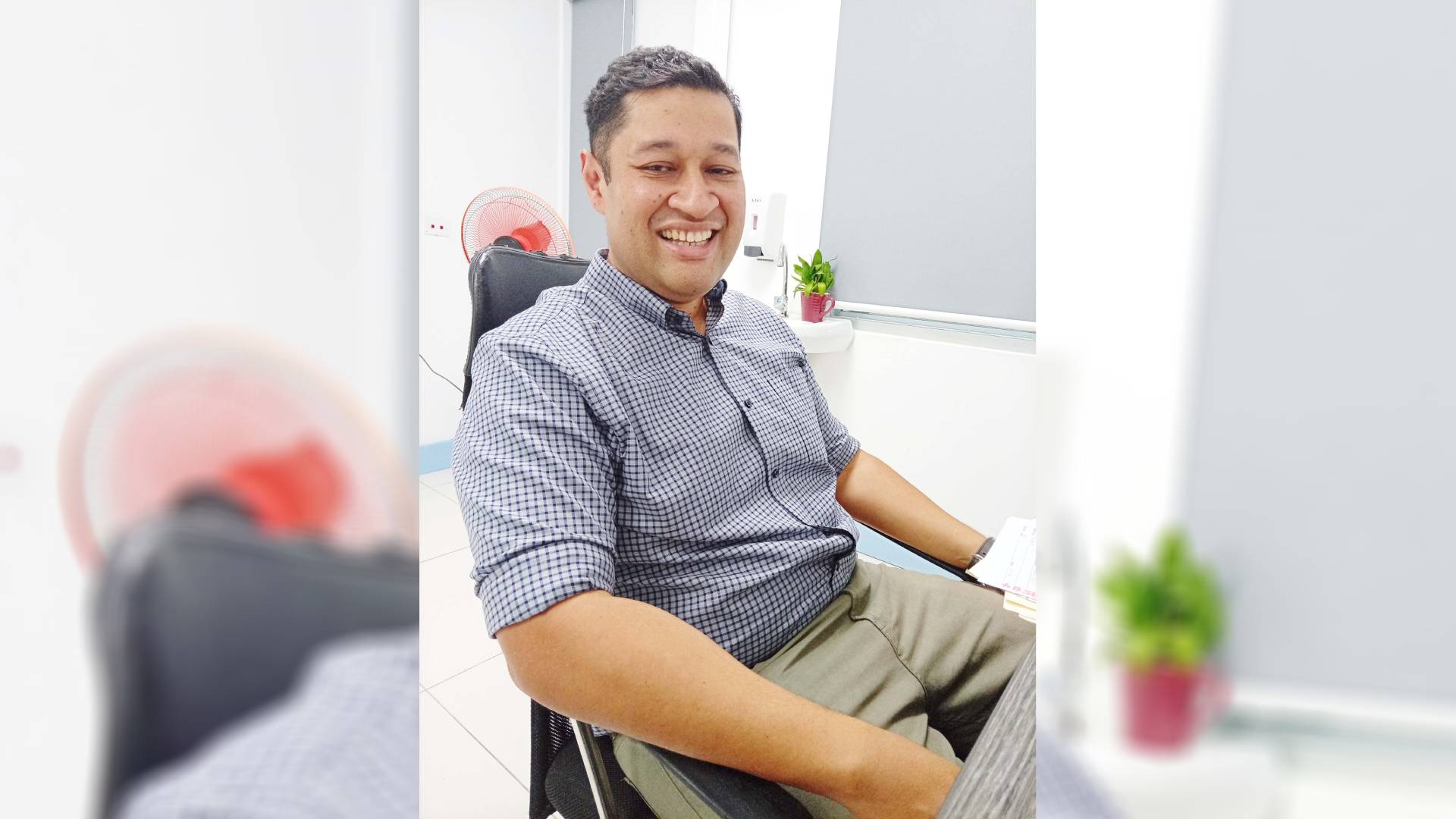
Pacific Specialist Healthcare (PSH) orthopaedic specialist and consultant Dr Vaigalo Eddie McCaig says joint problems can affect people across all age groups, with some younger patients already experiencing severe joint damage that may eventually require replacement surgery.
He explains that osteoarthritis is the loss of cartilage which protects the joint.
The cartilage allows the bones to move smoothly, but once it wears away, the bones begin rubbing against each other, causing pain, stiffness and reduced mobility.
Dr McCaig says carrying excess weight over many years places additional stress on weight-bearing joints such as the hips and knees.
The issue is particularly relevant to Fiji and the wider Pacific, where changing lifestyles and increasing body weight are contributing to orthopaedic problems.
Age, however, is far from the only factor.
Dr McCaig says he recently treated a woman in her early 50s who suffered injuries in a 2018 car crash.
He says she had previously undergone a partial hip replacement but is now experiencing problems and may require a total hip replacement.
In another case, Dr McCaig says a 28-year-old rugby player dislocated his hip and underwent surgery in New Zealand.
The hip subsequently dislocated again and remained out of position for about a year, eventually resulting in severe arthritis.
He says it is not just the elderly person with osteoarthritis, it can affect anyone.
With joint problems affecting patients across different age groups, PSH is looking at introducing joint replacement surgery at its hospitals in the future.
Dr McCaig says this could give patients access to treatment and follow-up care locally, reducing the need to travel overseas for surgery.
He stresses, however, that an X-ray alone should never determine whether a patient requires joint replacement.
He says surgery should always be the last option.
Dr McCaig says the operation itself is only one part of successful treatment, with proper follow-up and the management of potential complications also critical.
He also identified sports trauma, road crashes, infections, diabetes and HIV as major considerations in orthopaedic care.
For patients with diabetes or HIV, Dr McCaig says the risk of complications, including problems with wound healing, can increase significantly.
He says while an X-ray can show the extent of joint damage, it is the pain, reduced mobility and impact on a person's quality of life that should ultimately guide decisions about joint replacement.