Leaders need to take the time to understand younger employees rather than simply viewing them as difficult to manage.
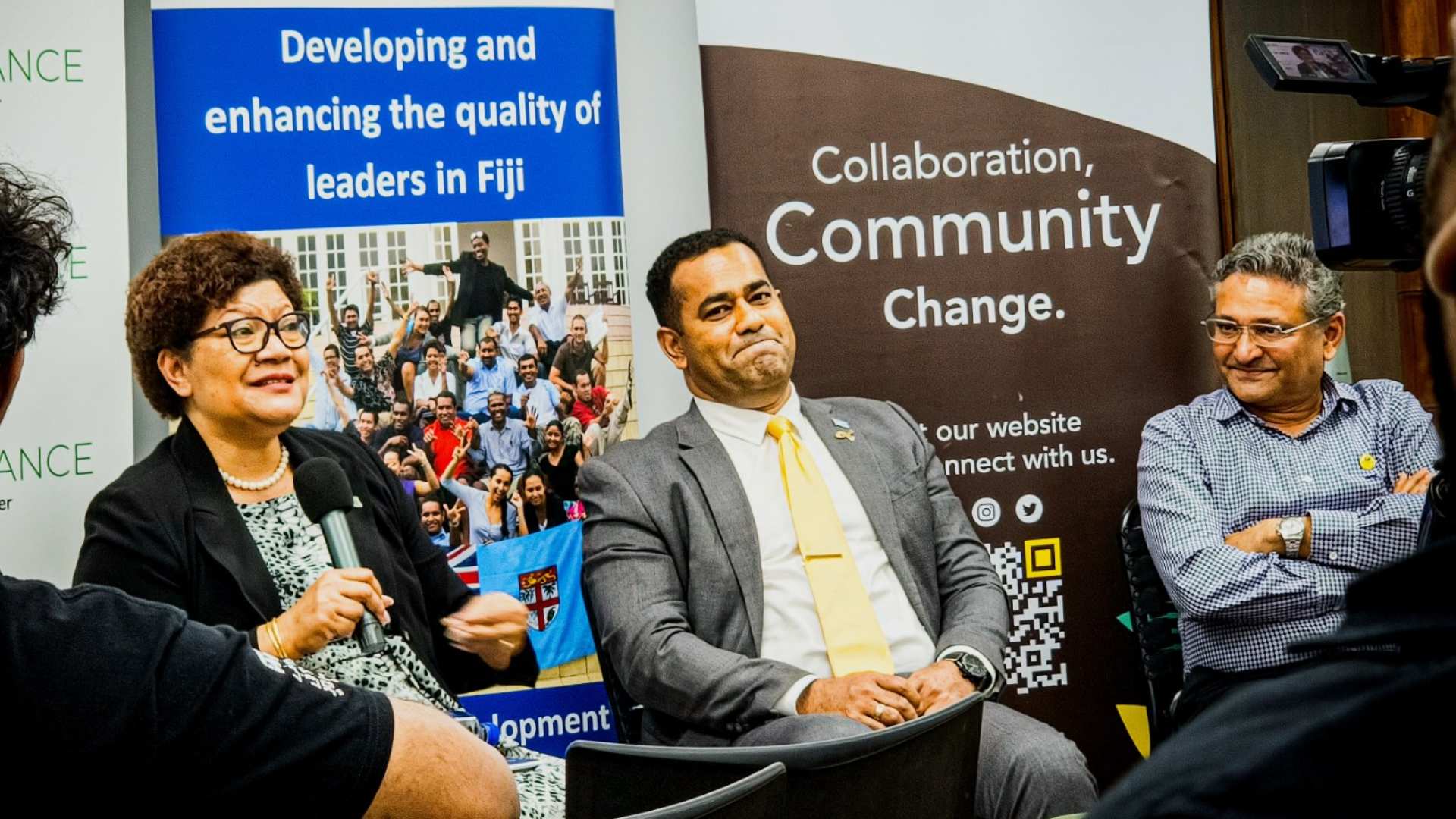
Permanent Secretary for the Ministry of Information Eseta Nadakuitavuki highlighted this while answering a question during the Leadership Fiji Leaders Lounge “Voices of Leadership” session.
Nadakuitavuki says working with the younger generation can be a challenge, but only when leaders do not take the time to understand them.
She says the younger generation entering the workforce is fearless, has a mind of its own and is not afraid to express itself or pursue what it wants.
INSERT: PS on younger generation 8th Sept
Nadakuitavuki says some of the expectations younger people bring into the workplace can be difficult to manage, including, what she describes, a sense of entitlement.
She says this is something that can be traced back to how younger generations were raised, adding that her own experience as a mother has also helped her understand the changing expectations of younger people.
Meanwhile, Minister for Lands and Mineral Resources Filimoni Vosarogo says younger workers also bring strong technology skills into the workplace.
He says they have grown up and received their education in an environment where technology is part of everyday life.
He says younger employees can understand technology more easily and, in his experience, can produce work much faster.
He says there have been occasions when he expected a task to take a day or two, but a younger employee completed it within hours.
Vosarogo says while younger employees can be highly productive, leaders still need to understand and work with the challenges they face.
He says punctuality issues and accidents are some of the concerns he has encountered, but believes leaders should take time to understand employees before taking disciplinary action.
The Minister says he has sat down with employees facing serious workplace issues and worked through their expectations and problems.
Director and Co-Founder of Pacific Island Beverages Pte Limited Rajesh Patel says businesses also need to change their approach as the younger generation becomes a larger part of the workforce.
Patel says challenges such as absenteeism have always existed and should not simply be blamed on the new generation.
He says businesses need to ask themselves how they can adapt and introduce greater flexibility.
He says business leaders who have been doing things the same way for many years now need to change their approach.
Patel says there is no alternative for businesses because the younger generation is now part of the workforce.
He says businesses that are able to adapt to the changing workforce will be better positioned for success.
When asked what advice they would give young leaders who are still developing wisdom through experience, Vosarogo says young people should not rush the process of becoming a leader.
He says young leaders should serve their time, trust the process and use the opportunities they have now to develop the skills, values and principles they will need later.
Patel says mentoring and maintaining a strong connection with young employees is important.
He says while some younger employees may expect promotions soon after entering an organisation, leaders need to work closely with them, gain their trust and help them understand that career progression takes time.
He says organisations sometimes lose good people when leaders fail to stay connected with them.
He says leaders need to get closer to individuals and their teams, communicate with them and support their development so they can grow with the organisation.
Meanwhile, Nadakuitavuki’s advice to young people who are afraid to start is simple: “just do it”.
She says failure is part of the process and what matters is how people respond when they fail.
She says young people have a choice between getting back up and moving forward or remaining focused on their failure.
She says leadership is also about making choices, and young people should not allow the fear of failure to stop them from taking the first step.