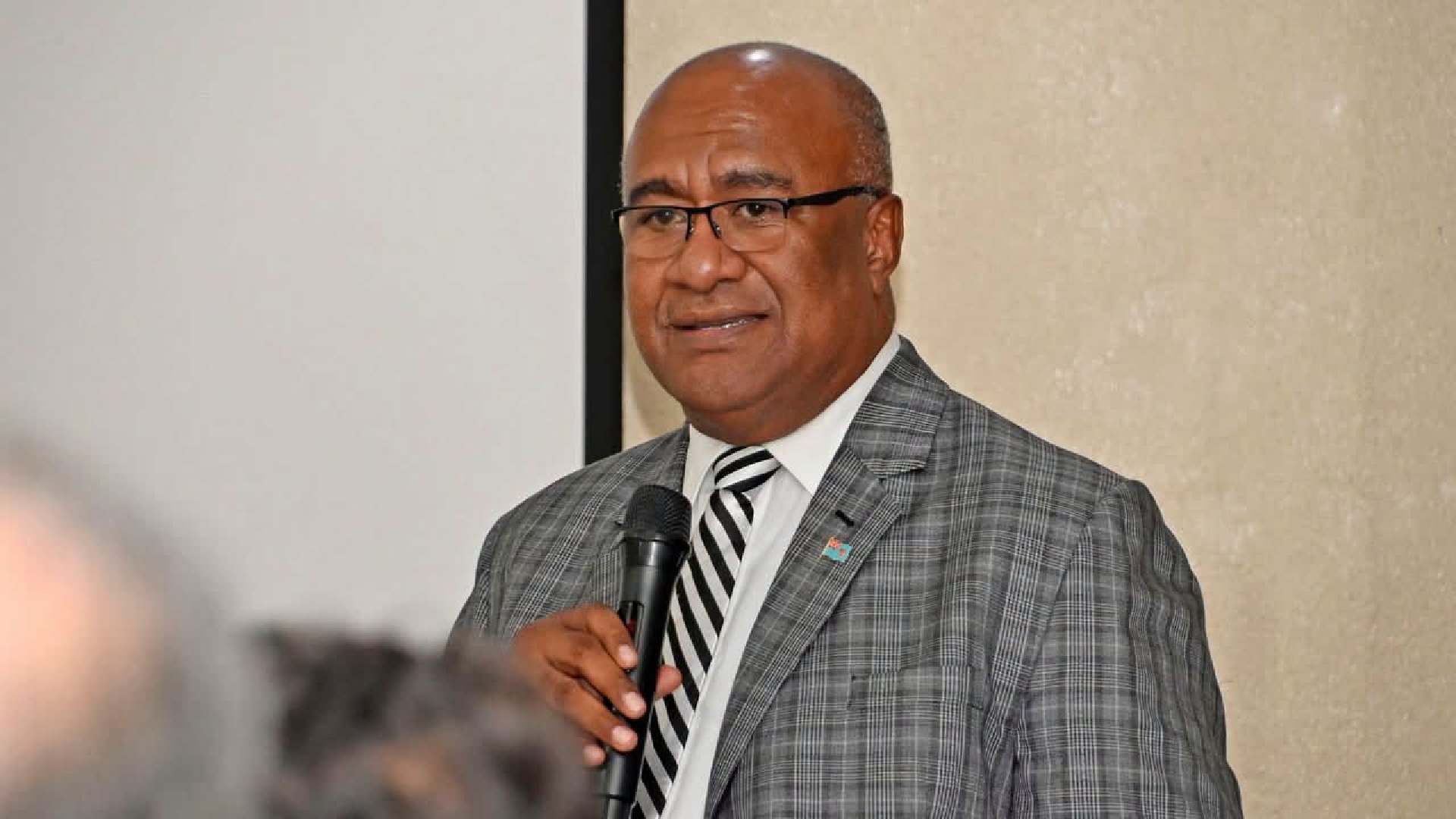
Deputy Prime Minister Manoa Kamikamica has raised concerns about a report by the Fiji Times, which he says focused only on what he said without providing the full context.
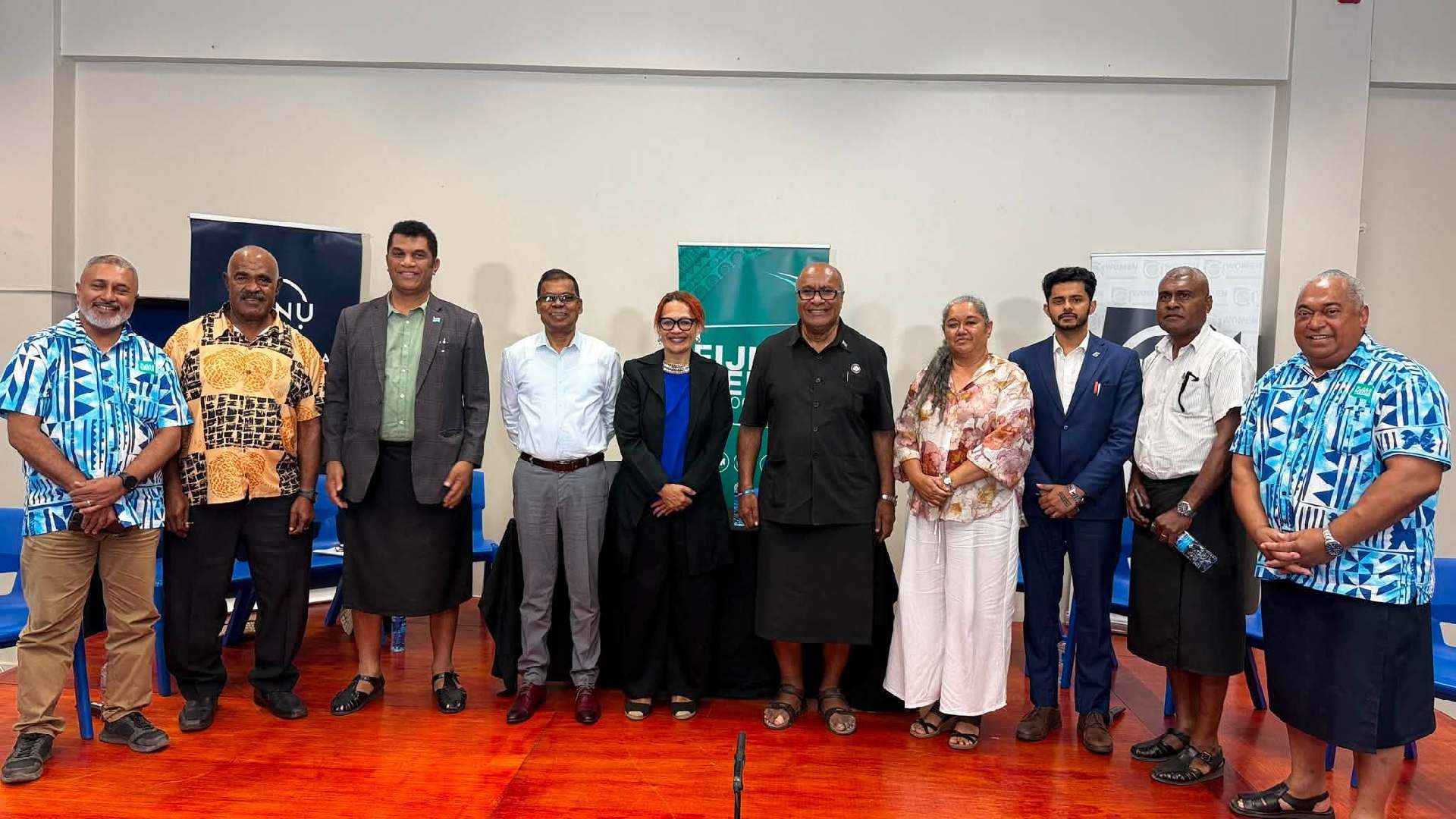
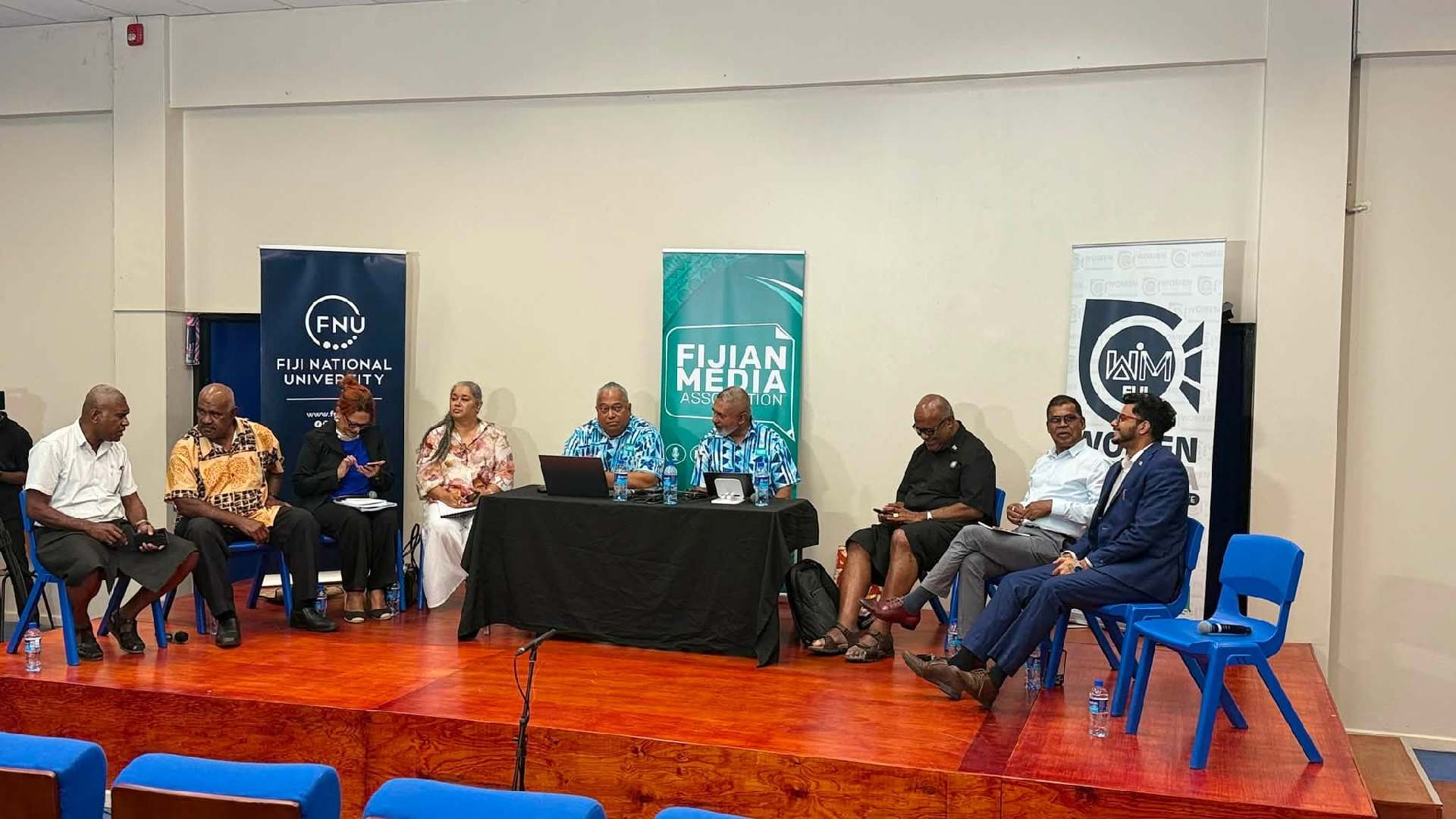
Kamikamica says he answered a question at the Fijian Media Association Town Hall Forum in Nadi this week, but the newspaper article suggested he described the $5 million increase in Cabinet costs as "bugger all", which is not correct.
He says he was responding to Opposition MP and People First Party representative Rinesh Sharma's criticism of government spending.
Kamikamica says when pressed, Sharma identified increased Cabinet costs as an area for reduction, implying wastage while avoiding identifying any other areas.
The Deputy Prime Minister says he then gave the audience one of many examples of wastage by the previous FijiFirst Government.
He adds that with film rebates alone, the FijiFirst Government reimbursed 75 percent of local expenditure to international companies, which was excessive by any standard.
Kamikamica says that as a result, the FijiFirst Government left them with a $200 million debt to pay when they came into office, and they can only imagine how many infrastructure projects could have been repaired with those funds.
He says the Coalition Government realised they had to fix this or it would destroy Fiji's film industry and its reputation.
He further says that, as of the last count, they have only $6 million remaining to pay, and by working with the Film Fiji Board and management, they saved $22 million through negotiations.
The Minister says that when comparing the $5 million in perceived wastage raised by Sharma, which is debatable, with the $200 million in wasteful spending committed by the FijiFirst Government, that was the context in which he used the words "bugger all" — comparing $200 million with $5 million.
Kamikamica apologised for using the words "bugger all", acknowledging that they were a poor choice of words, but he urges everyone to look at this in its proper context.
He adds that the FijiFirst Government wasted $200 million and did not pay.
He further adds that they fixed the problem, saved Fiji's film industry and saved $22 million through skilful negotiations.
The Deputy Prime Minister says the context for his response was not the $5 million saving itself; it was the comparison being drawn.
He says the Coalition Government inherited a very large unbudgeted hole, which was the direct result of decisions made under the previous administration, including film rebate arrangements that committed far more than had been set aside.
Kamikamica says that is not a partisan point; it is simply what the books showed when they opened them.
He adds that when a $5 million saving is discussed as if that is where the real problem lies, while a shortfall many times that size goes unmentioned, he reacted with a phrase he should not have used, and that is not like him.
The Deputy Prime Minister says, to be fair, a $5 million saving is not insignificant, as it is still real money, and every dollar of public money matters.
Kamikamica says he does not doubt the sincerity of anyone who raises it, as everyone wants the same thing: a Fiji that spends carefully and delivers for its people.
He says the full picture is what deserves their attention, not just one line of it.
He also says that means examining what they inherited, what they have done with it and what they are building now.
He adds that it means all of them — Government and Opposition — should be judged on their records, not just one line of them.
The Deputy Prime Minister says they should let the record speak, not with insults, but with facts, and that is the standard the people deserve.
We are currently trying to speak to the Fiji Times.