Fiji’s recycling community is standing in solidarity with Nepal following devastating floods that have claimed lives and left members of the country’s vulnerable waste-picking community missing.
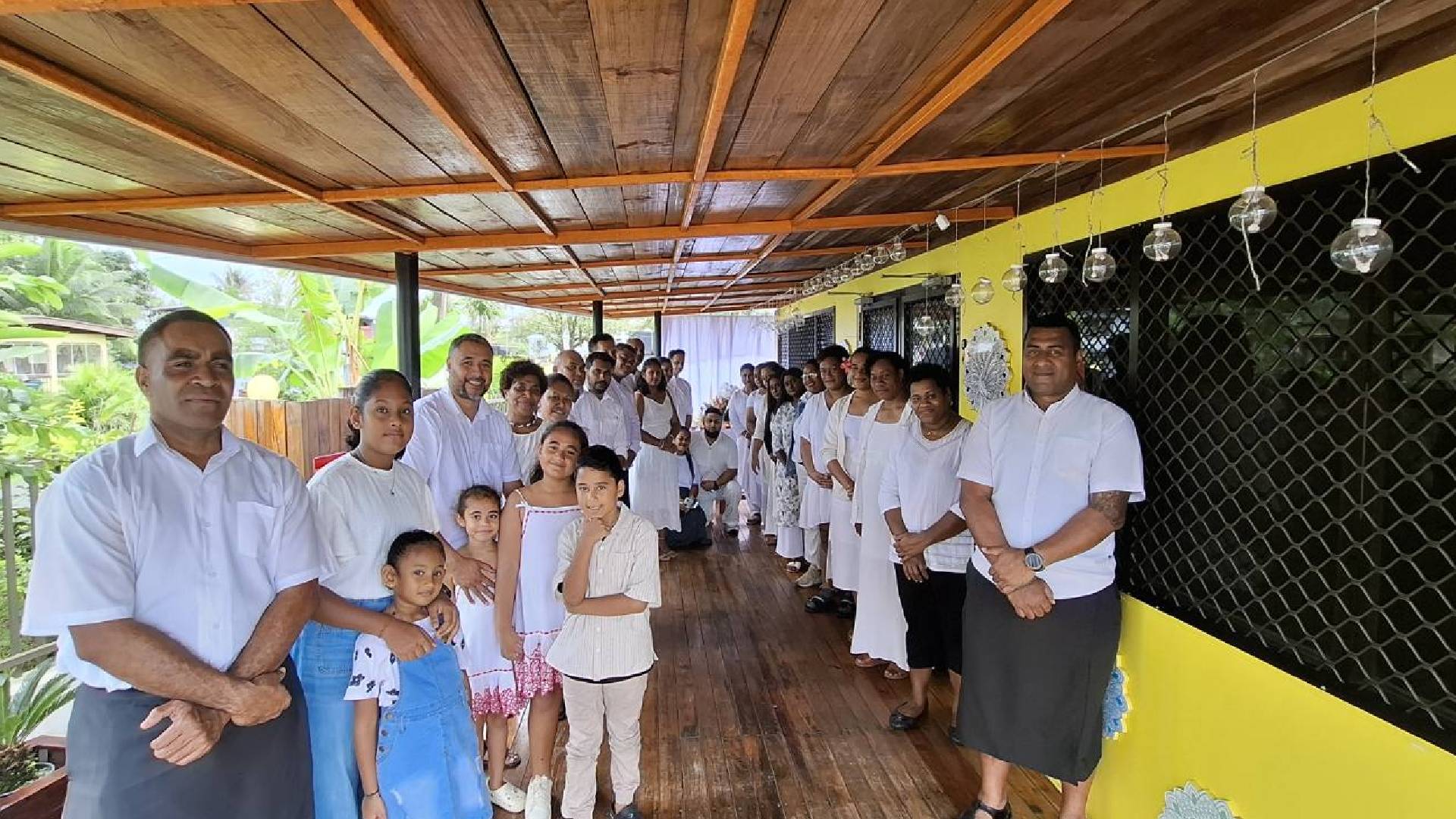
A vigil was held at Malhana Cloud Kitchen Restaurant yesterday morning to remember the victims and offer prayers to their families.
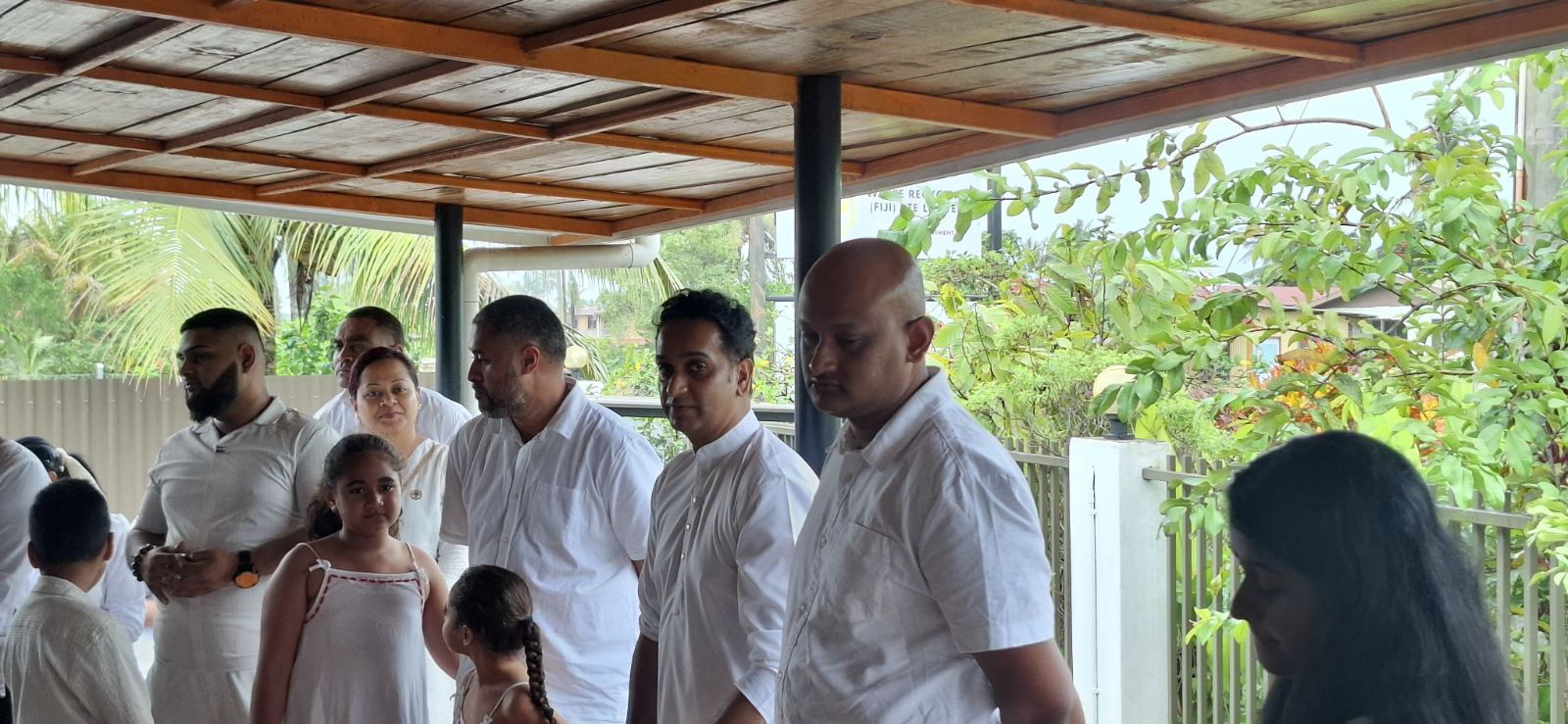
The Pacific Recycling Foundation, together with Waste Recyclers Fiji Limited, the Pacific Recyclers Association and members of Fiji’s recycling community, held the vigil as a gesture of remembrance and solidarity.
Participants were dressed in white as a symbol of solidarity and remembrance, while a dedicated space was set up with candles and messages of support for the people of Nepal.
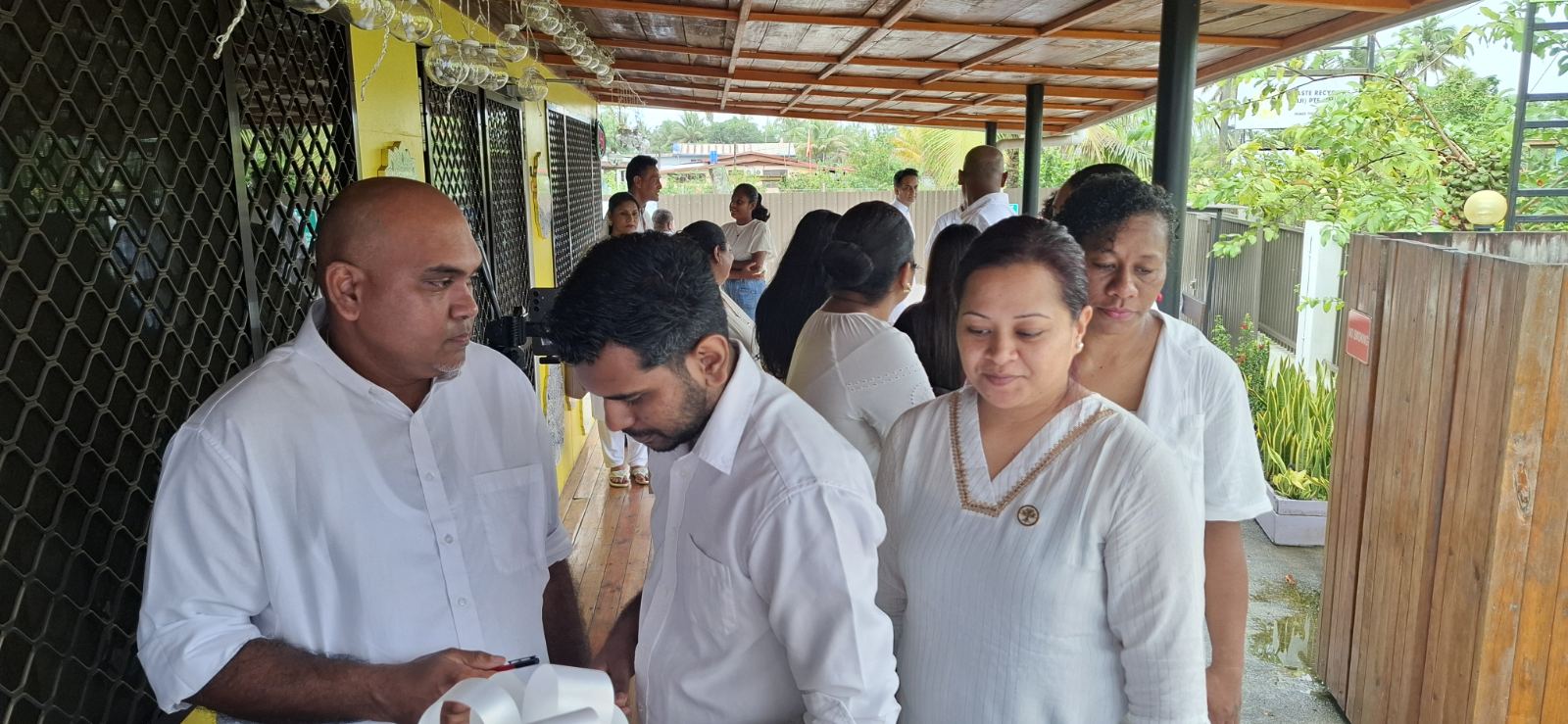
Special Projects Manager for Waste Recyclers Fiji Limited, John Wilson, says the vigil is being held to remember those who have lost their lives, those who are still missing, and the families and communities affected by the disaster.
Wilson says they have received news that some members of Nepal’s Collection Pillars of Recycling, or CPR community, have also lost their lives.
He says he and Pacific Recycling Foundation Founder Amitesh Deo, together with two other colleagues, travelled to Nepal in 2024 to attend a conference involving informal waste leaders.
Wilson says they experienced first-hand how welcoming and generous the people of Nepal are, despite many coming from marginalised backgrounds.
He says this gives them an understanding of the magnitude of what the affected communities have lost.
Wilson says the vigil is also an opportunity to recognise the contribution waste pickers and recycling workers make to waste management in Nepal.
He says their prayers are with those who have lost loved ones and those still searching for missing family members, with the hope that their lives will eventually return to some level of normalcy.
Meanwhile, Deo says today’s vigil is a “small prayer from Fiji”, supported by the organisation’s regional alliance members, for the people of Nepal.
He says the organisation received devastating news that people involved in waste picking in Nepal, including some with whom they have close relationships, had lost their lives, while some family members remain missing.
Deo says disasters often affect the most vulnerable communities the hardest.
He says women, people collecting recyclables and waste-picking communities are already marginalised and vulnerable, and the disaster has further affected their lives.
Deo says there is still an unknown number of people involved in informal waste collection who remain missing.
He says the Pacific Recycling Foundation has a longstanding connection with Nepal’s recycling community, having engaged with CPRs during the International Alliance of Waste Pickers Asia Pacific Region Coordination Meeting in Nepal in 2024.
Deo says several members of the CPR community affected by the current disaster are people with whom Fiji has built relationships.
He says this is why it is important for Fiji’s recycling community to stand with them during this difficult time.
Deo says people also need to recognise that humanity must come first during times of crisis, particularly when vulnerable communities are affected.
He says although the disaster is happening in Nepal, it is connected to people in Fiji and around the world through the wider impacts of climate change.
Deo says people need to respond not only through prayers, love and condolences, but also by looking at their own actions and how these may contribute to climate change.
He also raises concern about discrimination, saying it is troubling that even during a time of tragedy, people can still be divided along racial or religious lines.
Deo says a comment suggesting victims had believed in the “wrong God” was particularly heartbreaking.
He says people should instead stand together in solidarity and see one another first as human beings.
Deo says discrimination also continues to affect Collection Pillars of Recycling communities in Fiji.
He says waste pickers are among the most marginalised communities in Fiji, the Pacific and globally, and they need to be empowered and better protected.
Deo says Nepal has an estimated 10,000 to 20,000 people involved in informal waste collection.
He is calling on members of the public to keep the people of Nepal in their prayers and hearts, particularly those who have lost loved ones and families still waiting for news about missing relatives.