Family breakdown and emotional disconnection remain among the primary drivers of displacement among street-connected children.
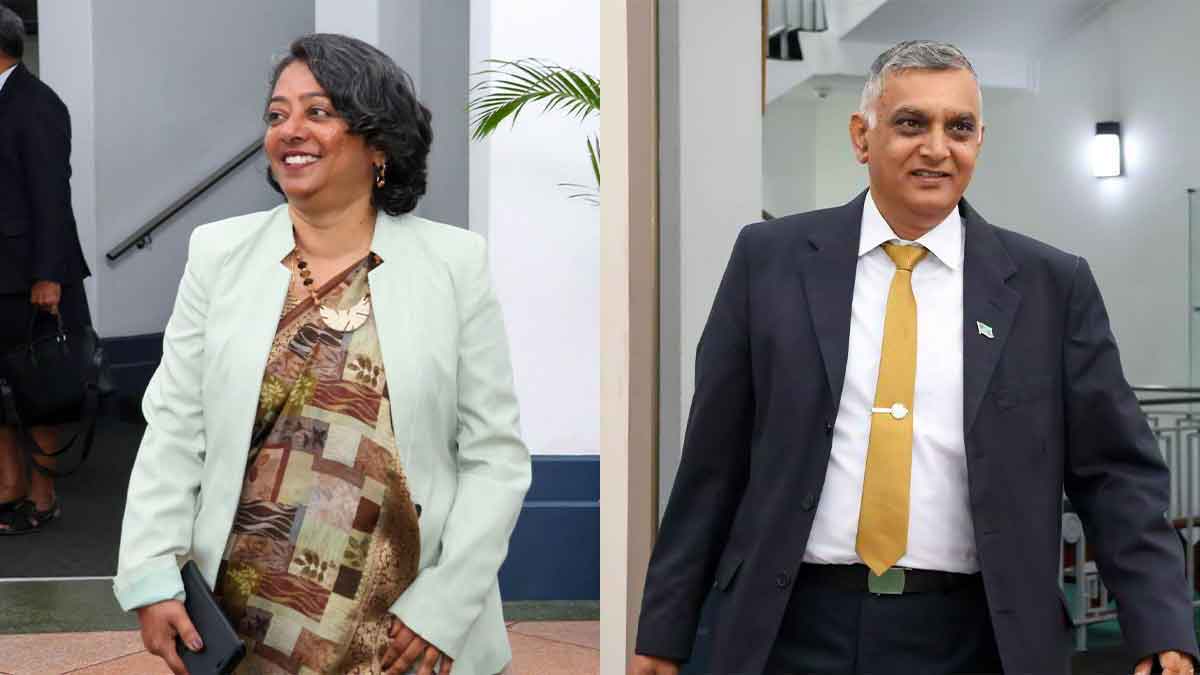
This was highlighted by Minister for Women, Children and Social Protection Sashi Kiran while speaking in Parliament, stressing people often ask what is being done to remove children from the streets, but the real question is why they are on the streets in the first place.
She says when children do not feel safe, valued or loved at home, they become increasingly vulnerable to exploitation by criminal and drug networks.
Drawing on her personal interactions with these children, she says many speak of family breakdown, parental abandonment, violence, neglect and profound emotional disconnection.
Insert: Kiran on street kids 19th Aug
She says the Government is also establishing a specialised rehabilitation facility for street-connected children in Suva.
She says Fiji must reverse this reality and strengthen the traditional protective pillars of Fijian society.
She says active, emotionally present and nurturing parenting is essential in building the resilience and strength of character that children need to resist substance abuse and exploitation.
Kiran says Fiji must revive its traditional support systems.
Through a whole-of-government approach and in partnership with UNICEF Pacific, she says Bebbo Pacific, Fiji's first free digital parenting application, has been launched.
She says the application supports Fiji's national early childhood development policy and provides practical guidance from pregnancy through to a child's sixth birthday.
Kiran shares more than 1,300 downloads were recorded within its first six weeks and described the initial response as highly encouraging.
She adds when strong foundations of love, values and open communication are built at home, children will have the confidence and resilience to resist harmful influences, adding that children should not need drug dealers or criminal networks to tell them that they matter and belong.
She says help is available and families can call the 24-hour toll-free helpline 5626 to seek support and assistance.
During the Bebbo Pacific awareness programme, she says grandparents showed officials games their grandchildren had downloaded on their phones saying they did not realise that some of these applications depict violence that is not age-appropriate and could influence behaviour from an early age.
Kiran also highlights the surge in alcohol and substance abuse among children is driving an alarming rise in mental health challenges, domestic violence, self-harm and violent crime.
Kiran says Fiji's geographic position as a transit point for international trafficking networks has meant highly addictive substances, particularly methamphetamine, have become alarmingly accessible to children.
Kiran says Fiji recorded 1,501 illicit substance cases in 2020, including 100 cases involving methamphetamine and four involving cocaine.
She says most concerning of all is that children as young as 10 to 14 years old are now becoming trapped in the cycle of addiction.
Kiran says Fiji has witnessed rising youth mortality, an increase in crime and growing public health risks, including HIV transmission through shared needles.
She says there have also been ineffective treatment outcomes due to a shortage of specialist child psychologists and psychiatrists.
She says in partnership with Empower Pacific, Fiji's first dedicated residential recovery facility for adolescent boys aged 14 to 17 has been established.
She adds the facility, named Na Sala Vou Recovery Centre, provides a safe and structured environment where young men can heal, learn and rebuild their lives.
Kiran says the Government currently supports a transitional facility through the Kauwai Youth Restoration Centre, operated by the Salvation Army, which provides temporary care and support for vulnerable children identified as living on the streets.
Meanwhile, responding to the Minister’s statement, Opposition MP Virendra Lal questioned why so many young people are reaching the point where rehabilitation is required in the first place.
He says if resources are concentrated on treating young people after they become addicted, while the circumstances exposing them to drugs and alcohol are not addressed, Fiji will continue dealing with the consequences rather than the causes.
Lal also questioned the reach of Bebbo Pacific, saying technology can provide useful information and guidance, but an application on a mobile phone cannot replace an involved parent, counsellor, social worker or a functioning family support system.
He says the Government needs to ensure the initiative reaches the families who need assistance the most, noting that some vulnerable families may not know about the application, may have limited access to reliable internet services, or may require direct human assistance rather than information delivered through a screen.
Lal says young people facing substance abuse problems live throughout Fiji, including in rural and maritime communities, and the Government must explain how families in the Western Division, Northern Division and Maritime Islands will access appropriate rehabilitation and counselling services when their children need help.