Domestic violence should be recognized as a public health issue as it is not just about criminal justice.
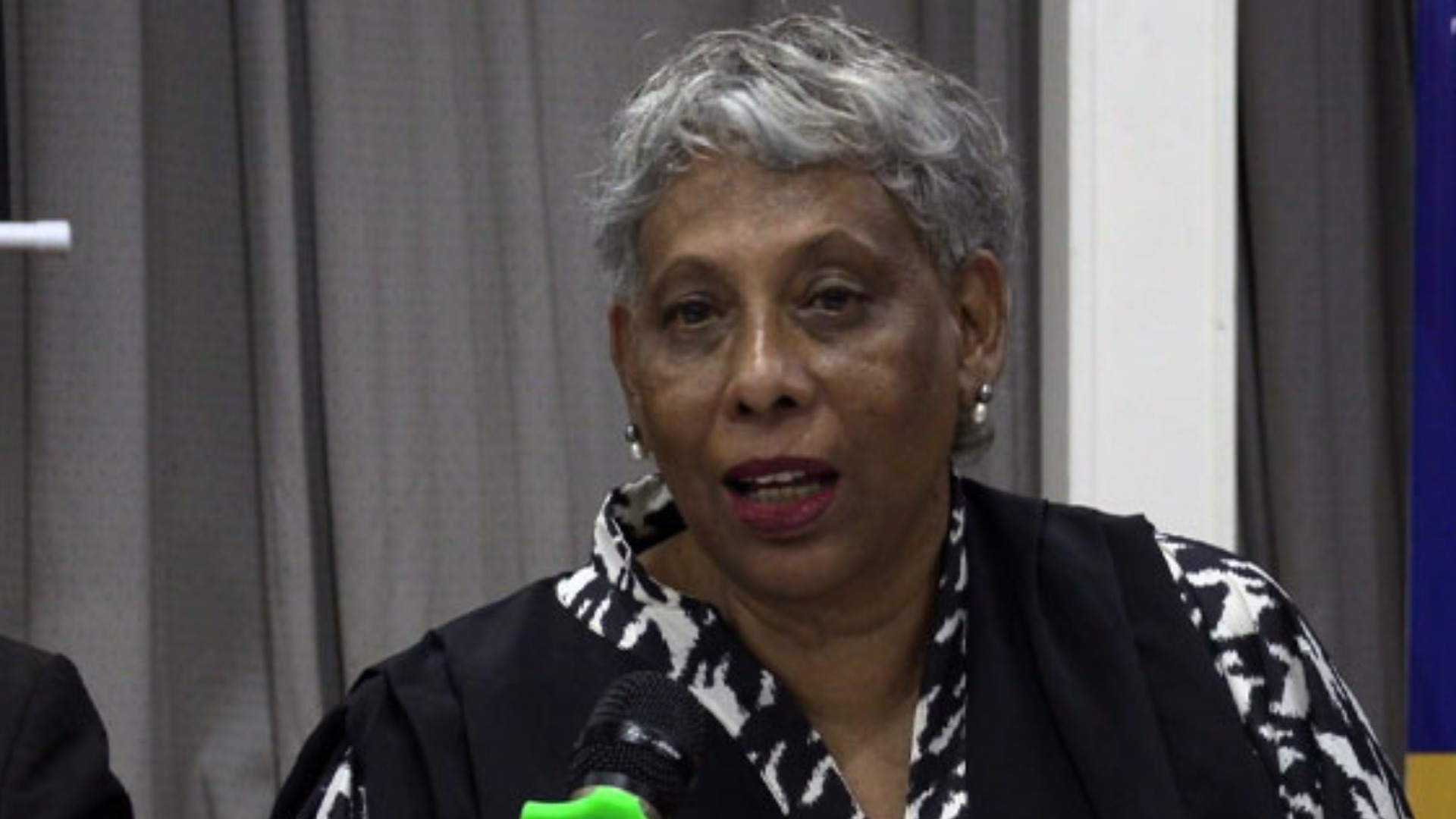
This has been highlighted by University of Fiji Vice Chancellor Professor Shaista Shameem while making a submission to the Social Affairs Committee of Parliament Public Health (Amendment) Bill 2026 where they are calling in the Parliament to make it more relevant for the times and establish a sustainable and effective public health legislative framework that will confront, head on, the challenges and realities affecting the physical and mental well-being of all the communities in Fiji.
Professor Shameem says the consequences of domestic violence extends far beyond the immediate victim, affecting physical and mental health, family wellbeing and community resilience.
She says a modern Public Health Act should recognize this reality by supporting prevention, early intervention, referral pathways and coordinated responses across the health, justice and social sectors.
Professor Shameem says the protection of children must become a central objective of public health policy, highlighting that the health of our children is one of the strongest indicators of the health of our nation.
The Vice Chancellor says children are particularly vulnerable to disease, unsafe environments, poor sanitation, effects of climate crisis and other preventable risks.
She says a modern Public Health Act should expressly recognize children as a priority for protection and promote healthy environments in which every child can grow, learn and thrive.
Professor Shameem further says the Bill must contain a Purpose clause, currently missing, adding the draft Bill presented to the public for consultation did not explain its purpose.
She says any public health law must be located in the social fabric of society and provide safeguards for future generations; at the same time, parliament, as representatives of the people, can now consider restructuring the public health system to ensure delivery is devolved to the communities to make everyone feel equally responsible for it, and not just central government.
Professor Shameem says the Bill should do more than amend outdated legislation, stressing that it should redefine public health for the twenty-first century and include mental as well as physical health protections for all, particularly for those disadvantaged and vulnerable in all the communities.
The Vice Chancellor says cultural nuances in responses to health issues and crises cannot be under-emphasized in the authorities’ responses to achieving well-being of the nation as a whole.
Professor Shameem says public health is much broader than medicine; a relevant legislative framework should create conditions in which people can live healthy lives, physically and mentally.
She stresses safe drinking water, sanitation, food safety, environmental protection, healthy housing, disease prevention, child protection and wellbeing, protection from domestic violence, and building climate resilience are all matters of public health and a modern Public Health Act should reflect this broader understanding.
Professor Shameem says the University has also recommended that Fiji devolve and de-centralize public health resourcing and services throughout the country so that prevention, protection, especially of women and children, environmental health services, disease surveillance and emergency response are delivered directly to the communities.
She says public health is most effective when decisions are made and services are delivered at community level, stressing, devolving public health services throughout Fiji will strengthen prevention, improve access to services, build local capacity and ensure that rural and maritime communities receive the same level of protection as urban centres.
Professor Shameem says clean water, effective sanitation, food safety, waste management, pollution control and healthy living environments prevent disease before it occurs.
She says the University has therefore recommended stronger environmental health leadership, clearer institutional responsibilities and effective coordination to ensure that environmental health remains central to public health policy.
Professor Shameem further says climate change is now one of the greatest public health challenges facing Fiji as it affects the quality of our water, our food security, our environment, the spread of disease and the resilience of our communities, therefore, public health legislation must recognize these realities and provide a framework that strengthens prevention, preparedness and coordinated responses.
Professor Shameem says effective public health laws also require sensible and effective governance structures.
She says the Bill in its current form creates significant public powers which are essential for protecting public health, but they must be exercised within a framework of transparency, accountability and appropriate legal safeguards, stressing good governance strengthens public confidence and ensures that public authorities exercise their powers fairly, lawfully and proportionately.
The University has also recommended that the proposed Central Board of Health include representatives from universities offering medical and nursing qualifications.
Professor Shameem says that public health decisions should be informed by science, research and professional expertise.
She also says universities make an important contribution through research, innovation and evidence-based advice and tTheir active participation in the proposed governance and oversight model will strengthen national public health policy and decision-making.
The Vice Chancellor says such research may not be accorded the importance it should be, but with adequate funding the Universities can do more in the public health interest.
Professor Shameem says the new law should also reflect contemporary medical knowledge and promote dignity.
She says the continued use of the term 'venereal disease' in the draft Bill is outdated and carries unnecessary stigma.
Professor Shameem says modern legislation should adopt respectful and scientifically accurate terminology such as 'sexually transmitted infections', adding, the law should never reinforce stigma or discourage people from seeking treatment.
The University has also recommended modernizing outdated terminology throughout the legislation, strengthening institutional arrangements for environmental health, improving coordination between public authorities to avoid unnecessary overlap with existing legislation, and adopting a proportionate penalty framework that effectively deters conduct that places public health at risk.
Professor Shameem says Fiji now has an opportunity to enact legislation that looks to the future rather than the past.
She says this Bill should do more than amend legislation enacted almost a century ago.
Professor Shameem stresses it should establish a new vision of public health for Fiji—one that recognizes that protecting health means protecting our environment, supporting our communities, safeguarding children, addressing domestic violence fully, responding to climate crisis and ensuring that public institutions are guided by science, accountability and public good governance.
She highlights that the decisions Parliament makes today will shape the health, safety and wellbeing of generations of Fijians and this is an opportunity that should not be missed.