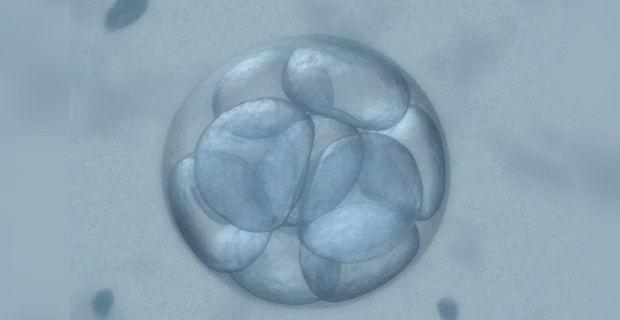
US scientists have successfully edited the DNA of human embryos to erase a frequently lethal heart condition, cracking open the doors to a controversial new era in medicine.
This is the first time gene editing on human embryos has been conducted in the United States. Researchers said in interviews this week they consider their work very basic.
The embryos were allowed to grow for only a few days and there was never any intention to implant them to create a pregnancy.
But they also acknowledged they will continue to move forward with the science with the ultimate goal of being able to "correct" disease‑causing genes in embryos that will develop into babies.
News of the remarkable experiment began to circulate last week, but details became public yesterday with a paper in the journal Nature.
The most recent work is particularly sensitive because it involves changes to the germ line, that is, genes that could be passed on to future generations.
The US forbids the use of federal funds for embryo research and the Food and Drug Administration is prohibited from considering any clinical trials involving genetic modifications that can be inherited.
Source: The Washington Post
