Many changes are expected in the next few months as the government aims to improve the delivery of services to the people.
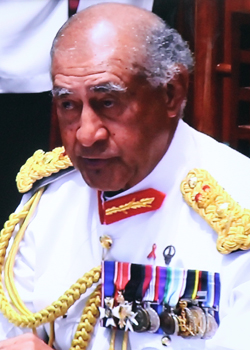
President Ratu Epeli Nailatikau said the government will strengthen and streamline the Tertiary Education Loan Scheme to make it more efficient.
While addressing parliament, Ratu Epeli said that by 2016 the scheme will be extended to those who already have a diploma or who are in the workforce and want to gain formal qualifications.
He also said that the government will continue with the existing social security system for those pensioners who have never been a member of the FNPF.
The eligibility age will be lowered to 68 years from 1st July 2015 and then further lowered to the age of 66 from 1st July 2016.
The President said the government will provide all medicine prescribed by a doctor and currently under price control for all Fijians who earn less than $20,000 a year.
This includes medicine for non-communicable diseases.
He further said that the government will ensure all essential drugs will remain under price control and that there is a regular supply of all essential medicine through the public health system.
Ratu Epeli also said that the government will provide land and funding to the Fiji National University to establish a world class tertiary hospital in Lautoka.
This is to run in collaboration with the university’s medical college. Once this hospital is operational, Fijian citizens earning a household income of less than $20,000 will receive medical procedures free of charge.
For retirees, irrespective of whether they are on pension or not, the cost of all procedures will be borne by government.
The Head of State has revealed that the government will set up a parliamentary and government committee to oversee the quick implementation of socio-economic rights.
This committee will oversee a transparent program with public involvement to integrate the provision of socio-economic rights through every government decision making process.
This includes the right to work for a just minimum wage, the right to education, the right to economic participation, the right to reasonable access to transportation, the rights of persons with disabilities, the right to housing and sanitation, the right to adequate food and water, the rights of children, the right to social security services, the right to health and environmental rights.