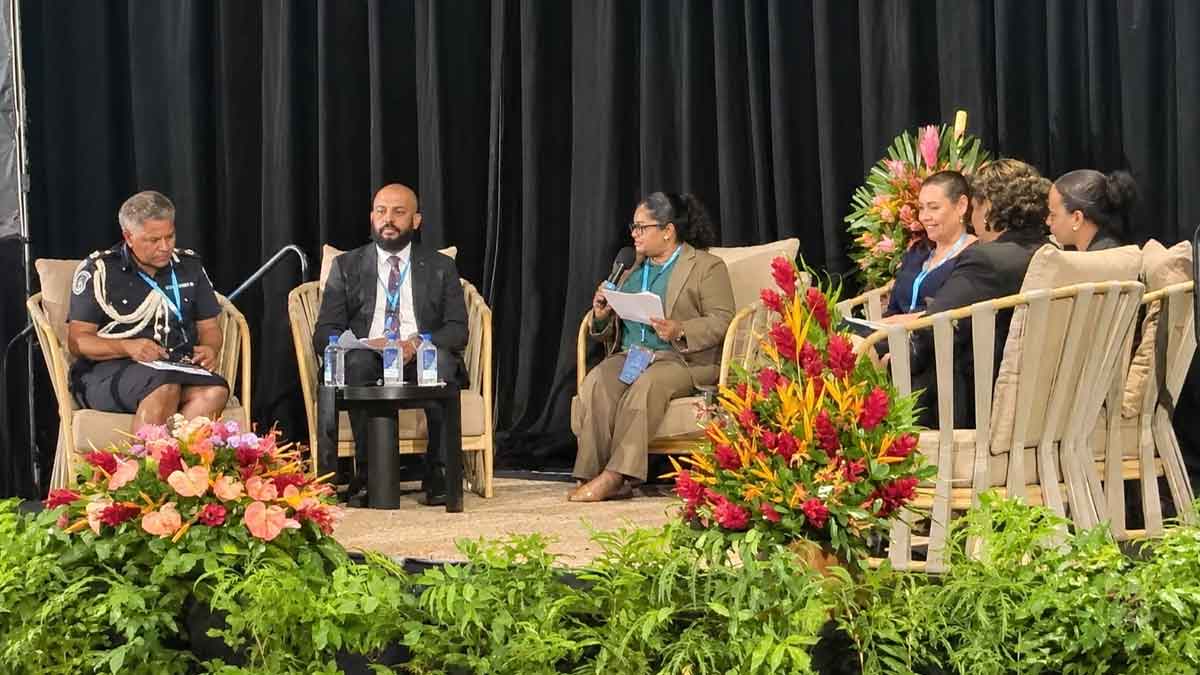
The Acting Director of Public Prosecutions, Nancy Tikoisuva, says one of their major challenges is being able to identify whether a particular case involves human trafficking.
With the United States Trafficking in Persons (TIP) 2026 Report identifying 50 victims of trafficking, without any prosecution in Fiji, Tikoisuva stressed that prosecutors need to have the lens to know if a case their handling is a trafficking one which will be very helpful to them, but they have challenges in this area.
Speaking as a panellist during the 2026 Annual DPPs Conference at the Shangri-La Fijian Resort, Tikoisuva stressed that some cases they have been prosecuting as other offences may not have been identified as potential human trafficking cases that should have been pursued.
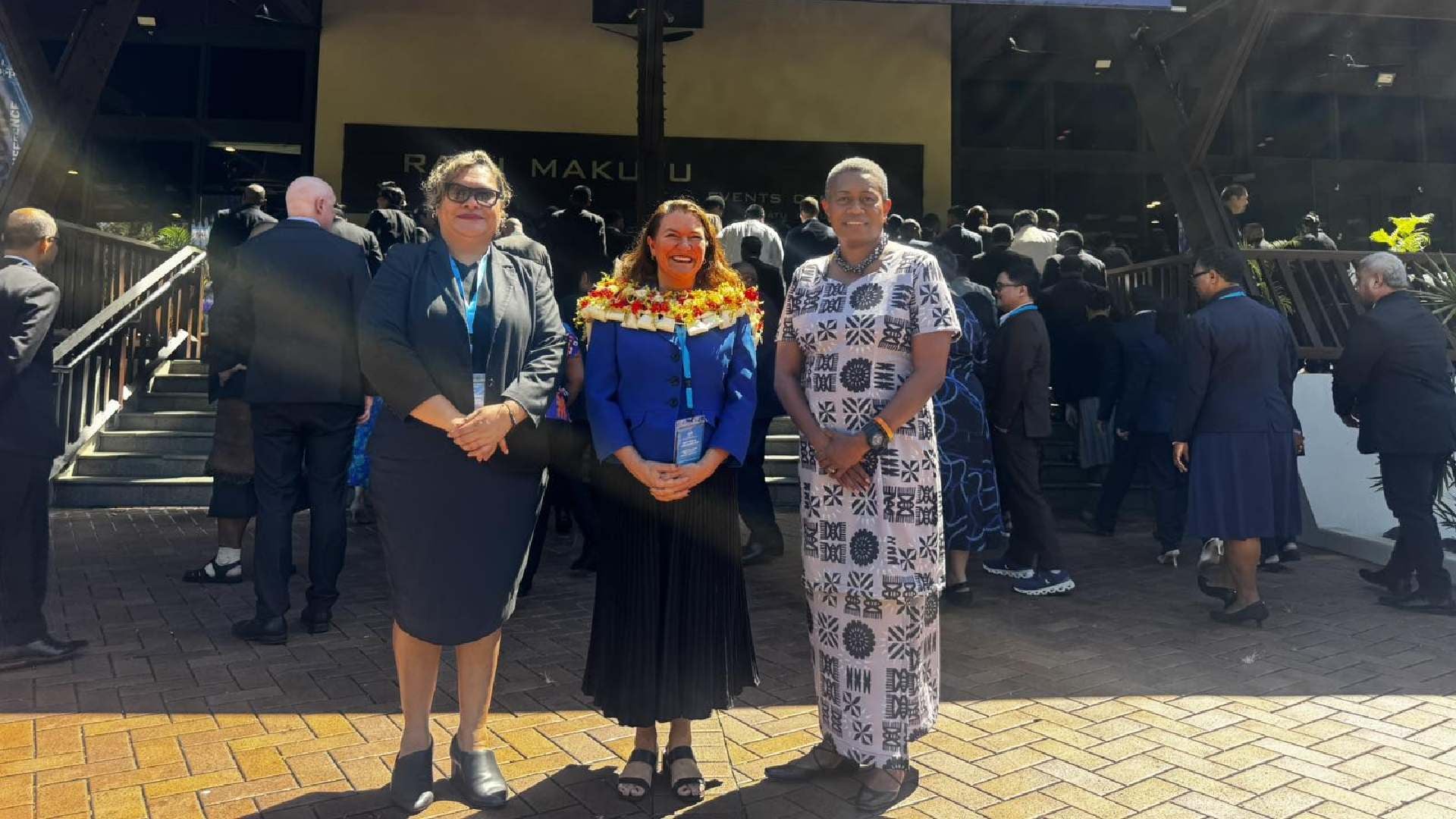
She says when they provide legal opinions, they may initially identify a case as involving another offence, only to realise later that it is a trafficking case.
She highlighted that another challenge is that by the time trafficking elements are identified, much of the evidence may have gone missing or witnesses may have passed away.
She adds that it is very difficult to go back and pursue that angle after several years of investigation.
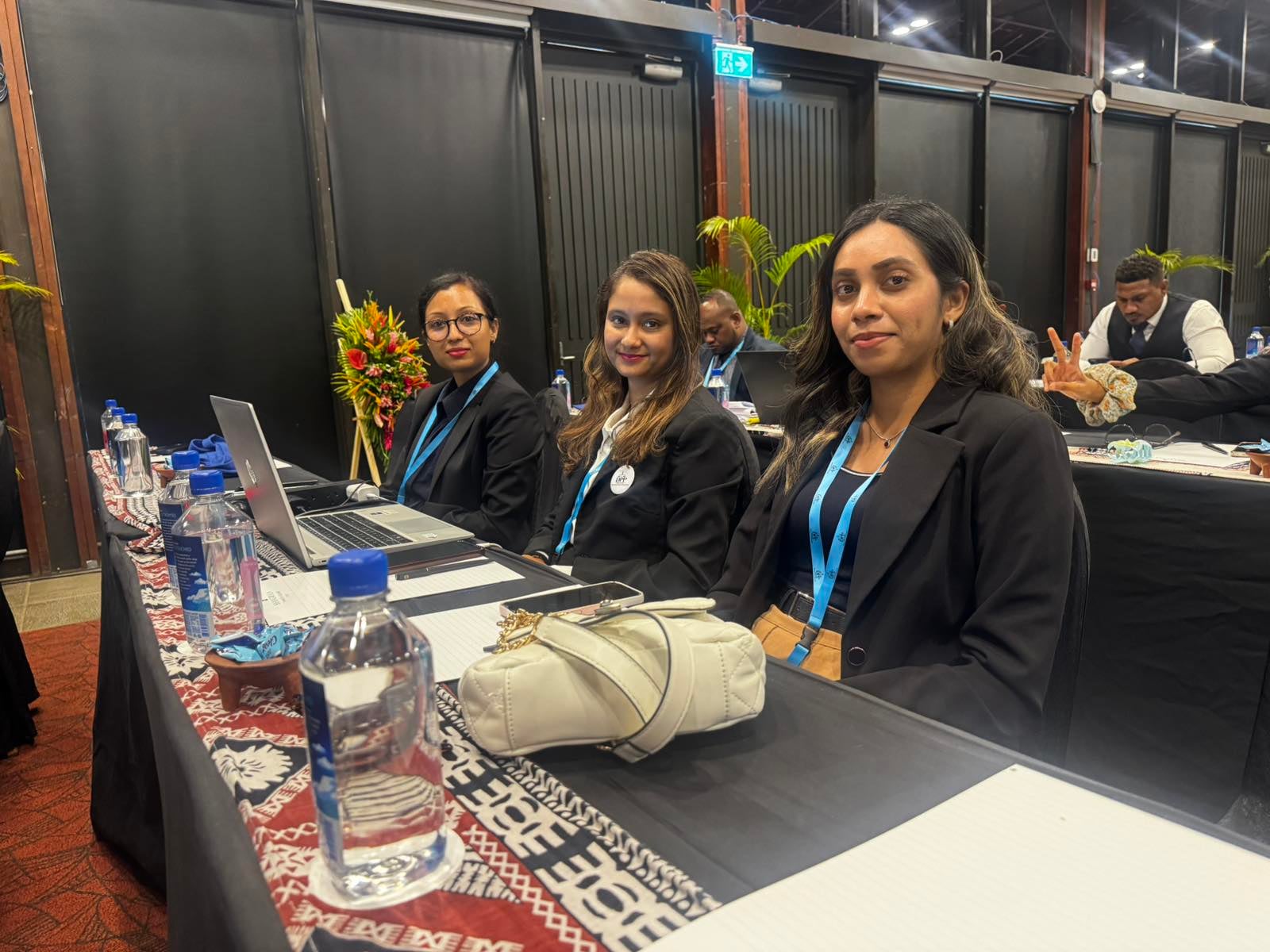
The Acting Director of Public Prosecutions says trafficking is not easily identifiable because sometimes victims' statements indicate that everything is fine but behind their smiles may be someone in need of help.
She adds that when taking statements, prosecutors should look beyond what is initially said to understand the truth behind the statements.
Insert: Nancy on challenges, 19th Nov 26
Meanwhile, Assistant Commissioner of Police (ACP) Crime Loraini Seru says the Fiji Police Force's main challenges in investigating trafficking cases are handling victims and securing the right evidence to prosecute suspects.
Speaking on the challenges faced by the Police Force, Seru says they must be careful when selecting the appropriate officers to handle victims.
The Assistant Commissioner acknowledges the assistance of the New Zealand Police, who have been conducting specialised training on video-recorded interviews with victims.
She adds that a selected group of female officers is taking part in this training to learn how to handle victims of trafficking and record their statements.
Seru also highlighted the need to secure the right evidence to establish sufficient grounds to bring someone in for an interview under caution.
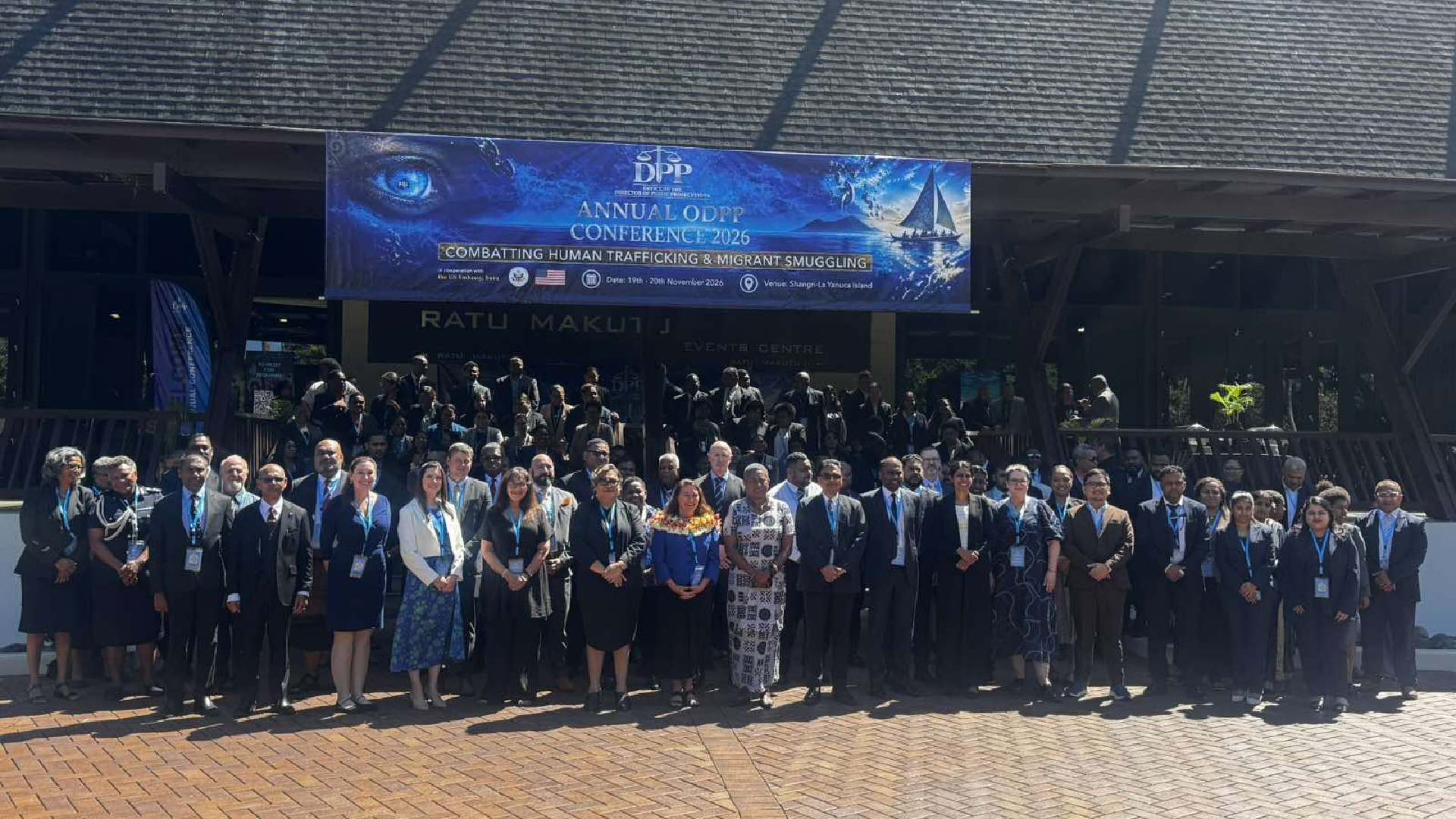
The conference brought together more than 170 participants from Fiji and across the Pacific for a two-day event focused on strengthening collective efforts to combat human trafficking and migrant smuggling.
Held under the theme "Combating Human Trafficking and Migrant Smuggling", the conference highlighted the importance of bringing together key stakeholders to address the complex and evolving challenges associated with these serious offences.
A key highlight of the day was a presentation on the United States Trafficking in Persons (TIP) 2026 Report, which examined Fiji's standing, the implications for the country and recommendations for strengthening its response to human trafficking.
The report states that last year, police opened six trafficking investigations, while the government initiated two trafficking prosecutions, the first in several years.
It also identifies that some labour trafficking cases are still being handled as labour or immigration violations.
Labour officials investigated cases involving 272 foreign workers but did not refer any potential trafficking cases to police.
The report finds that closer communication between police and prosecutors, along with stronger support for victims and witnesses throughout lengthy proceedings, would help strengthen these cases.
This year, Fiji remains on the Tier 2 Watch List for the third consecutive year.