The proposed amendments to Fiji’s 2013 Constitution should be put on hold until after the 2026 general elections, with any changes considered by the incoming government.
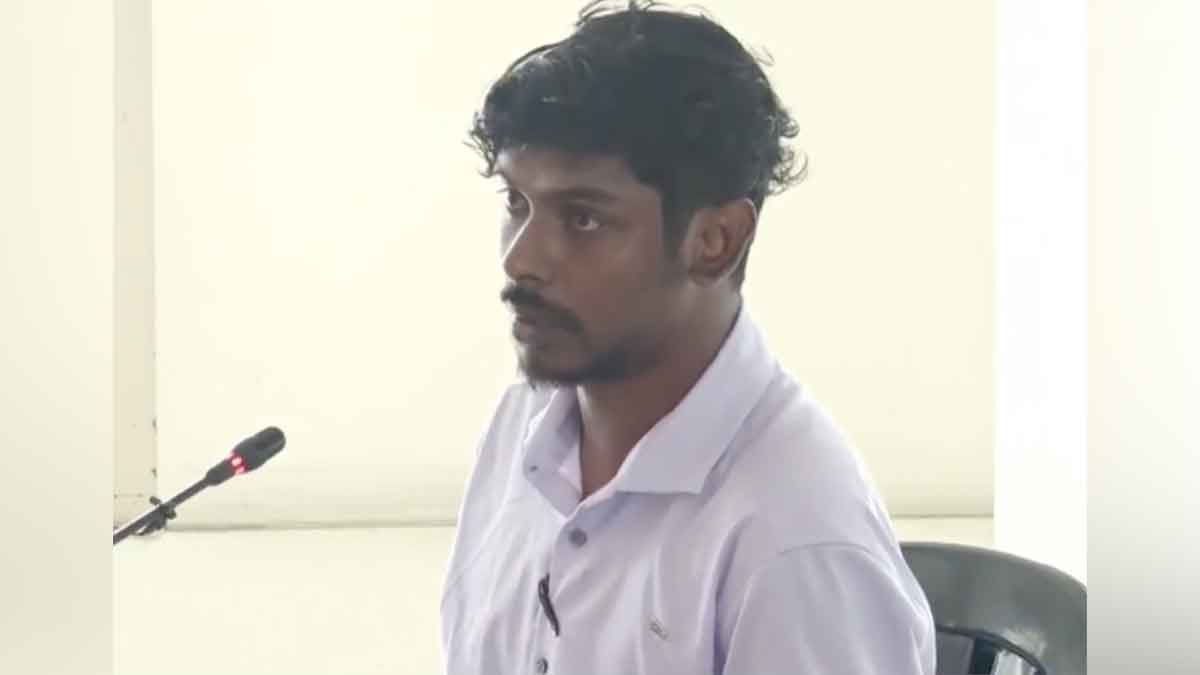
This has been highlighted by Lautoka youth leader and founder of the One Nation Our People Youth Club, Abdul Zorhab who made the submission during public consultations on the Constitution (Amendment) Bill No. 32 of 2026, telling the parliamentary committee that he does not support amending the current Constitution at this time.
He says while specific clauses may need to be amended, he is not convinced that Fiji needs an entirely new Constitution and believes the process should be reconsidered after the election.
Zorhab questioned the urgency of the proposed amendments, saying families are facing rising living costs, communities are dealing with water shortages, farmers need assistance and young people are leaving Fiji in search of employment opportunities.
He told the committee that his own community had gone without water for three to four days, despite attempts to contact the Water Authority of Fiji and the expectation that water tanks would be delivered.
Zorhab also shared concerns about youth migration, saying his youth club, which was established in 2020 with 45 members, now has only 25, with many of its former members having moved overseas for work.
He says the proposed Bill should also be made available in languages other than English to give people who do not understand English enough time to consider its contents.
Responding to questions from committee members about the consultation and amendment process, Zorhab acknowledged that the process had been underway for almost two years.
However, he pointed to the completion of the Constitution Review Commission’s report and draft in August 2026, the introduction of the Government’s Bill on 30th September and its progression to the second reading on 2nd October.
He also noted that the parliamentary public consultations began on 15th October, saying the time available for people to understand and respond to the proposed changes was a concern.
Committee member Sachida Nand reminded Zorhab that rising living costs were a global issue and that migration from Fiji had been taking place for many years.
Zorhab maintained that these were among the realities facing communities and questioned why constitutional changes should take priority while people continued to deal with these challenges.
He told the committee that any weaknesses in the current constitution should be clearly identified, independently examined and openly discussed, but says this does not automatically justify replacing the entire Constitution.