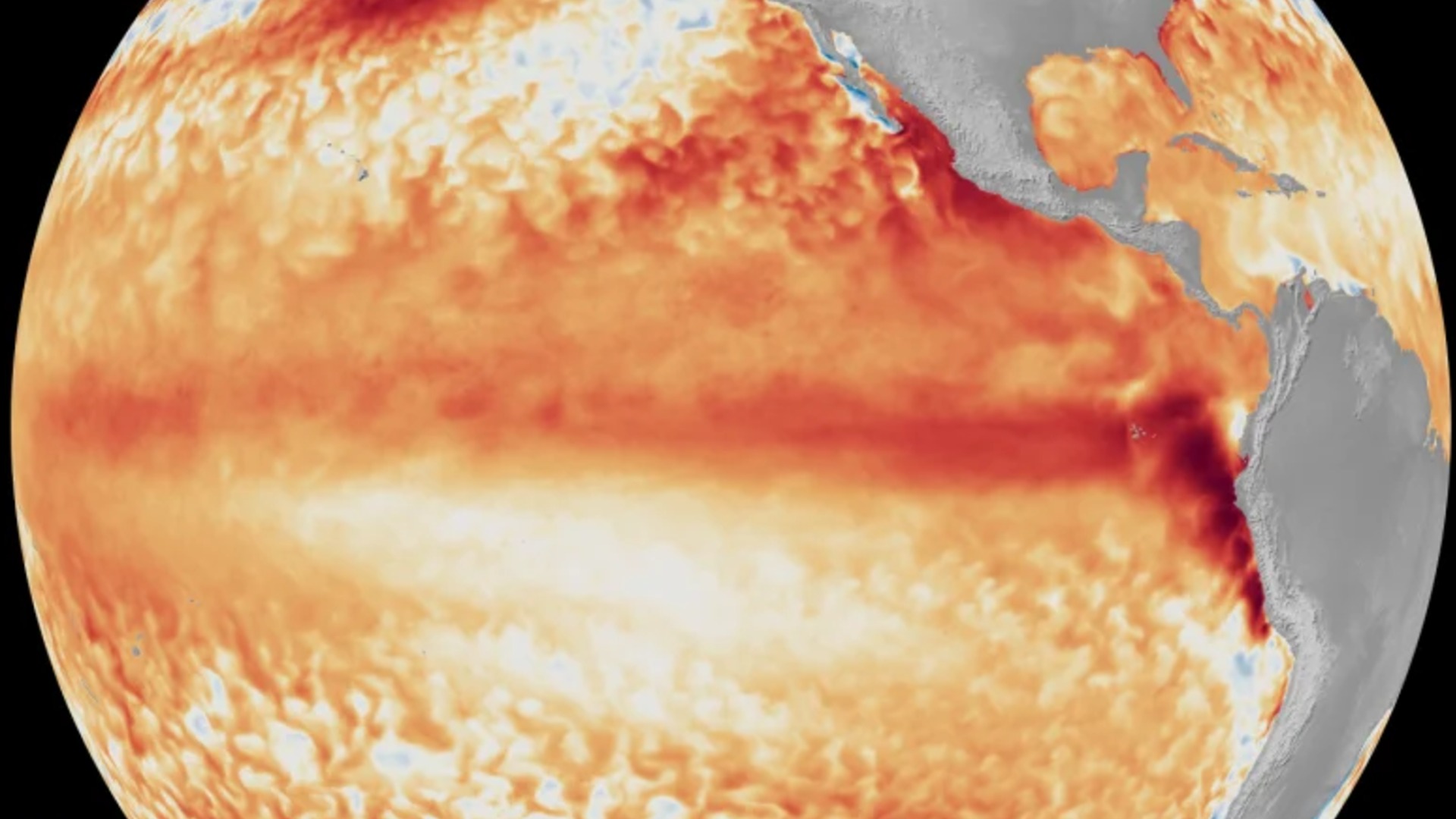
Be prepared as US forecasters say this year the planet could see the strongest El Niño event on record, and the United Nations World Food Programme estimates that El Niño could push at least 49 million more people into acute food insecurity by the end of 2027.
This year’s El Nino began developing in June 2026 and is expected to peak by early 2027, with forecasters warning it could be one of the strongest ever recorded.
The National Oceanic and Atmospheric Administration Climate Prediction Centre expects it to persist through March to May 2027.
It's already being called "Super El Niño" and even "Godzilla El Niño."
El Niño is a natural climate pattern that has far-reaching impacts across the planet, potentially affecting hundreds of millions of people.
El Niño occurs every two to seven years.
It develops when a vast amount of water in the eastern Pacific Ocean warms up around the equator.
That water releases massive heat, redistributing warmth from the ocean to the atmosphere. That shifts weather patterns around the world.
The flip side of El Niño is a La Niña, which is marked by relatively cool water in the tropical Pacific around the equator.
These events are responsible for some of the biggest weather variability the planet experiences.
NOAA forecasters say this year's El Niño will fall into the "very strong" category.
It's measured by the temperature of the ocean in a particular region off South America.
The warmer the water, the stronger the El Niño.
When that water is more than 2 degrees Celsius warmer than average, it qualifies as a "very strong" El Niño.
All that added heat in the atmosphere raises temperatures globally.
El Niño years tend to be the hottest on record.
Forecasters say this year may get close to taking the top spot, but it's very likely that temperature records could fall in 2027.
The planet is already warmer due to climate change, because emissions from burning fossil fuels are trapping more heat in the atmosphere.
El Niño also shifts rainfall patterns globally, raising the chances for destructive flooding in some parts of the world. Other regions get drier, exacerbating droughts.
Both impacts can be catastrophic to agriculture around the world.
Source : NPR
