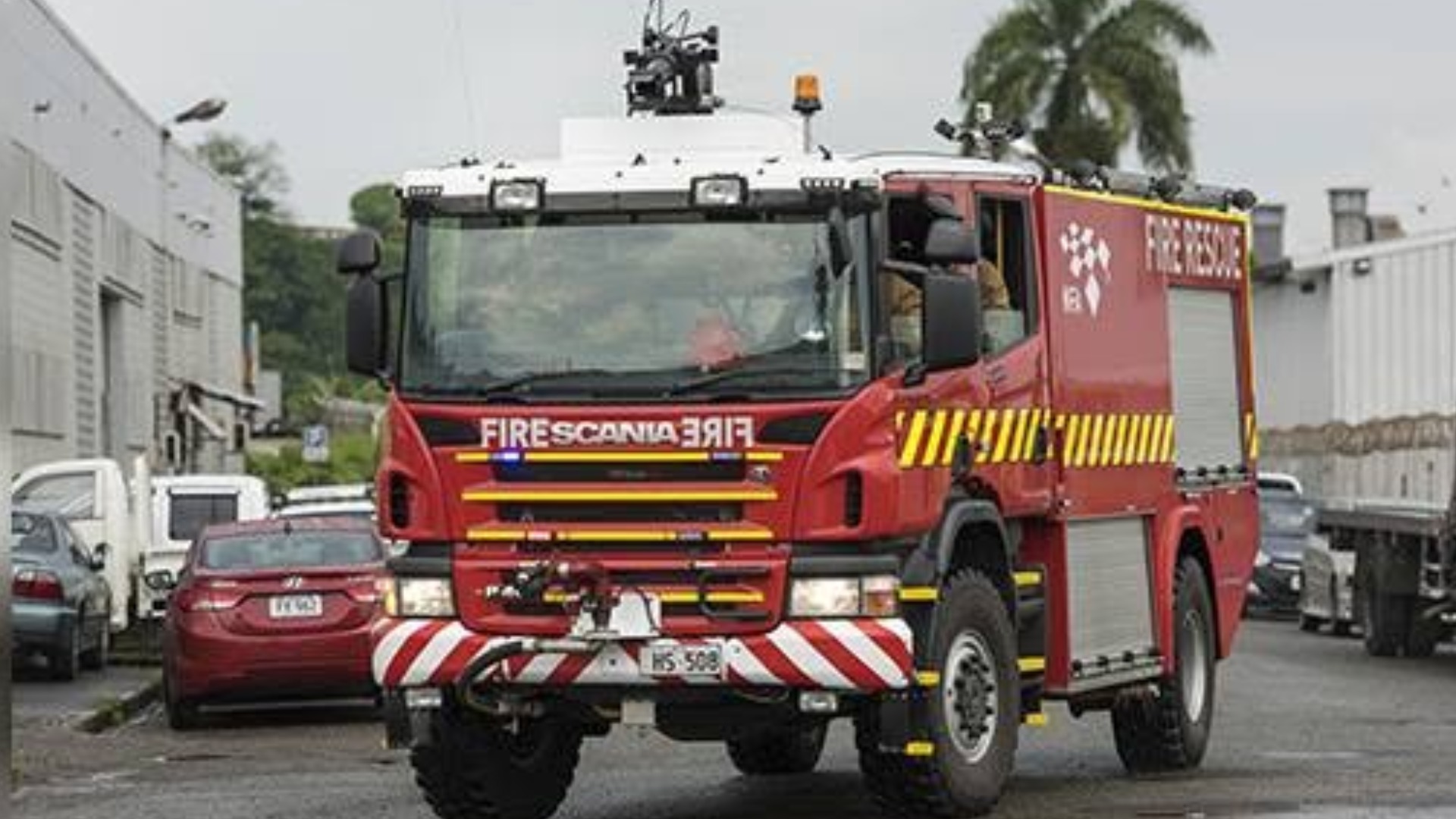
Reduced water pressure in some fire hydrants, drying creeks and wells are creating additional challenges for the National Fire Authority in responding to bush fires, with the Authority prioritising the protection of homes, buildings and other facilities threatened by spreading fires.
Responding to questions from fijivillage News, NFA Chief Executive Officer Puamau Sowane says while the Authority has the capability to respond to and fight bush fires to some extent, its operational priority during such incidents is to position firefighting resources on standby to protect homes, buildings and other facilities directly threatened by fire spillovers from surrounding bush and grass fires.
Sowane says this approach is aimed at safeguarding lives, preventing fires from spreading to residential and commercial properties and minimising damage to critical infrastructure.
He says NFA fire appliances carry onboard water supplies, however, firefighting operations also depend on alternative water sources, including fire hydrants, creeks and wells.
Sowane says reduced water pressure in fire hydrants in some areas, coupled with drying creeks and wells, has created additional challenges for firefighters in accessing sufficient water to sustain effective firefighting operations.
He says this situation places additional pressure on NFA’s operational capacity, particularly when responding to incidents where homes and properties are threatened by nearby bush and grass fires.
Sowane says restricted road access, prolonged dry conditions and limited water availability can further complicate firefighting operations.
To strengthen its response capacity during widespread fire incidents, he says NFA has put contingency measures in place, including mobilising resources from neighbouring fire stations to support affected areas.
Sowane says NFA is also working closely with the Water Authority of Fiji to facilitate water supply support during major fire incidents.
He says fire stations are liaising with relevant stakeholders, particularly those with water tankers, to provide assistance during emergency operations.
Stations are also identifying alternative water collection points and continuously monitoring available water levels to support preparedness and ensure resources are strategically positioned when required.
Sowane says cooperation among relevant stakeholders is important to ensure available water resources can be accessed and utilised effectively during emergencies.
Meanwhile, between August and October this year, NFA responded to 1,233 bush fire incidents.
He says even a small fire can quickly spread through dry grass, bushes and vegetation, particularly under hot and windy conditions, creating a serious threat to surrounding homes and communities.
Sowane is urging members of the public to completely refrain from lighting fires near dry vegetation, grasslands, bushes and other areas where fires can easily spread.
He says every individual has a responsibility to protect their families, neighbours, properties and the wider community, warning that a small fire, if left unattended or poorly managed, can quickly escalate into a major emergency threatening lives, homes and livelihoods.
Sowane stresses that preventing bush fires through responsible community practices remains the most effective way to minimise risks and protect lives and properties.
He is calling on communities to remain vigilant, avoid unnecessary burning and immediately report any fire incidents by calling the NFA Emergency Line on 910.
