The safety of Fiji's children must come before racial differences and political disagreements, with Great Council of Chiefs member Ro Naulu Mataitini calling on traditional leaders and communities to work together to protect children from abuse, violence and neglect.
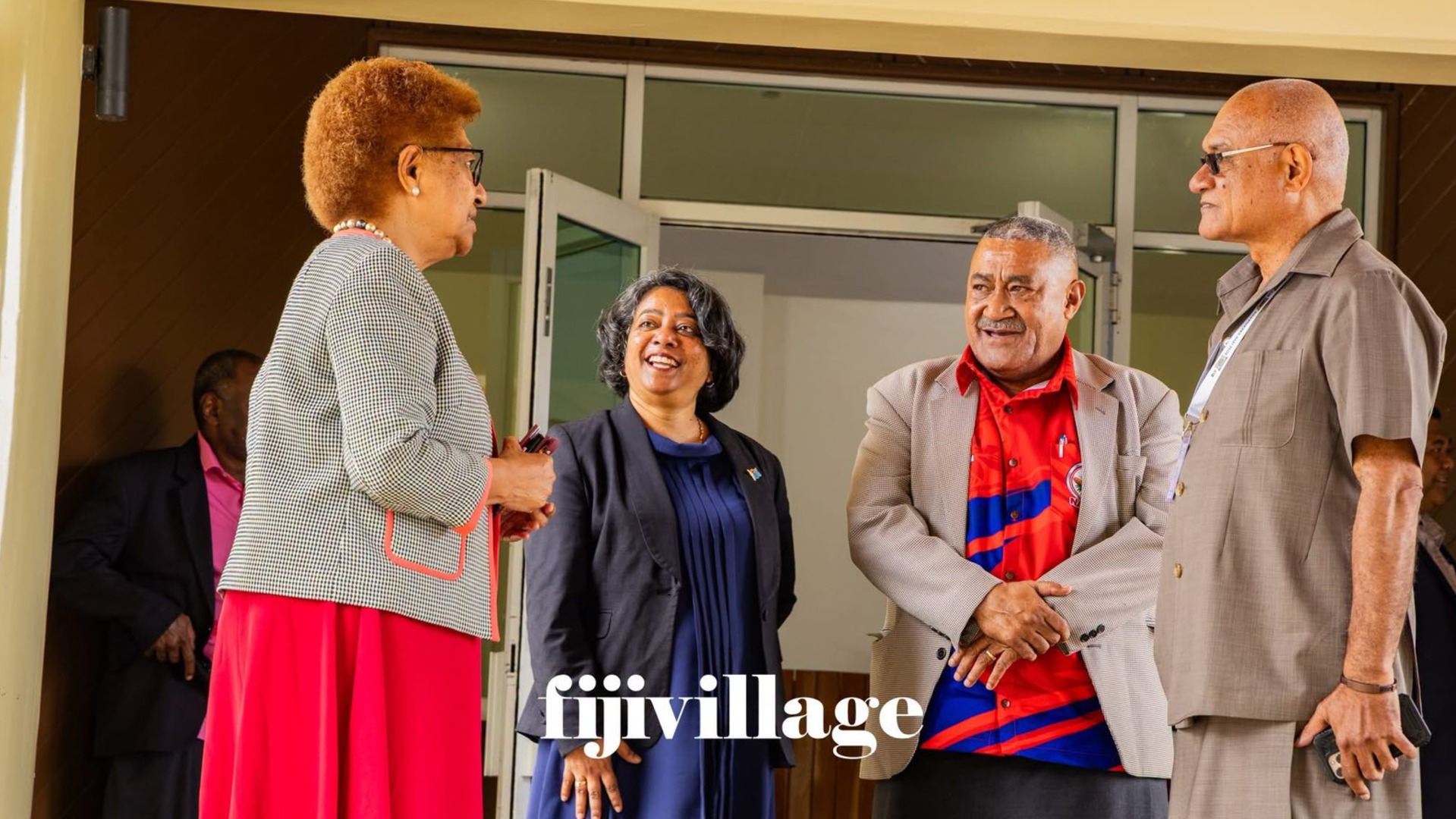
Ro Naulu made the comments in a personal statement following social media criticism of Minister for Women, Children, Social Protection and Cohesion Sashi Kiran's address to the Great Council of Chiefs on Thursday.
He says some people questioned why an Indo-Fijian woman was allowed to address the Council, while others claimed she did not represent them.
However, Ro Naulu says the focus should be on the serious issues Kiran raised, including child sexual abuse, violence, drugs, neglect and the long-term effects of childhood trauma.
He stresses that these problems affect children from all communities, regardless of their race or background.
Ro Naulu says a child who suffers abuse does not experience pain differently because of their ethnicity.
He says it is concerning that some people appear more focused on the platform from which Kiran delivered her message than on the suffering of the children she spoke about.
Ro Naulu says traditional leaders have an important responsibility to protect children because their influence extends to villages, districts and communities across Fiji.
He says while laws, police and social workers play important roles, changing attitudes and behaviour also requires the involvement of families, churches and traditional leaders.
Ro Naulu stresses that chiefs must ensure traditional customs are never used to shield people accused of child abuse.
He says traditional reconciliation must not interfere with police investigations or prevent victims from speaking out, adding that a traditional apology does not remove a person's responsibility under the law.
He is calling for stronger child protection measures in village by-laws, improved reporting systems and greater support for vulnerable parents.
Ro Naulu says chiefs must help create communities where children feel safe to speak out and where those responsible for abuse cannot use their status or family connections to avoid accountability.
He also defended Kiran's engagement with the Great Council of Chiefs, saying she has a responsibility to protect all women and children in Fiji, regardless of ethnicity.
Ro Naulu says working with traditional leaders does not mean a person has to give up their identity, beliefs or right to criticise an institution.
He acknowledges that both iTaukei and Indo-Fijian communities have experienced historical injustices but says these should not prevent people from working together to address issues affecting Fiji today.
Ro Naulu says Fiji cannot continue calling for unity while criticising those making an effort to bring communities together.
He stresses that protecting children should be one issue on which all communities can agree.
He is urging traditional leaders and those who criticised Kiran to reflect on whether their actions are helping protect Fiji's children or continuing divisions between communities.
He says children deserve better than to inherit the divisions of previous generations and the failure of adults to work together to protect them.