The proposed 2026 Constitution could face the same criticism as the 2013 Constitution if it is rushed through without sufficient time for consultation and review.
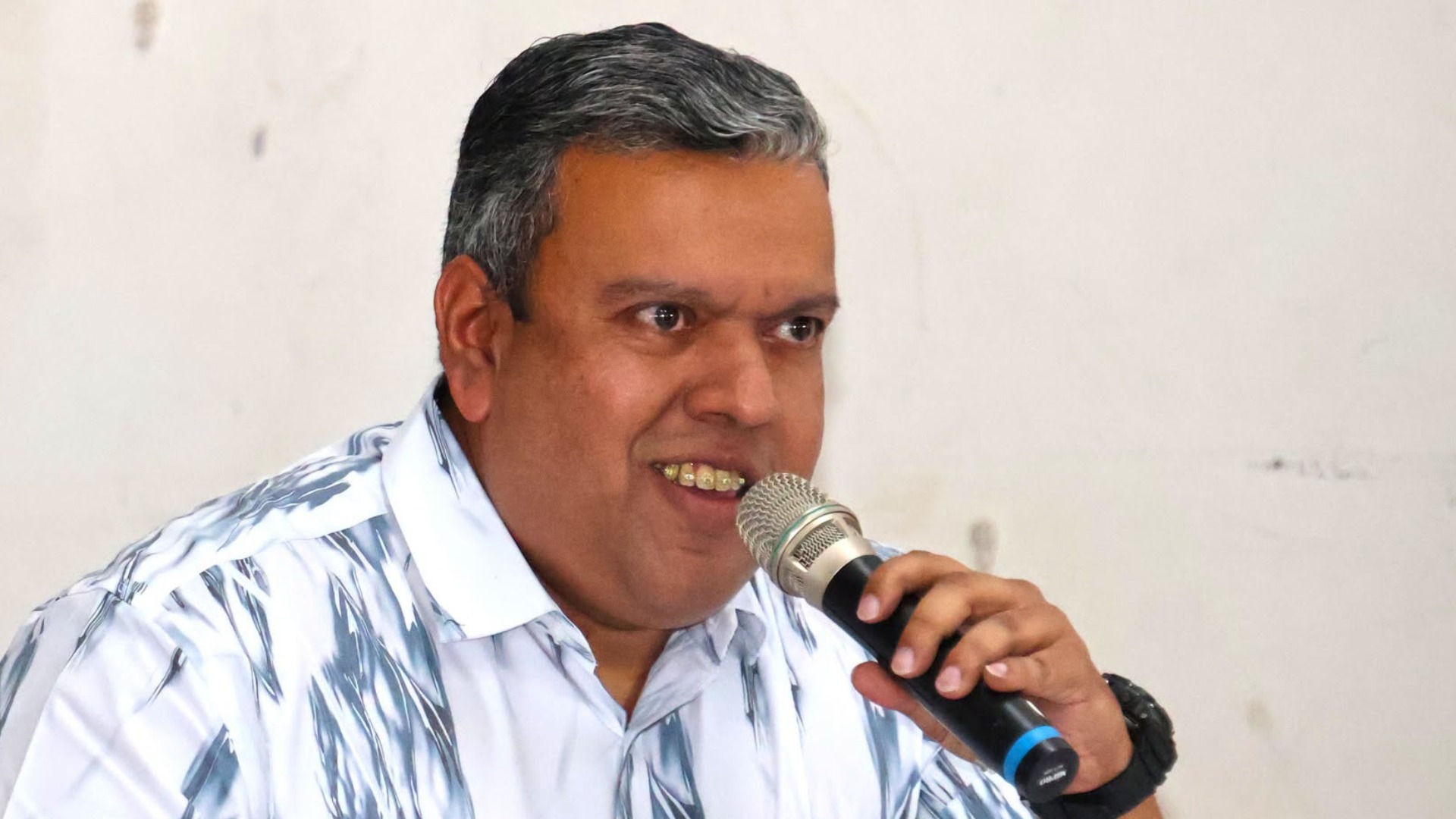
Former FijiFirst Minister and Ba lawyer Ashneel Sudhakar has raised this concern while making a submission to the Joint Committee on the Constitution (Amendment) Bill 2026 at the Ba Market Bure today.
Sudhakar has questioned why the Government is rushing the process, saying more time is needed to review the draft, explain its provisions to the public and allow people to make informed decisions.
He says one of the major problems that people had with the 2013 Constitution was that it was very rushed and one or two people just made this Constitution.
Sudhakar asks are we not doing the same thing with the Bill, adding that we might end up with a similar document that will need to be reviewed after a few years.
He further says he has no personal objection to recognising Christianity, given that it is followed by the majority of the population.
However, he says this will be in conflict with Section 4 and Section 25 of the Constitution, which do speak of religious freedom.
He also questioned whether the inclusion of Christianity could create risks for religious minorities under future governments.
Sudhakar says the Chair of the Committee Prime Minister Sitiveni Rabuka is a noble leader and in his time, we won't see persecution, but tomorrow, some other leader who comes into power, who is not as noble as the Prime Minister, might use the same sections to persecute the minorities.
He says if Christianity is to be recognised in the Constitution, the relevant provisions on religious freedom needs to be adjusted to ensure they are consistent.
The lawyer further says there needs to be a clear distinction between identifying the indigenous iTaukei people and describing the citizenship of all people who hold Fijian nationality.
He says the term 'Fijian' should be reserved for indigenous people when referring to ethnicity, while all citizens should be recognised as Fijian in their passports, adding we cannot steal the Fijian reference to the indigenous race of this country.
He has also highlighted that in all the constitutions, there has been a lot of reference and sympathy for the people who are incarcerated, people who have been charged by the police, and people who are in custody.
Sudhakar says many people have to lock themselves in their homes by 6pm and stay behind bars to protect themselves from break-ins, thefts and robberies.
He suggests that the Bill of Rights should include provisions for compensation for victims of crime, as similar arrangements are in place in the United States and Canada.
The former Lands Minister also says that iTaukei land must remain protected, but he has also called for safeguards for State land.
He says we have seen previously that iTaukei lands have been transferred to the State and then converted to freehold, stressing that it should be stopped.
Sudhakar, however, says there should be some protection for State land and that if the 50 percent of land that is underutilised were put to use, the problems being faced could be addressed.
He has also highlighted that teaching conversational Hindi should not compromise the teaching of pure Hindi, which is important for future generations to understand Hindu religious texts.
The lawyer has also questioned the provision for 55 seats in Parliament, comprising 33 constituency seats and 22 seats allocated through a party-list system.
He says voters could directly choose candidates in the constituency seats but might not know which individuals would enter Parliament through the closed party list.
Sudhakar says the 22 members on the closed party list could enter Parliament by default, even though the public may not know who they are or may not want them in Parliament.
He has asked the Committee to clarify how the proposed system would work and whether it could diminish the democratic rights of voters.
He also raised concerns about the time required to draw constituency boundaries, saying population movements across the country could make the process lengthy.
The former Minister has also questioned why all 23 senators would be appointed, with 14 appointed by the Bose Levu Vakaturaga, six by the Prime Minister, two by the Opposition and one by the Rotuma Council.
He suggests that senators should also be elected, saying this could allow capable and educated people, including chiefs who might not be represented through existing appointment processes, to serve in the Senate.
Sudhakar has also highlighted that there are more than 100 amendments in the Constitution that will require a 'yes' or 'no' vote in a referendum, however, a person may agree with 10 of them and not agree with 90.
He suggests putting every proposed amendment to a separate referendum, adding that it would be a tedious process, but has questioned how people could reject a specific provision if they were required to vote on the entire document as a whole.
Sudhakar has also questioned that whether there is sufficient time to complete the constitutional review, draw constituency boundaries, conduct the referendum and ensure the public understood the proposed changes.
Consultations on the Bill will be held at George Shiu Raj Hall in Rakiraki from 10am to midday and at Rakiraki Village Hall in Navutulevu from 4pm to 6pm tomorrow.
Consultations will be held at Wailotua Village Hall in Wainibuka from 10am to midday and at Korovou Primary School Hall from 3pm to 5pm on Wednesday.